
California Legal Implications: Executor Liability and Estate Settlements
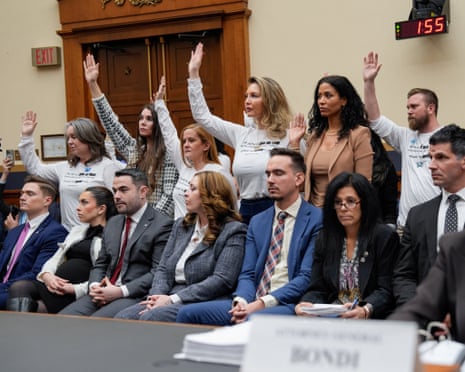
Jeffrey Epstein’s estate has agreed to pay up to $35 million to resolve a class-action lawsuit accusing the estate’s co-executors—his former lawyer and accountant—of aiding in his misconduct. According to The Guardian, the co-executors settled to achieve “finality” regarding potential claims against the estate, despite admitting no wrongdoing., the co-executors settled to achieve “finality” regarding potential claims against the estate, despite admitting no wrongdoing.
While this case involves high-profile criminal allegations, it highlights critical concepts in California probate law regarding fiduciary duties, personal liability of executors, and how estates handle complex litigation and creditor claims., personal liability of executors, and how estates handle complex litigation and creditor claims.
The Fiduciary Duties of a California Executor
In California, the person appointed to manage a decedent’s estate (the Personal Representative or Executor) acts as a fiduciary. This creates a high standard of legal responsibility. Under the California Probate Code, an executor owes a duty of loyalty and a duty of care to the estate’s beneficiaries and creditors., an executor owes a duty of loyalty and a duty of care to the estate’s beneficiaries and creditors.
The lawsuit against Epstein’s executors alleged they used the estate’s corporate structures to facilitate misconduct. In a standard California probate context, if an executor uses estate assets for personal gain, commingles funds, or assists in fraudulent activity, they can be held personally liable for breach of fiduciary duty. This means their personal assets, not just the estate’s assets, could be at risk if a court finds they acted improperly.. This means their personal assets, not just the estate’s assets, could be at risk if a court finds they acted improperly.
Creditor Claims and Tort Litigation
The victims in the Epstein case are, in legal terms, creditors with “tort claims” against the estate. In California, when a person dies, their debts do not disappear. Instead, creditors must file a claim against the estate within a specific statutory window (generally within four months of the executor’s appointment or sixty days after receiving notice).
California law distinguishes between contract debts (like credit cards) and tort claims (like personal injury or wrongful death). Complex estates often face litigation where claimants argue the decedent caused them harm. The estate is responsible for defending these actions, but as seen in this case, the executors must manage these lawsuits carefully to prevent the estate’s value from being depleted by legal fees.
Why Estates Settle Disputes
The Epstein executors stated they settled to “achieve finality.” In California probate litigation, settlement is a common tool used to preserve the estate. Protracted litigation can drain estate assets through attorney fees and court costs.
A California Trustee or Executor often performs a cost-benefit analysis. Even if they believe the estate would win at trial, the cost of fighting might exceed the cost of settling. By obtaining court approval for a settlement, an executor can resolve outstanding liabilities, allowing them to finally distribute the remaining assets to the beneficiaries and close the probate case. or Executor often performs a cost-benefit analysis. Even if they believe the estate would win at trial, the cost of fighting might exceed the cost of settling. By obtaining court approval for a settlement, an executor can resolve outstanding liabilities, allowing them to finally distribute the remaining assets to the beneficiaries and close the probate case.
About This Case
Source: Jeffrey Epstein’s estate agrees to pay up to $35m to settle survivors’ lawsuit
California Probate and Trust, PC Can Help
– Experienced California estate planning
– Schedule consultation
– Learn more: cpt.law
Legal Disclaimer
This article is for informational purposes only. Consult with a qualified California estate planning attorney for advice specific to your situation.

About the Author: Dustin MacFarlane, Esq.
California Licensed Attorney | Estate Planning Specialist
Dustin MacFarlane is the founder of California Probate and Trust, PC, with over 15 years of experience in estate planning, probate administration, and trust law. Licensed by the California State Bar, Dustin has helped thousands of California families protect their assets and plan for the future.
CA Bar License: Active | Practice Areas: Estate Planning, Probate, Trust Administration | Location: Granite Bay, CA
Why Estate Planning Matters in California
California has unique estate planning laws that differ significantly from other states. Without proper planning, your assets may not pass according to your wishes, and your family could face unnecessary probate court proceedings.
A comprehensive California estate plan typically includes:
- A revocable living trust to avoid probate
- Pour-over will as a safety net
- Advance health care directive
- Durable power of attorney for finances
- Beneficiary designations on retirement accounts and life insurance
How Trusts Work in California
California’s trust law (Probate Code Division 9) governs how trusts are created, administered, and terminated. Understanding these rules is essential for effective estate planning.
Key benefits of California trusts:
- Avoid probate: Assets in a properly funded trust bypass California’s lengthy probate process
- Privacy: Unlike wills (which become public in probate), trusts remain private
- Control: You maintain control during your lifetime and direct distribution after death
- Incapacity planning: Your successor trustee manages assets if you become incapacitated
- Tax planning: Trusts can help minimize estate and income taxes
Need Expert Estate Planning Guidance?
California estate planning law is complex and constantly evolving. Don’t navigate it alone.
California Probate and Trust, PC has helped thousands of California families protect their assets and plan for the future.
📞 Call us today:
- Main Office: 866-400-0058
- Direct: 916-963-9968