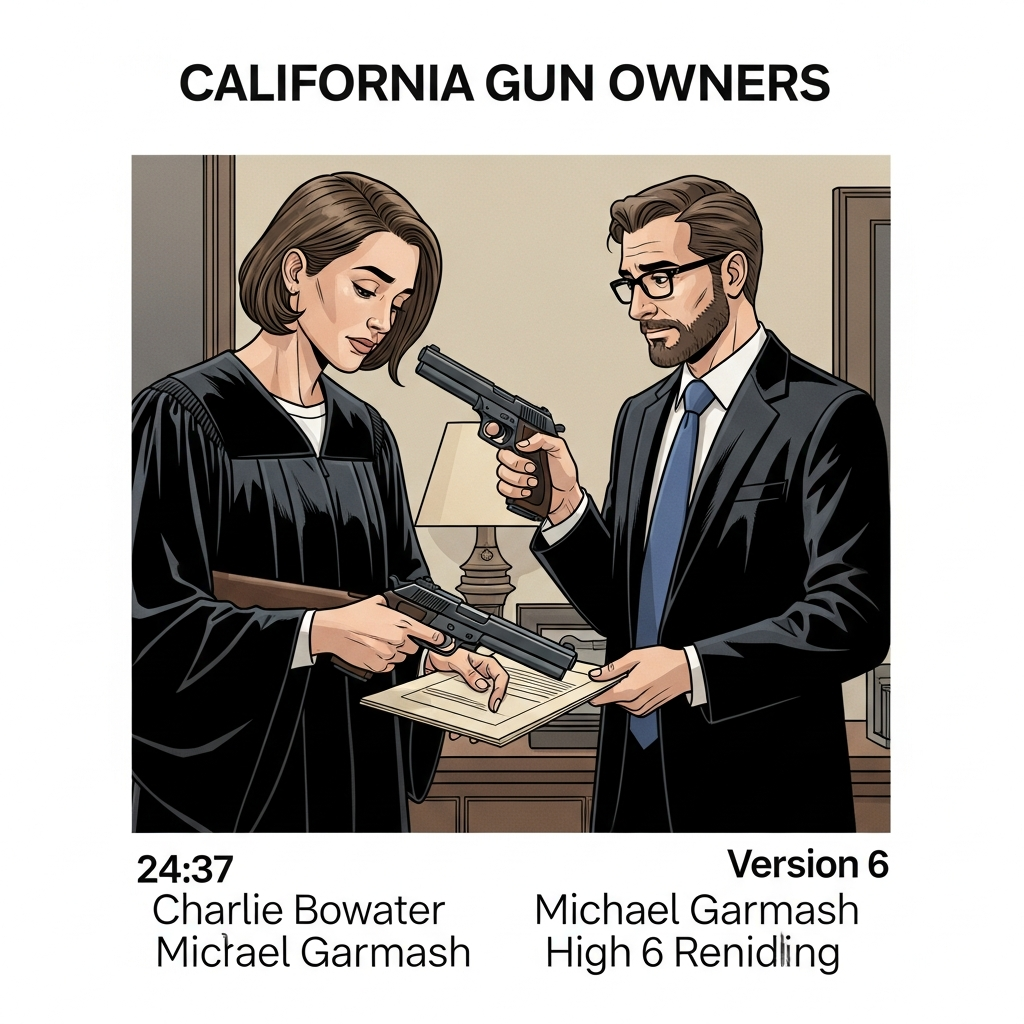
Source: Vox – Supreme Court Second Amendment Framework
Who This Article Is For
If you’re a California gun owner with firearms as part of your estate, you need to understand how changing Second Amendment laws affect your estate planning. This guide helps California residents navigate the complex intersection of gun rights, inheritance laws, and estate planning to ensure firearms transfer legally to heirs.
How the Supreme Court’s Evolving Second Amendment Framework Affects California Gun Owners
The Supreme Court’s Second Amendment framework is undergoing significant changes, creating uncertainty for California gun owners planning their estates. Recent cases including Bruen, Wolford, and Lopez have reshaped how courts evaluate gun regulations, with direct implications for firearm inheritance and estate planning.
What’s Changing in Second Amendment Law
1. The Historical Test Standard from Bruen
Courts must now apply historical analysis to gun regulationsModern restrictions must have analogous historical precedentsCreates unpredictability in how regulations will be evaluated2. State vs. Federal Conflicts
California maintains some of the nation’s strictest gun lawsFederal court decisions may conflict with California regulationsEstate planning must navigate both jurisdictions3. Implications for Firearms as Assets
Guns are valuable property that must pass through estatesCalifornia’s strict transfer requirements remain in effectFailure to properly plan can result in illegal transfers or forfeitureWhy California Gun Owners Need Specialized Estate Planning
California has unique firearm transfer laws that make estate planning critical for gun owners. Without proper planning, your firearms could:
Be seized by law enforcementForce heirs to surrender legally-owned weaponsCreate criminal liability for family membersResult in valuable collections being sold below market valueReal-World Case Study: The $50,000 Gun Collection Problem
John, a Sacramento collector, passed away with 30 firearms valued at $50,000. Without estate planning:
His son inherited the firearms through probateSeveral were California-banned “assault weapons” grandfathered under old lawThe son couldn’t legally register them under current California lawLocal police required surrender or removal from California within 30 daysThe collection’s value was lost due to forced quick-sale conditionsWith proper estate planning:
Firearms trust established during John’s lifetimeDesignated successor trustees authorized to possess firearmsClear transfer instructions meeting California legal requirementsTime to properly document, register, and transfer or sell firearmsPreserved $50,000 in asset value for heirsEssential Estate Planning Strategies for California Gun Owners
How to ensure your firearms transfer legally to your heirs:
1. Gun Trust (NFA Trust)
What it is: A specialized trust designed to hold firearms
Benefits for California residents:
Multiple authorized users during your lifetimeSmooth transfer avoiding probate delaysClear succession plan for trusteesCompliance with both state and federal regulationsBest for:
Collections with NFA items (suppressors, short-barreled rifles)Multiple family members who use firearmsValuable collections requiring professional management2. Enhanced Estate Plan with Firearm Provisions
Critical components California gun owners need:
Will with Specific Firearm Bequests
Identify each firearm by make, model, serial numberDesignate specific heirs for specific weaponsInclude instructions for California-compliant transfersNominate executor familiar with firearm lawsCalifornia Firearm Transfer Requirements
All transfers must go through licensed California dealer (with limited family exceptions)10-day waiting period applies to inherited firearmsBackground checks required for heirsRegistration with California DOJ within specified timeframeExecutor Guidelines
Detailed instructions for securing firearms during probateList of California-compliant dealers for transfersGuidance on banned weapons that cannot transferDocumentation proving lawful ownership and grandfathered status3. Digital Inventory and Documentation
Create a comprehensive firearm inventory including:
Photographs of each firearmSerial numbers and purchase documentationProof of California registration (if applicable)Purchase receipts establishing grandfathered statusAppraisals for valuable or collectible itemsStorage location and access instructionsCalifornia-Specific Firearms Transfer Rules
What California gun owners must know about firearm inheritance:
Immediate Family Exemptions (Limited)
Exempt from dealer transfer requirement:
Parent to child transfers (in some circumstances)Grandparent to grandchild transfers (in some circumstances)Still requires registration with California DOJImportant limitations:
Does not exempt banned “assault weapons”Does not exempt heirs from background check eligibilityFailure to register is a criminal offenseProbate Complications for Firearms
California probate creates unique challenges:
Extended timeline (12-18 months) for transferring firearmsExecutor may need special authorization to possess firearmsRisk of theft or improper handling during probatePublic record disclosure of firearm ownershipAbout the Author: Dustin MacFarlane, Esq.
California Licensed Attorney | Estate Planning Specialist
Dustin MacFarlane is the founder of California Probate and Trust, PC, with over 15 years of experience in estate planning, probate administration, and trust law. Licensed by the California State Bar, Dustin has helped thousands of California families protect their assets and plan for the future.
CA Bar License: Active | Practice Areas: Estate Planning, Probate, Trust Administration | Location: Granite Bay, CA