
California Legal Implications: Protecting Estates from Elder Abuse and Litigation
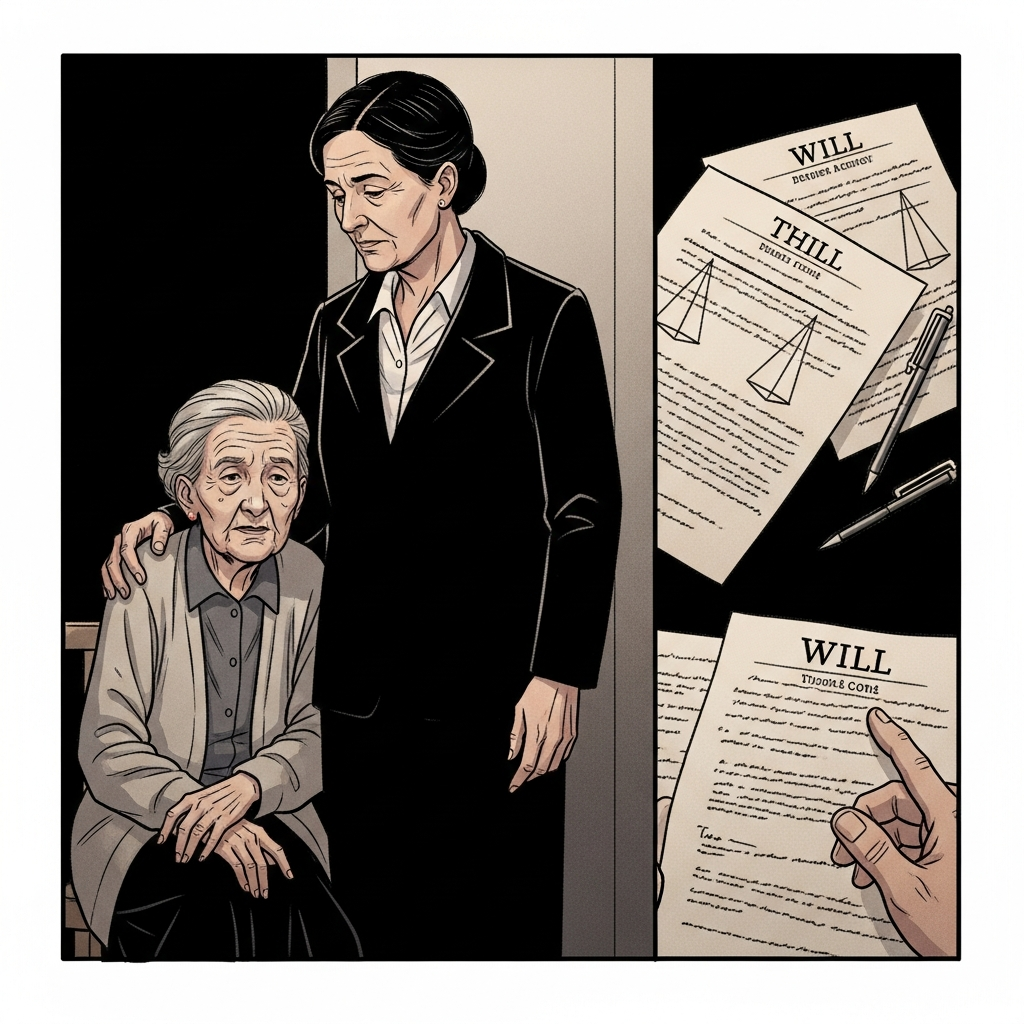
In the complex landscape of California estate law, family disputes often lead to protracted litigation, particularly when allegations of elder abuse or financial misappropriation arise. A recent appellate decision, *Chui v. Chui*, highlights the critical intersection of settlement agreements, the rights of minors, and the statutory limitations placed on abusive beneficiaries under California Probate Code Section 259..
According to the court opinion, the Chui family became embroiled in litigation concerning a trust with significant assets. The dispute involved accusations against a beneficiary, Christine Chui, regarding the misappropriation of trust assets and elder abuse against the trustor. Although a settlement was reached orally in court, Christine later attempted to repudiate the agreement. The court ultimately enforced the settlement and clarified the application of Probate Code Section 259., the Chui family became embroiled in litigation concerning a trust with significant assets. The dispute involved accusations against a beneficiary, Christine Chui, regarding the misappropriation of trust assets and elder abuse against the trustor. Although a settlement was reached orally in court, Christine later attempted to repudiate the agreement. The court ultimately enforced the settlement and clarified the application of Probate Code Section 259.
The Impact of Elder Abuse on Inheritance
One of the most powerful protections in California probate law is Probate Code Section 259. This statute is designed to prevent bad actors from profiting from their misconduct. Specifically, if a person is found liable for physical abuse, neglect, or financial abuse of a decedent, they may be restricted from receiving their share of the estate.. This statute is designed to prevent bad actors from profiting from their misconduct. Specifically, if a person is found liable for physical abuse, neglect, or financial abuse of a decedent, they may be restricted from receiving their share of the estate.
The statute operates by deeming the abuser to have “predeceased” the decedent. However, the ruling in *Chui* clarifies the scope of this restriction. The abuser is treated as having predeceased the decedent *only* to the extent that they would have been entitled to receive damages and costs they are liable to pay the estate. Essentially, an abuser cannot use their inheritance to pay off the debt they owe the estate for their abuse.
It is important to note that while this statute limits what the abuser receives, it does not rewrite the trust to expand the rights of other beneficiaries or create new rules for interpreting the trust document.
Enforcing Settlement Agreements
Trust litigation often concludes with a settlement rather than a trial. In California, when parties agree to settlement terms orally on the record in court, that agreement is generally binding and enforceable.
In the *Chui* case, the beneficiary attempted to argue that the settlement was “unconscionable” (unfair). The appellate court rejected this, noting that she was represented by counsel and had personally affirmed understanding the terms in court. This serves as a vital lesson for beneficiaries and trustees: once a settlement is placed on the record, “buyer’s remorse” is rarely sufficient grounds to overturn it.
Guardians Ad Litem: Protecting Minors
Estate disputes frequently affect minor children who are beneficiaries of a trust. Because minors cannot legally represent themselves, the court has the discretion to appoint a Guardian Ad Litem (GAL)..
A GAL is an attorney or qualified individual appointed solely to protect the interests of the minors. In this case, the court approved a settlement negotiated by the GAL even though the minors’ mother objected. This underscores that the court’s primary duty regarding minors is to safeguard their financial interests, which may sometimes diverge from the wishes of their parents.
About This Case
Source: Chui v. Chui (Probate Code 259 Limits Abuser’s Inheritance)
California Probate and Trust, PC Can Help
– Free consultations: (866)-674-1130
– Experienced California estate planning
– Schedule consultation
– Learn more: cpt.law
Legal Disclaimer
This article is for informational purposes only. Consult with a qualified California estate planning attorney for advice specific to your situation.

About the Author: Dustin MacFarlane, Esq.
California Licensed Attorney | Estate Planning Specialist
Dustin MacFarlane is the founder of California Probate and Trust, PC, with over 15 years of experience in estate planning, probate administration, and trust law. Licensed by the California State Bar, Dustin has helped thousands of California families protect their assets and plan for the future.
CA Bar License: Active | Practice Areas: Estate Planning, Probate, Trust Administration | Location: Granite Bay, CA
Why Estate Planning Matters in California
California has unique estate planning laws that differ significantly from other states. Without proper planning, your assets may not pass according to your wishes, and your family could face unnecessary probate court proceedings.
A comprehensive California estate plan typically includes:
- A revocable living trust to avoid probate
- Pour-over will as a safety net
- Advance health care directive
- Durable power of attorney for finances
- Beneficiary designations on retirement accounts and life insurance
How Trusts Work in California
California’s trust law (Probate Code Division 9) governs how trusts are created, administered, and terminated. Understanding these rules is essential for effective estate planning.
Key benefits of California trusts:
- Avoid probate: Assets in a properly funded trust bypass California’s lengthy probate process
- Privacy: Unlike wills (which become public in probate), trusts remain private
- Control: You maintain control during your lifetime and direct distribution after death
- Incapacity planning: Your successor trustee manages assets if you become incapacitated
- Tax planning: Trusts can help minimize estate and income taxes
Need Expert Estate Planning Guidance?
California estate planning law is complex and constantly evolving. Don’t navigate it alone.
California Probate and Trust, PC has helped thousands of California families protect their assets and plan for the future.
📞 Call us today:
- Main Office: 866-400-0058
- Direct: 916-963-9968