
California Legal Implications: Legislative Crackdown on DUIs and Family Preparedness
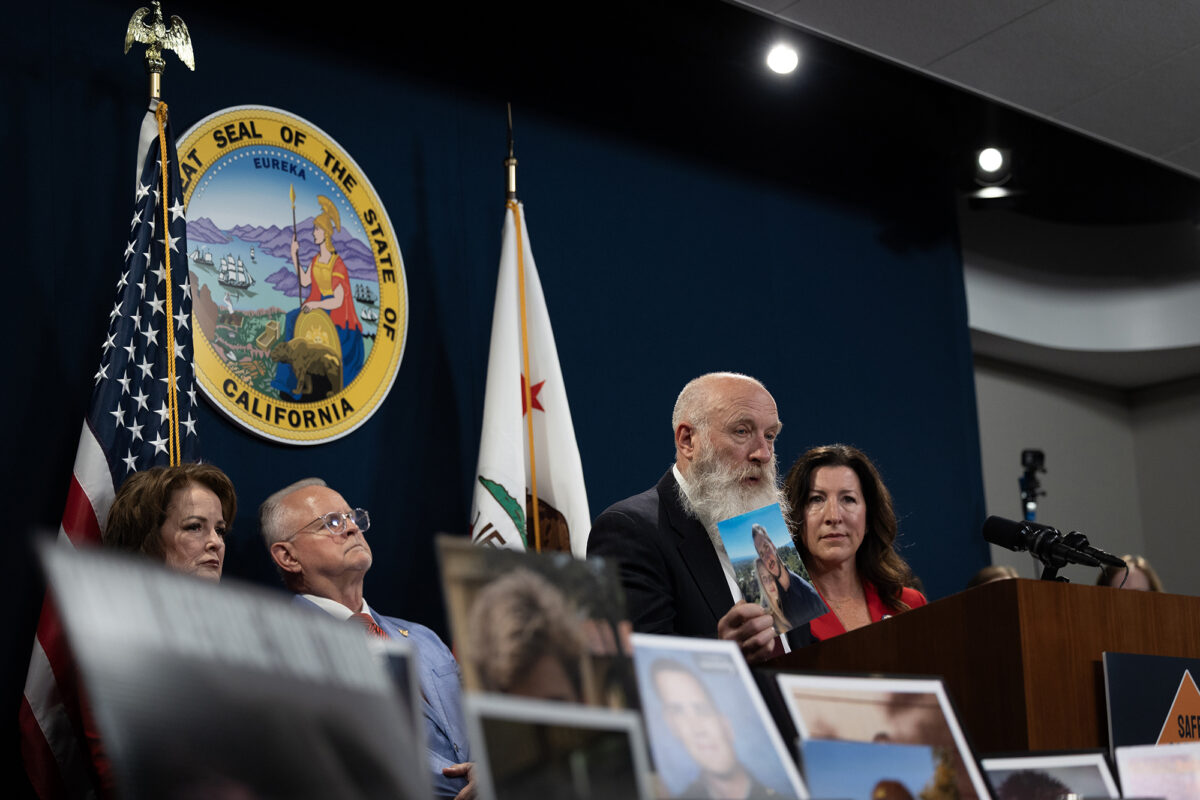
A bipartisan coalition of California state lawmakers has introduced a comprehensive package of 10 bills aimed at curbing drunk driving and reducing traffic fatalities. As detailed in a recent report by CalMatters, the proposed legislation seeks to classify vehicular manslaughter with gross negligence as a violent felony, mandate in-car breathalyzers for all DUI offenders, and increase penalties for repeat offenders. This legislative push comes in response to a 50% spike in DUI-related deaths in California over the last decade, highlighting a critical need for stricter enforcement and safer roads., the proposed legislation seeks to classify vehicular manslaughter with gross negligence as a violent felony, mandate in-car breathalyzers for all DUI offenders, and increase penalties for repeat offenders. This legislative push comes in response to a 50% spike in DUI-related deaths in California over the last decade, highlighting a critical need for stricter enforcement and safer roads.
While these laws aim to prevent tragedies, the reality of increased traffic fatalities underscores the urgent need for comprehensive estate planning. For California families, the unpredictability of road safety emphasizes why legal preparedness is not merely about asset distribution, but about protecting loved ones in the event of sudden incapacity or death.
Wrongful Death and Estate Administration
When a traffic fatality occurs due to another driver’s negligence, the victim’s family is often left navigating complex legal battles while grieving. In California, the personal representative of the deceased person’s estate is typically the individual responsible for bringing a wrongful death lawsuit.
If the victim had a Living Trust or Will, they would have already designated this representative (a Trustee or Executor). However, if the victim died “intestate” (without a Will), the family must petition the Probate Court to appoint an administrator. This public, often lengthy court process can delay the family’s ability to seek justice and compensation for their loss. Establishing a clear estate plan ensures that the person you trust is immediately empowered to take legal action on behalf of your estate and beneficiaries., they would have already designated this representative (a Trustee or Executor). However, if the victim died “intestate” (without a Will), the family must petition the Probate Court to appoint an administrator. This public, often lengthy court process can delay the family’s ability to seek justice and compensation for their loss. Establishing a clear estate plan ensures that the person you trust is immediately empowered to take legal action on behalf of your estate and beneficiaries.
Guardianship Nominations for Minor Children
The CalMatters report highlights the heartbreaking stories of families left with “empty chairs” at the table. For parents of minor children, the risk of a fatal accident makes Guardianship Nominations one of the most critical aspects of an estate plan. one of the most critical aspects of an estate plan.
If both parents are involved in a fatal accident or are incapacitated, and no guardian has been nominated in a valid Will, a judge who does not know the family will decide who raises the children. By executing a Will with clear guardianship provisions, parents retain the power to decide who will care for their children, ensuring they are raised by loved ones who share the parents’ values and parenting philosophies.
Planning for Incapacity: Powers of Attorney
Not all roadway collisions result in fatalities; many result in severe, incapacitating injuries. The proposed legislation notes the high frequency of injuries alongside deaths. If a victim is left in a coma or is otherwise unable to communicate, they cannot make medical or financial decisions for themselves.
Without an Advance Health Care Directive and a Durable Power of Attorney, family members may be forced to seek a “conservatorship” through the courts to gain the legal authority to manage the victim’s medical care and pay their bills. These documents allow California residents to appoint agents to make these decisions immediately, without court intervention, ensuring bills are paid and medical preferences are honored during recovery., family members may be forced to seek a “conservatorship” through the courts to gain the legal authority to manage the victim’s medical care and pay their bills. These documents allow California residents to appoint agents to make these decisions immediately, without court intervention, ensuring bills are paid and medical preferences are honored during recovery.
The “Watson Advisement” and Legal Liability
One of the proposed bills involves expanding “Watson advisements.” In California, this refers to a formal warning given to DUI offenders stating that driving under the influence is dangerous to human life, and if they kill someone in a future DUI, they can be charged with murder.
From a civil liability perspective, this acknowledgment of “implied malice” can have severe financial consequences. If a driver creates a liability through gross negligence or reckless behavior, their personal assets—including their home, savings, and investments—are at significant risk in civil court. While insurance provides a first line of defense, judgments in catastrophic injury or wrongful death cases often exceed policy limits. Comprehensive asset protection planning is essential for preserving a family’s financial legacy against unforeseen civil creditors.
About This Case
Source: ‘It’s time’: California leaders unveil biggest crackdown on drunk drivers in decades
California Probate and Trust, PC Can Help
– Experienced California estate planning
– Schedule consultation
– Learn more: cpt.law
Legal Disclaimer
This article is for informational purposes only. Consult with a qualified California estate planning attorney for advice specific to your situation.

About the Author: Dustin MacFarlane, Esq.
California Licensed Attorney | Estate Planning Specialist
Dustin MacFarlane is the founder of California Probate and Trust, PC, with over 15 years of experience in estate planning, probate administration, and trust law. Licensed by the California State Bar, Dustin has helped thousands of California families protect their assets and plan for the future.
CA Bar License: Active | Practice Areas: Estate Planning, Probate, Trust Administration | Location: Granite Bay, CA