
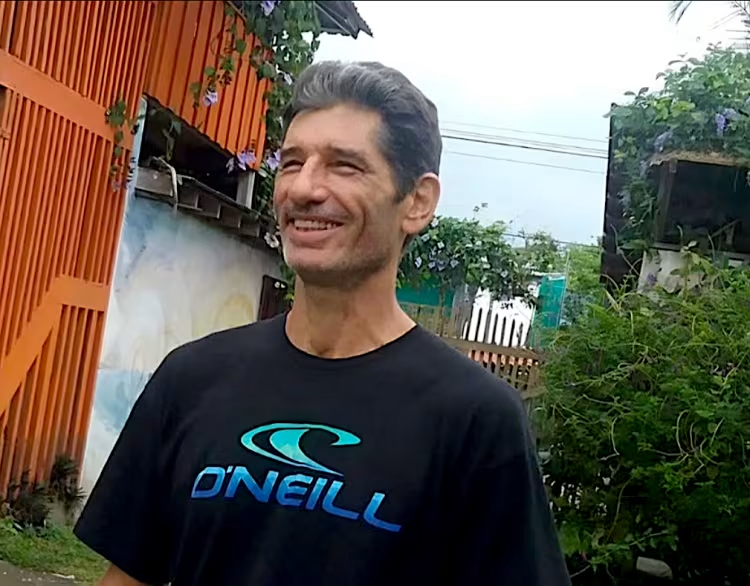
The unexpected death of California surfer Kurt Van Dyke in a Costa Rica home invasion has shocked the surfing community and raised critical questions for California families who own property abroad, travel frequently, or maintain international ties. According to Surfer Magazine, Van Dyke was killed during a violent break-in at his Costa Rican residence, leaving behind loved ones and unanswered questions about his estate, assets, and final wishes.
For California residents and those managing California-based assets, this tragedy underscores a sobering reality: if you own property internationally, travel regularly, or have family members living abroad, your estate planning needs to account for cross-border complications that most standard wills and trusts do not address.
Who This Article Is For
This article is specifically written for:
If you’re asking yourself questions like, “What happens to my Costa Rica home if I die abroad?” or “How can I make sure my family doesn’t face a legal nightmare in another country?” — this article is for you.
What Happened to Kurt Van Dyke?
Kurt Van Dyke, a well-known California surfer, was tragically murdered during a home invasion at his residence in Costa Rica. Details are still emerging, but the incident highlights the vulnerabilities that come with owning property and living part-time in foreign countries.
According to Surfer Magazine’s coverage, Van Dyke’s death has left the surfing community grieving and has brought attention to the risks faced by expatriates and frequent travelers in Central America.
Why This Matters for Your California Estate Plan
Many California families don’t realize that owning property or assets in another country complicates your estate plan significantly. Here’s why:
1. International Probate Can Be Extremely Complex
If you die owning real estate or assets in another country, your heirs may need to navigate probate in multiple jurisdictions — one in California and one (or more) abroad. This process can be:
2. Foreign Laws May Override Your California Will
A will drafted in California may not be recognized or enforceable in Costa Rica, Mexico, or other countries. Each nation has its own:
Without proper planning, your family could face conflicting legal systems and unexpected inheritance complications.
3. Your Family May Not Have Access to Critical Documents
In the chaos following an unexpected death abroad, your loved ones may struggle to locate:
This can delay the probate process and leave your family vulnerable during an already traumatic time.
How Can California Families Protect Themselves?
If you own property abroad or spend significant time outside California, here are the steps you should take to protect your family:
Step 1: Create a Comprehensive California Estate Plan
Work with an experienced California estate planning attorney to establish:
Step 2: Consult with a Local Attorney in the Country Where You Own Property
Each country has unique estate laws. You may need to:
Your California estate planning attorney can help coordinate with international counsel to ensure your plans align across borders.
Step 3: Organize and Share Critical Documents with Trusted Family Members
Make sure your loved ones know where to find:
Consider using a secure digital vault or sharing this information with your designated executor or trustee.
Step 4: Review Your Plan Regularly
Laws change, both in California and abroad. Review your estate plan every 3–5 years or after major life events, such as:
Real-World Use Case: How This Could Affect You
Scenario: You’re a California resident who purchased a beachfront home in Costa Rica for retirement. You spend 4–6 months per year there. You have a California will, but you haven’t updated your estate plan since buying the property.
What could go wrong:
How proper planning helps:
Why California Probate and Trust, PC Is the Right Choice for International Estate Planning
At California Probate and Trust, PC, we understand that California families with international ties need more than a cookie-cutter estate plan. Our experienced team offers:
We’ve helped thousands of California families navigate probate, create tailored estate plans, and protect their legacies for generations to come. Whether you’re planning for the future or managing the estate of a loved one who died abroad, we’re here to help.
Take Action Today: Protect Your Family and Your Legacy
Don’t wait until it’s too late. If you own property abroad, travel frequently, or have international ties, now is the time to review your estate plan and ensure your family is protected.
Schedule your free consultation with California Probate and Trust, PC today.
📞 Call us at (866) 674-1130
🌐 Visit cpt.law to learn more
Our compassionate, experienced estate planning attorneys are ready to help you create a plan that protects your family — no matter where life takes you.
Legal Disclaimer
This article is provided for informational purposes only and does not constitute legal advice. The information contained in this article is not intended to create, and receipt of it does not constitute, an attorney-client relationship. Estate planning laws vary by jurisdiction, and the applicability of the information in this article depends on the specific facts and circumstances of your situation. You should consult with a qualified estate planning attorney licensed in California (and in any foreign jurisdiction where you own property) before making any decisions regarding your estate plan. California Probate and Trust, PC does not guarantee any specific outcome or result based on the information provided in this article.

About the Author: Dustin MacFarlane, Esq.
California Licensed Attorney | Estate Planning Specialist
Dustin MacFarlane is the founder of California Probate and Trust, PC, with over 15 years of experience in estate planning, probate administration, and trust law. Licensed by the California State Bar, Dustin has helped thousands of California families protect their assets and plan for the future.
CA Bar License: Active | Practice Areas: Estate Planning, Probate, Trust Administration | Location: Granite Bay, CA