
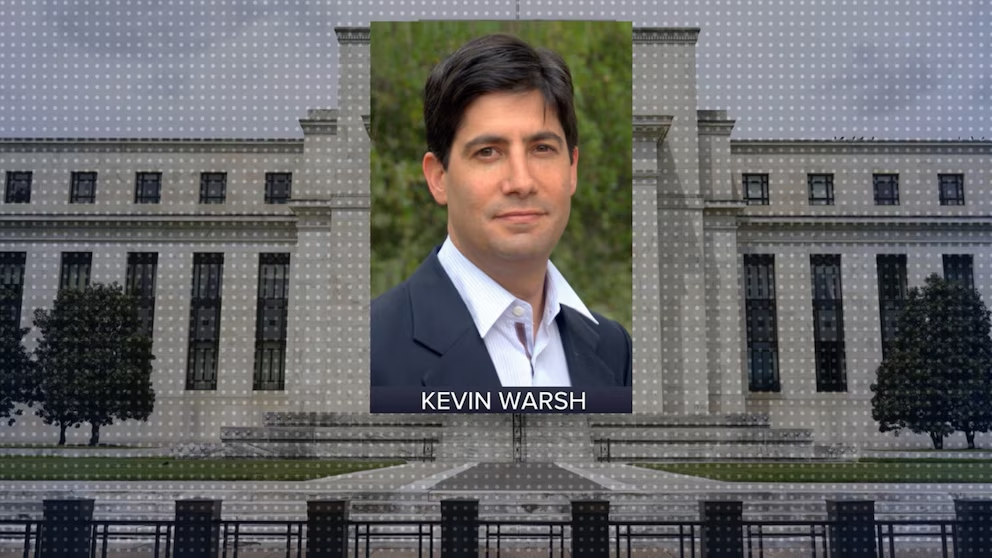
Source: Bloomberg – Here’s What You Need To Know About Trump’s Fed Chair
Who This Article Is For
If you’re a California resident managing real estate, trust assets, business interests, or long-term family wealth—and you’re wondering “How will Federal Reserve leadership changes affect my estate plan, my mortgage rates, or my family’s financial security?”—this analysis is for you. Whether you’re currently navigating probate, setting up a revocable trust, or planning for retirement and generational wealth transfer, understanding the institutional shifts at the Federal Reserve can help you make smarter, more protective decisions today.
The News: Trump Nominates Kevin Warsh as Next Fed Chair
On January 30, 2026, President Donald Trump announced the nomination of Kevin Warsh to succeed Jerome Powell as Chair of the Federal Reserve. Warsh is a 55-year-old former Fed governor who served from 2006 to 2011, giving him direct experience managing the 2008 financial crisis. Before joining the Fed, he built his career in mergers and acquisitions at Morgan Stanley and worked in the Bush White House.
Why California Families Should Pay Attention
For California residents—especially those with significant real estate holdings, trust portfolios, or business assets—Warsh’s track record signals a potentially more hawkish, Wall Street-aligned monetary policy approach. This could translate into:
What Makes Warsh Different: His Monetary Policy Philosophy
Warsh has been a vocal critic of aggressive monetary easing and ultra-low interest rates. In 2011, he was the only Federal Reserve official to vote against a $600 billion Treasury bond purchase program, warning it could fuel inflation. He has consistently argued that the Fed’s tools have been “malfunctioning” and too accommodative.
This creates a built-in tension: President Trump has publicly pushed for faster and deeper rate cuts to boost economic growth, while Warsh’s historical record shows skepticism toward emergency-style easing and large-scale asset purchases.
The Independence Question: Why It Matters for Your Financial Security
Trump announced Warsh’s nomination via social media and has stated he believes his “voice should be heard” in interest rate decisions. The nomination comes amid a Justice Department subpoena to current Chair Jerome Powell—which Powell called a “pretext” to pressure the Fed into easier policy.
Several senators, including some Republicans, have threatened to slow-walk or block Trump’s Fed nominees until the Powell investigation is resolved, making Warsh’s confirmation potentially contentious.
What does Fed independence mean for you?
A Federal Reserve perceived as politically influenced—rather than data-driven—can lead to:
How This Affects California Real Estate and Housing
California’s high-cost coastal housing markets are especially sensitive to mortgage rate changes. A Fed chair perceived as more hawkish—or less willing to rescue markets through asset purchases during downturns—could mean:
Real-world example: If you’re planning to purchase or refinance California real estate in 2026-2027, lenders may price in higher uncertainty premiums due to questions about Fed predictability—meaning you could face higher rates than the Fed’s policy rate alone would suggest.
Impact on California Municipal Bonds and State Finance
California’s sizable municipal bond market depends on national demand for safe, long-duration assets. If markets begin pricing a less predictable or more politicized Fed, long-end yields on state and local bonds could rise even without large moves in the overnight rate.
What this means for public finance and investors:
Implications for California Tech, Venture Capital, and Business Liquidity
Warsh’s crisis-era background and skepticism of unconventional monetary easing suggest he may be less inclined to run extraordinarily aggressive Fed facilities to backstop markets in future downturns.
For California’s tech and venture ecosystem, this raises the importance of:
Consumer and Small Business Credit Considerations
A Fed facing open political pressure and credibility questions can see its policy signals diluted, with credit spreads doing more adjustment work than the policy rate alone.
For California consumers and small businesses, expect:
Legal and Estate Planning Angles for California Families
1. Regulatory and Litigation Risk
If the Powell investigation and Warsh confirmation fight deepen perceptions that the Fed is politically pressured, future regulatory actions in bank supervision and liquidity support may be challenged as politically motivated, inviting more litigation and congressional oversight battles.
California-based financial institutions and fintechs that depend on Federal Reserve services should plan for slower, more contested rulemaking and a higher likelihood that major supervisory shifts become litigation targets.
2. Drafting and Risk Allocation in Private Transactions
The Warsh appointment should be integrated into client counseling in several practical ways:
How to Protect Your Family’s Financial Future
Questions California families should ask their estate planning attorney:
Why This Matters for Your Estate Plan Today
Estate planning isn’t just about wills and trusts—it’s about protecting your family’s financial security against institutional and economic shifts that can erode wealth over time. The Warsh nomination is a signal that monetary policy may become more volatile and less predictable, which directly affects:
Take Action: Protect Your California Estate with Expert Guidance
At California Probate and Trust, PC, we help California families navigate complex legal and financial environments—from simple wills to sophisticated trust structures designed to protect multi-generational wealth. Our experienced estate planning attorneys understand how macroeconomic shifts affect your long-term security, and we build plans that anticipate uncertainty and protect what matters most.
Schedule your free consultation today to review your estate plan in light of changing Fed policy, interest rate risk, and California-specific estate considerations. Whether you’re creating your first trust, updating an existing plan, or navigating probate, we’re here to provide transparent, compassionate, and expert guidance.
Contact us:
Legal Disclaimer
This article is provided for informational purposes only and does not constitute legal, financial, or investment advice. The information contained herein is based on publicly available sources and general legal principles as of January 30, 2026. Federal Reserve policy, interest rates, and economic conditions are subject to change, and any forward-looking statements should not be relied upon as predictions of future events. Every estate planning and financial situation is unique, and readers should consult with qualified legal and financial professionals before making decisions based on this information. California Probate and Trust, PC does not guarantee any particular outcome and makes no representations or warranties regarding the accuracy, completeness, or timeliness of the information presented. Transmission of information from this article does not create an attorney-client relationship. For specific legal advice tailored to your circumstances, please contact a licensed California estate planning attorney.

About the Author: Dustin MacFarlane, Esq.
California Licensed Attorney | Estate Planning Specialist
Dustin MacFarlane is the founder of California Probate and Trust, PC, with over 15 years of experience in estate planning, probate administration, and trust law. Licensed by the California State Bar, Dustin has helped thousands of California families protect their assets and plan for the future.
CA Bar License: Active | Practice Areas: Estate Planning, Probate, Trust Administration | Location: Granite Bay, CA