
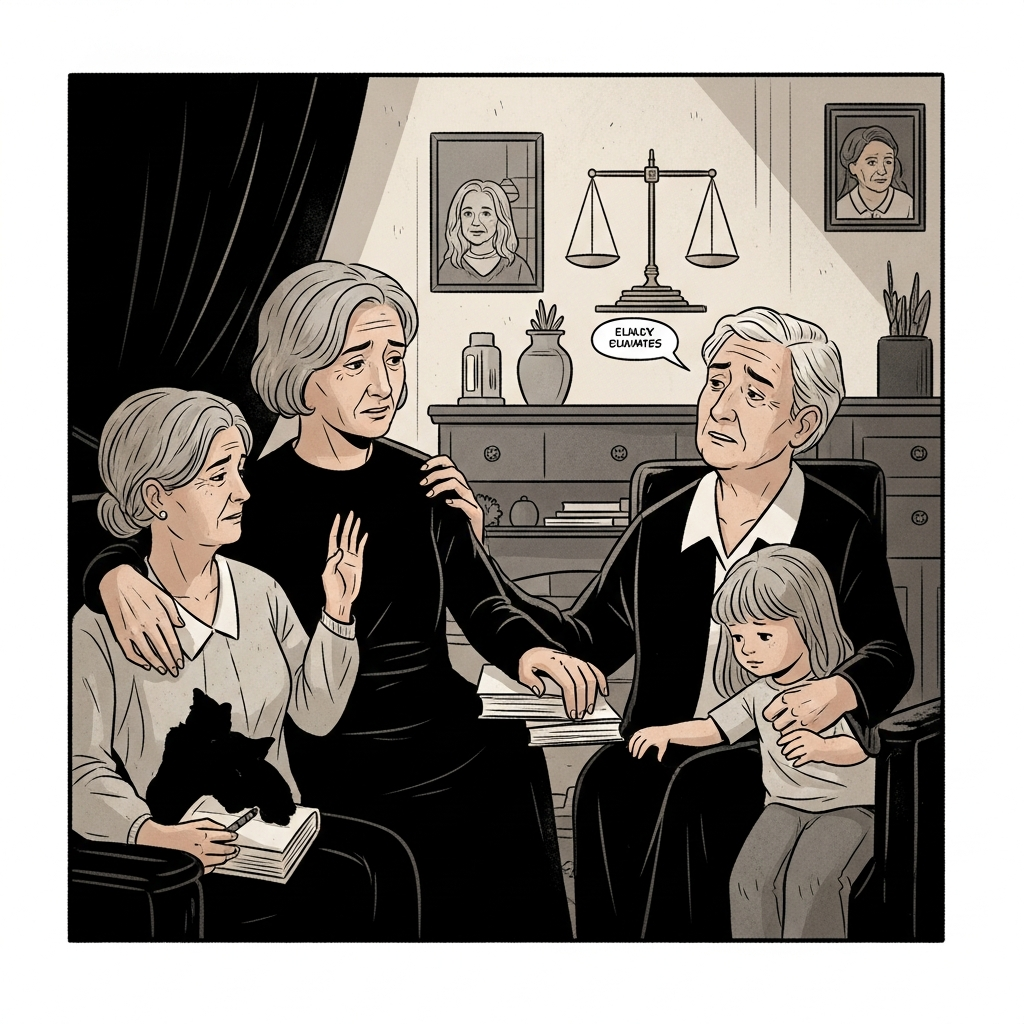
Elder Abuse Act demands both a high level of culpability and sufficiently detailed allegations demonstrating it.
Source: California Lawyers Association – Doe v. Kachru
What California Families Need to Know About Doe v. Kachru: Understanding Elder Abuse Claims in Estate Disputes
If you’re managing the estate of an elderly family member in California and suspect financial abuse or neglect, understanding recent case law is critical. The December 2025 ruling in Doe v. Kachru (2025) 115 Cal.App.5th 175clarifies exactly what you need to prove when filing an elder abuse claim—and why general allegations won’t be enough.
Who This Matters For
This case is essential reading for California residents who are:
The Core Legal Principle: High Culpability + Specific Allegations
The California Court of Appeal made clear that bringing an elder abuse claim under the Elder Abuse and Dependent Adult Civil Protection Act requires two essential elements:
What This Means in Practice
Consider this real-world scenario: An elderly parent’s financial advisor transfers significant assets without proper documentation or consent. To successfully pursue an elder abuse claim, you would need to provide:
Why Vague Allegations Fail
The Doe v. Kachru rulingreinforces that California courts will dismiss elder abuse claims that rely on conclusory statements. Saying someone “took advantage of” or “exploited” an elderly person without backing it up with concrete facts won’t survive a demurrer or motion to dismiss.
How to Protect Your Elder Abuse Claim
If you’re considering legal action to protect an elderly family member’s estate, take these steps:
The Stakes for California Families
Elder abuse cases often involve enhanced remedies, including attorney fees and double damages. However, the higher burden of proof means that families must be prepared to build a comprehensive evidentiary record from the outset. A rushed or poorly documented claim can be dismissed before you ever get to present your evidence.
Get Experienced Legal Guidance
If you’re facing potential elder abuse issues in a California estate or trust matter, the attorneys at California Probate and Trust, PC can help you understand your options. We work with families throughout California to protect vulnerable loved ones and preserve family legacies through strategic estate planning and trust administration.
Our team takes a transparency-first approach, helping you understand both the legal requirements and the practical steps needed to build a strong case. Whether you’re dealing with ongoing probate litigation or want to put protections in place before problems arise, we offer a free consultation to assess your situation and outline your path forward.
Schedule Your Free Consultation
Don’t wait until it’s too late to protect your family. Contact California Probate and Trust, PC today for a no-obligation consultation about elder abuse claims, trust disputes, or comprehensive estate planning that safeguards your loved ones.
Source: California Lawyers Association – Doe v. Kachru

About the Author: Dustin MacFarlane, Esq.
California Licensed Attorney | Estate Planning Specialist
Dustin MacFarlane is the founder of California Probate and Trust, PC, with over 15 years of experience in estate planning, probate administration, and trust law. Licensed by the California State Bar, Dustin has helped thousands of California families protect their assets and plan for the future.
CA Bar License: Active | Practice Areas: Estate Planning, Probate, Trust Administration | Location: Granite Bay, CA
Why Estate Planning Matters in California
California has unique estate planning laws that differ significantly from other states. Without proper planning, your assets may not pass according to your wishes, and your family could face unnecessary probate court proceedings.
A comprehensive California estate plan typically includes:
- A revocable living trust to avoid probate
- Pour-over will as a safety net
- Advance health care directive
- Durable power of attorney for finances
- Beneficiary designations on retirement accounts and life insurance
How Trusts Work in California
California’s trust law (Probate Code Division 9) governs how trusts are created, administered, and terminated. Understanding these rules is essential for effective estate planning.
Key benefits of California trusts:
- Avoid probate: Assets in a properly funded trust bypass California’s lengthy probate process
- Privacy: Unlike wills (which become public in probate), trusts remain private
- Control: You maintain control during your lifetime and direct distribution after death
- Incapacity planning: Your successor trustee manages assets if you become incapacitated
- Tax planning: Trusts can help minimize estate and income taxes
Need Expert Estate Planning Guidance?
California estate planning law is complex and constantly evolving. Don’t navigate it alone.
California Probate and Trust, PC has helped thousands of California families protect their assets and plan for the future.
📞 Call us today:
- Main Office: 866-400-0058
- Direct: 916-963-9968