
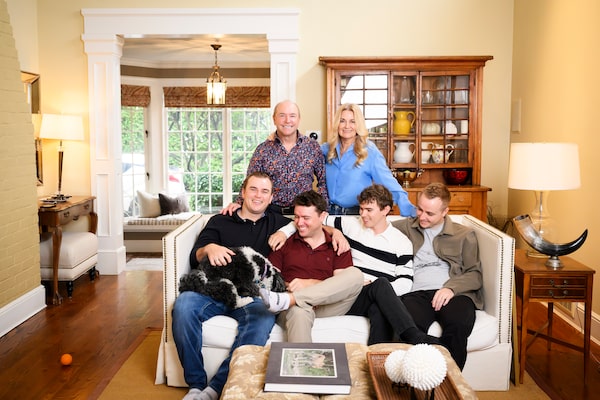
For California residents navigating the evolving landscape of multi-generational living and estate planning
Source: The Globe and Mail – “They planned to downsize in retirement. Then their kids moved back home”
Is Your Retirement Plan Accounting for Adult Children at Home?
If you’re a California resident preparing for retirement or already retired, you may be facing a reality your parents never anticipated: adult children who need to move back home—or who never left in the first place. This growing trend is fundamentally changing how families approach estate planning, asset transfers, and retirement financial strategies.
According to a 2025 Fidelity Investments report, 17% of Canadian retirees have allowed non-student adult children to live with them for free or at reduced rent during retirement. While this data comes from Canada, California families are experiencing similar pressures due to high housing costs, challenging job markets, and increased living expenses.
Why This Matters for Your Estate Plan
Traditional retirement planning assumes you’ll downsize your family home, convert the equity into retirement income or investments, and enjoy travel and leisure during your “golden years.” But what happens when your adult children need housing support?
Real-world scenarios affecting California families:
What Financial Experts Say About This Shift
Shannon Lee Simmons, a financial planner and founder of the New School of Finance, notes that this trend is impacting retirees during “the first 10 years of their retirement. Those are the ones where you’re, quote, supposed to travel while you’re young and healthy.”
The key insight: “This is done out of love, not frustration. But people are expecting to have the most amount of freedom and flexibility in doing all the things, and there’s an adjustment of expectations.”
How Can I Adjust My Estate Plan for Multi-Generational Living?
If you’re a California resident facing this reality, consider these strategic planning adjustments:
1. Reassess Your Timeline for Downsizing
2. Establish Clear Financial Arrangements
Financial planners recommend addressing the rent question directly. Leslie Logan, senior financial planner with TD Wealth, suggests charging rent can offset higher household costs like groceries and utilities. Consider:
3. Revise Your Estate Transfer Strategy
If your adult child cannot afford California’s housing market, you may need to reconsider how you transfer the family home:
4. Update Your Mortgage and Financial Timelines
Some California families are adjusting their mortgage strategies:
Real California Families Making This Work
While the examples in the source article come from Canada, the same principles apply to California residents facing similar challenges. One family established a clear agreement: adult children could live rent-free until age 25 while working or attending school, then pay $500 monthly rent, increasing $100 each year. This structure gave their children time to save for down payments while ensuring the parents’ expenses were covered.
Another retiree chose to delay selling the family home after their son needed affordable housing, adjusting their retirement plans to accommodate this new reality while planning to leave the property to him in their estate since he couldn’t afford a down payment.
The Cultural Shift: Family Support as Retirement Strategy
Victor Couture, an associate professor at the University of Toronto’s Rotman School of Management, suggests this may reflect “a shifting attitude in North America toward relying more heavily on family in difficult times.”In European countries like Spain, multi-generational living helped families survive extended periods of high unemployment.
As one California-area resident preparing for retirement observed: “The thinking I was taught was, ‘they should be out on their own.’ Now I really get it in a way I didn’t get it before. Supporting them is so important.”
Why California Probate and Trust, PC Can Help
If you’re a California resident adjusting your estate plan to accommodate adult children living at home, you need experienced legal guidance that understands both the emotional and financial complexities of this situation.
California Probate and Trust, PC specializes in helping California families create flexible estate plans that protect multi-generational households. Our certified estate planning specialists understand that modern retirement doesn’t always follow the traditional script, and we’re here to help you:
Take the Next Step
Don’t let uncertainty about multi-generational living derail your retirement plans or leave your estate unprotected. Schedule a free, no-obligation consultation with California Probate and Trust, PC to discuss your unique situation.
Contact us today:
Our compassionate approach means you’ll receive transparent guidance tailored to your family’s needs—whether you’re facing these challenges now or planning ahead to protect your future.
Legal Disclaimer
This article is provided for informational purposes only and does not constitute legal advice. Estate planning laws vary by jurisdiction and individual circumstances. The information presented here is based on general principles and may not apply to your specific situation. California Probate and Trust, PC does not represent that this article covers all aspects of estate planning or that the strategies discussed are suitable for every family. For personalized legal guidance regarding your estate plan, property transfers, retirement planning, or family living arrangements, please consult with a qualified California estate planning attorney. No attorney-client relationship is created by reading this article. Past results do not guarantee future outcomes.

About the Author: Dustin MacFarlane, Esq.
California Licensed Attorney | Estate Planning Specialist
Dustin MacFarlane is the founder of California Probate and Trust, PC, with over 15 years of experience in estate planning, probate administration, and trust law. Licensed by the California State Bar, Dustin has helped thousands of California families protect their assets and plan for the future.
CA Bar License: Active | Practice Areas: Estate Planning, Probate, Trust Administration | Location: Granite Bay, CA