
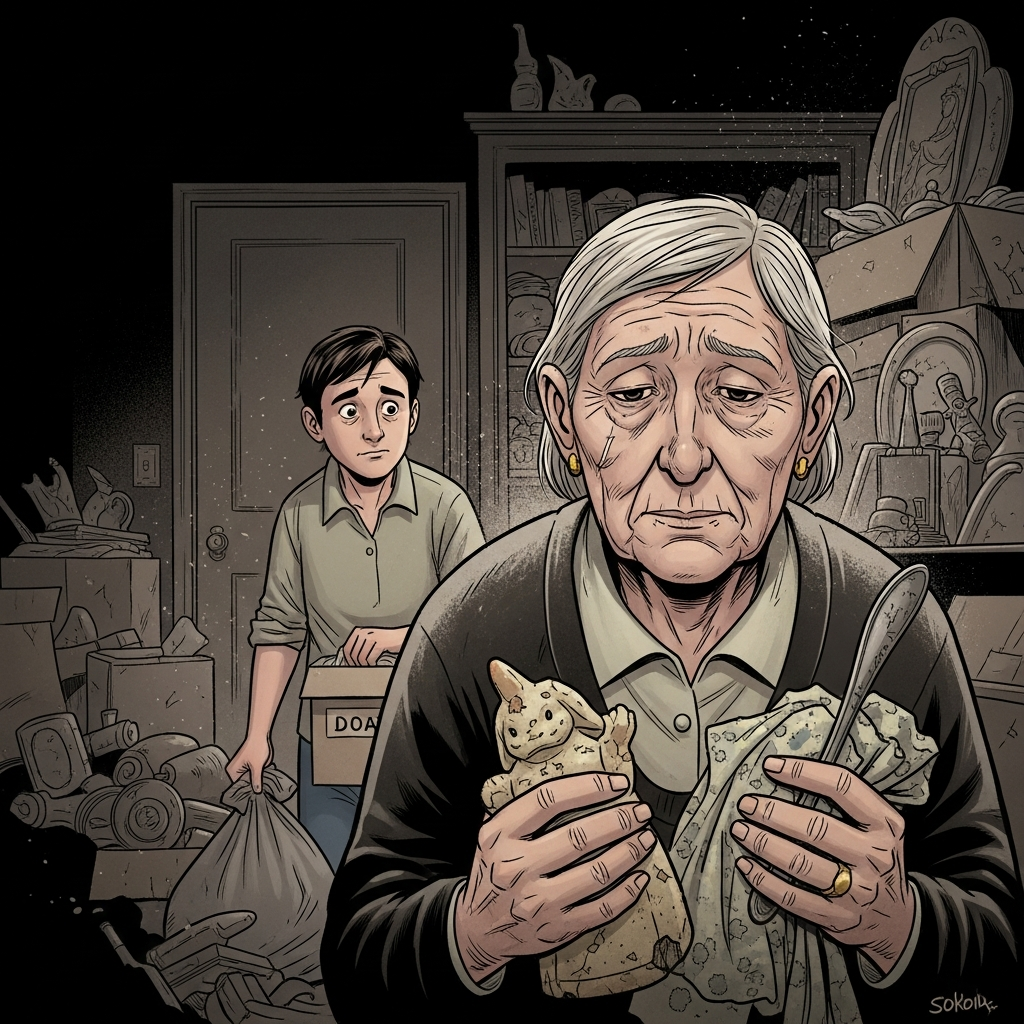
When California families face the reality of downsizing or managing a loved one’s estate, one of the most emotionally charged challenges is confronting items that “cost a fortune” but hold little practical or financial value today. If you’re a California resident preparing your estate plan or serving as an executor, understanding this generational gap in how we value possessions can help you make clearer decisions and avoid conflicts during probate.
At California Probate and Trust, PC, we regularly guide Sacramento families through the complex emotions and legal realities of estate administration. Here’s what you need to know about items your heirs may not want—and how proper estate planning addresses these challenges.
Why This Matters for California Estate Planning
When creating your estate plan or administering a California probate estate, accurately valuing assets is legally required. But there’s often a significant gap between what families believe items are worth and their actual fair market value. This disconnect can lead to:
1. Fine China and Crystal Sets: Estate Valuation Reality
Many California families include fine china in their estate inventory at original purchase prices—often $2,000 to $5,000. However, the current fair market value (what a willing buyer would pay) is typically $100-$300 for complete sets.
Estate Planning Tip: If you own valuable china or crystal, document its current market value with a qualified appraiser. This prevents executors from overvaluing the estate and potentially triggering California’s probate threshold unnecessarily. For estates under $184,500, you may qualify for simplified probate procedures.
2. Outdated Electronics: Depreciation and Estate Assets
Technology depreciates faster than almost any other asset class. That high-end stereo system, computer equipment, or video collection has likely reached zero fair market value, yet families often list these items in estate inventories.
For Executors: California probate law requires accurate asset valuation. Don’t inflate your inventory with electronics that have no resale market. This can expose you to liability and delay the probate process.
3. Formal Furniture: Real Estate Implications
When California families inherit real estate, they often face the burden of clearing out formal furniture before sale. This can delay property transfers and reduce net estate value if storage or disposal costs mount.
Estate Planning Solution: Consider including specific instructions in your trust or will about furniture disposition. A well-drafted California living trust can authorize your successor trustee to donate or dispose of furnishings efficiently, avoiding probate court involvement entirely.
4. Exercise Equipment and Large Items: Hidden Estate Costs
Bulky items like exercise equipment create unexpected costs during estate administration—removal fees, storage, or property damage during extraction. These expenses reduce the net value distributed to beneficiaries.
Pre-Planning Strategy: If you’re downsizing or updating your estate plan, address large items now. Donating or selling them during your lifetime simplifies your estate and may provide tax deductions.
5. Collections and “Investments”: Executor’s Valuation Duty
California executors have a fiduciary duty to properly value estate assets. Collections once purchased as “investments”—Beanie Babies, commemorative plates, sports memorabilia—rarely retain value. Attempting to sell these items can waste months and estate funds on appraisals, listing fees, and shipping.
Legal Guidance: If you’re serving as executor or trustee in California, consult with an experienced probate attorney about when professional appraisals are necessary versus when items can be donated. Not every asset requires costly expert valuation.
6. Outdated Designer Clothing: Personal Property Challenges
Designer clothing and accessories often appear valuable but face limited resale markets. California estate administrators must balance the cost of selling these items against their actual return.
Trust Administration Tip: Modern California trusts often include provisions allowing trustees to distribute personal effects informally among family members or donate them without court approval—avoiding the delays of probate.
7. Silver and Precious Metals: Accurate Valuation Matters
Unlike most items on this list, silver serving pieces do have intrinsic metal value. However, that value is based on weight and current precious metal prices—not the original retail cost or antique value most families assume.
For California Estates: Have silver appraised for both antique value and melt value. This protects executors from undervaluing genuine estate assets while preventing overvaluation of pieces worth only their metal content.
8. Books and Reference Materials: Nominal Value Assets
Unless you own rare first editions or historically significant volumes, most book collections have minimal estate value. Encyclopedia sets and reference books particularly have no resale market.
Simplified Probate Consideration: Properly valuing (or excluding) items like book collections helps determine whether your California estate qualifies for simplified probate procedures, potentially saving your family thousands in legal fees and months of court proceedings.
9. Heirloom Jewelry: When Family Sentiment Meets Legal Reality
Jewelry presents unique challenges in California estate planning. Pieces with sentimental value may have minimal market value, while others may be genuinely valuable. Confusion about jewelry value can lead to:
Estate Planning Best Practice: Have jewelry appraised and include specific bequests in your trust or will. In California, you can use a separate written statement (incorporated by reference) to designate who receives specific jewelry items—avoiding probate court involvement for these personal effects.
The Estate Planning Conversation California Families Need
The most valuable step you can take—whether creating your estate plan or updating an existing one—is having honest conversations with your family about what they actually want to inherit.
At California Probate and Trust, PC, we facilitate these discussions as part of comprehensive estate planning for Sacramento-area families. We help you:
How Proper Estate Planning Addresses These Challenges
California Living Trusts: A properly funded revocable living trust allows your successor trustee to manage and distribute assets—including difficult-to-value personal property—without probate court supervision. This saves time, money, and family stress.
Specific Bequests: Clearly identify items you want specific people to receive. For everything else, grant your trustee or executor broad authority to donate or dispose of property as they see fit.
Professional Guidance: An experienced California estate planning attorney can structure your documents to handle personal property efficiently while ensuring you meet all legal requirements for asset disclosure and valuation.
Protect Your Family From Unnecessary Probate Burdens
The generational gap in how we value possessions isn’t just about sentiment—it has real legal and financial implications for California estates. Whether you’re creating your first estate plan, updating documents after major life changes, or currently serving as an executor or trustee, professional guidance ensures you handle these challenges correctly.
At California Probate and Trust, PC, we’ve helped thousands of Sacramento families navigate estate planning and probate administration with clarity and compassion. We understand that discussions about what your children will keep or donate can be emotionally difficult, but having these conversations now—with experienced legal guidance—protects your family from confusion, conflict, and unnecessary costs later.
Take Action: Schedule Your Free Estate Planning Consultation
Don’t leave your family guessing about your wishes or burdened with an estate full of items they don’t want and can’t sell. Let California Probate and Trust, PC help you create a comprehensive estate plan that reflects current values—both financial and personal.
We offer:
Call (866) 674-1130 or visit cpt.law to schedule your free consultation today.
Because in the end, effective estate planning isn’t about the original price tag—it’s about protecting your family and ensuring your true wishes are honored.
Legal Disclaimer: This article is provided for informational purposes only and does not constitute legal advice. Estate planning and probate law in California involves complex legal requirements that vary based on individual circumstances. The information presented here is general in nature and may not apply to your specific situation. This content does not create an attorney-client relationship between the reader and California Probate and Trust, PC. For advice regarding your particular estate planning or probate needs, please consult with a qualified California attorney. Laws and regulations change frequently, and while we strive to keep our content current, some information may become outdated. Do not rely on this information as a substitute for professional legal counsel.

About the Author: Dustin MacFarlane, Esq.
California Licensed Attorney | Estate Planning Specialist
Dustin MacFarlane is the founder of California Probate and Trust, PC, with over 15 years of experience in estate planning, probate administration, and trust law. Licensed by the California State Bar, Dustin has helped thousands of California families protect their assets and plan for the future.
CA Bar License: Active | Practice Areas: Estate Planning, Probate, Trust Administration | Location: Granite Bay, CA