
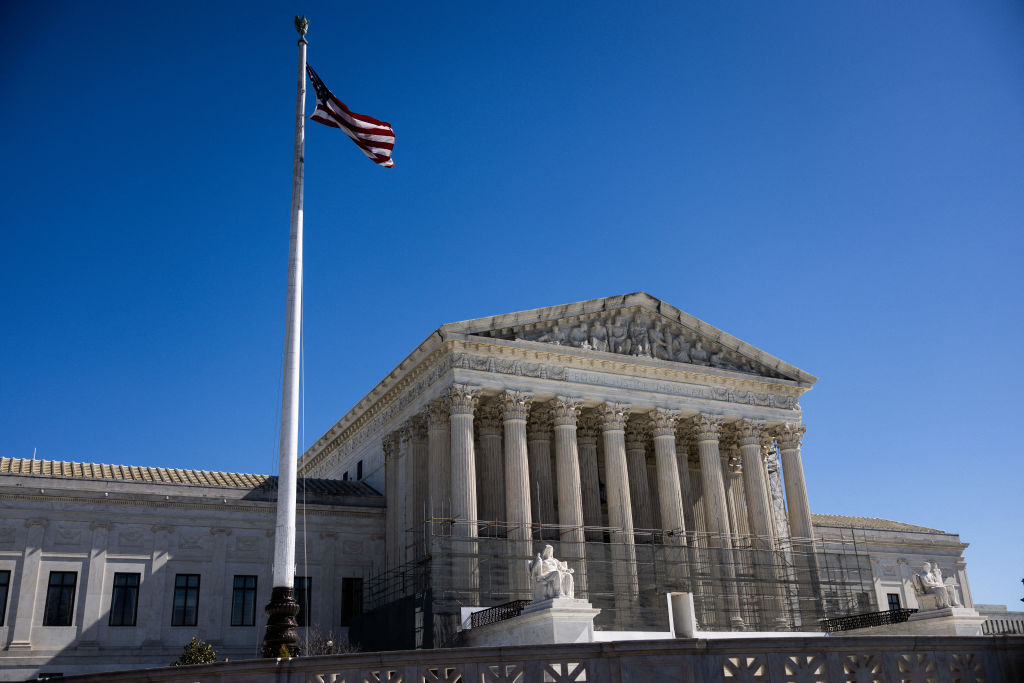
If you’re a California resident concerned about how evolving gun laws might affect your property rights, estate planning strategies, or family protection goals, this Supreme Court case deserves your attention. The outcome could reshape how states balance Second Amendment rights with property owners’ ability to control what happens on their land—including properties you may own or inherit.
The Case at a Glance: Wolford v. Lopez
On Tuesday, the U.S. Supreme Court heard oral arguments in Wolford v. Lopez, a case challenging Hawaii’s 2023 law that prohibits concealed-carry permit holders from bringing firearms onto private property open to the public unless the property owner explicitly grants permission.
Key facts:
Who This Case Affects: California Property Owners and Families
If you own commercial property, manage rental units, or are creating an estate plan that includes real estate assets in California, this case directly impacts your ability to:
Since California has a similar law on the books, the Court’s decision—expected by summer 2026—could validate or invalidate California’s approach to balancing these competing rights.
The Legal Battle: Two Sides, Two Interpretations
Hawaii’s Position:
The state argues the law protects both gun rights and property owners’ fundamental right to exclude unwanted guests—including armed ones. Hawaii contends the law simply clarifies that public access to private property doesn’t automatically include permission to bring firearms, which aligns with colonial-era laws requiring landowner consent for armed entry onto developed or fenced property.
The Challengers’ Position:
Three Maui residents with concealed-carry permits argue the law violates the Second Amendment by making it a crime to carry firearms even when property owners are merely silent on the issue. They claim this “presumption” against guns goes too far, effectively forcing permit holders to leave firearms at home whenever visiting any private business or property.
How Courts Have Ruled on Gun Rights: The Evolution
Understanding this case requires knowing how Second Amendment law has developed:
The Bruen standard—requiring historical analogues for modern gun regulations—sits at the heart of the current dispute.
Real-World Impact: What’s Actually at Stake?
The scope of Hawaii’s law—and by extension, similar California regulations—is hotly contested:
Challengers claim:
Hawaii responds:
What This Means for California Estate Planning
If you’re creating or updating your estate plan in California, this case highlights important considerations:
1. Property Transfer Planning
When transferring commercial property, rental units, or family businesses through trusts or wills, you may want to address firearm policies explicitly. The right to exclude firearms could become a valuable property right that needs protection in estate documents.
Trustees managing properties for beneficiaries need clear guidance on firearms policies, especially if the trust holds properties open to the public. Ambiguity could create liability or family conflict.
3. Conservatorships and Powers of Attorney
Agents acting under powers of attorney or conservators managing property for incapacitated individuals must understand their authority to make decisions about firearms on managed properties.
4. Multi-Generational Wealth Protection
Families transferring property across generations benefit from clear policies that reflect their values—whether prioritizing gun rights, property control, or a balanced approach.
The Trump Administration Weighs In
The U.S. Solicitor General filed a brief supporting the challengers, arguing that Hawaii’s law “lacks any well-established historical analogue” and that firearms regulations are unconstitutional if designed to thwart the right to publicly carry arms or if they effectively negate that right.
What Happens Next?
The Supreme Court is expected to issue its decision by summer 2026.The ruling will provide crucial clarity for California residents and property owners on:
How California Probate and Trust Can Help
At California Probate and Trust, PC, we understand that protecting your property rights and planning for your family’s future requires navigating complex and evolving legal landscapes. Our experienced Sacramento-based attorneys help California residents create comprehensive estate plans that address:
We offer free one-hour consultations to discuss your estate planning goals and answer your questions about how legal developments like this Supreme Court case might affect your plans.
Schedule Your Free Consultation Today
Don’t let uncertainty about property rights and legal changes delay your estate planning. Contact California Probate and Trust, PC to speak with a compassionate, knowledgeable attorney who can help you protect what matters most.
Call (866)-674-1130 or visit cpt.law to schedule your free consultation.
Legal Disclaimer
This article is provided for informational purposes only and does not constitute legal advice. The information presented is based on news reporting about pending litigation and should not be relied upon as a definitive statement of law. Estate planning, property law, and firearms regulations are complex areas that vary by jurisdiction and individual circumstances. No attorney-client relationship is created by reading this article. For specific legal guidance tailored to your situation, please consult with a qualified attorney licensed in your state. California Probate and Trust, PC is available to California residents seeking estate planning, trust administration, and probate services.
Source: Amy Howe, Court to hear oral argument on law banning guns on private property, SCOTUSblog (Jan. 15, 2026), https://www.scotusblog.com/2026/01/court-to-hear-oral-argument-on-law-banning-guns-on-private-property/

About the Author: Dustin MacFarlane, Esq.
California Licensed Attorney | Estate Planning Specialist
Dustin MacFarlane is the founder of California Probate and Trust, PC, with over 15 years of experience in estate planning, probate administration, and trust law. Licensed by the California State Bar, Dustin has helped thousands of California families protect their assets and plan for the future.
CA Bar License: Active | Practice Areas: Estate Planning, Probate, Trust Administration | Location: Granite Bay, CA