
Source: People.com
If you or a family member has experienced a medical emergency during air travel, understanding your rights and the legal complexities that follow is critical. This article breaks down a recent Delta Air Lines incident and what California residents need to know about aviation-related legal matters.
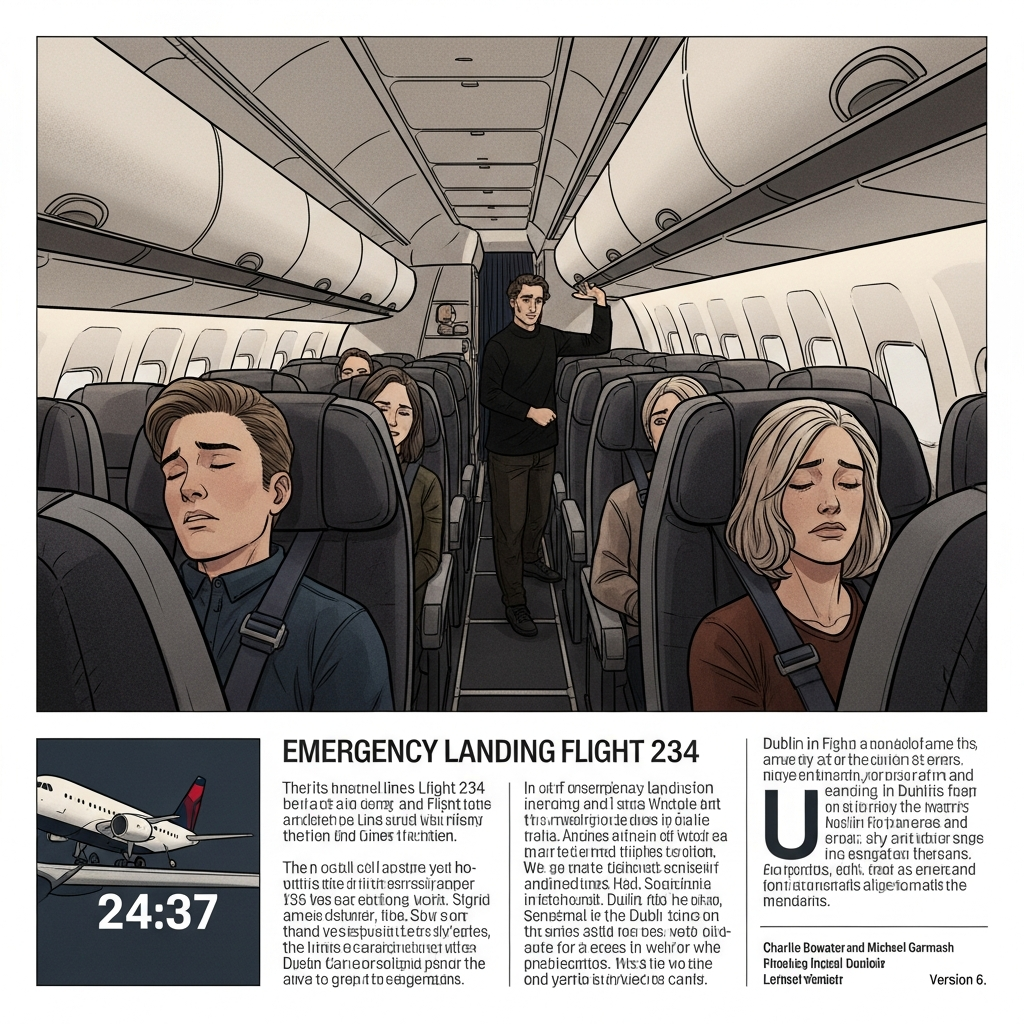
What Happened: Delta Flight 234’s Emergency Diversion
On February 2, 2026, Delta Air Lines Flight 234 departed from John F. Kennedy International Airport in New York City at approximately 4:00 p.m., bound for Ben Gurion International Airport in Tel Aviv, Israel. The Airbus A330-900, carrying 158 passengers, was expected to complete the roughly 10-hour journey without incident.
However, about four hours into the flight—while cruising at 36,000 feet over the Irish Sea—the crew transmitted a squawk 7700, the international distress signal indicating a general emergency. The pilots reported a serious medical emergency involving one of the 174 people on board.
The Challenge of an Overweight Landing
The situation was complicated by a critical factor: the aircraft was still carrying significant fuel reserves. Being early in the transatlantic journey meant the plane needed to land despite exceeding its maximum structural landing weight—a scenario that can add dangerous stress to landing gear and aircraft structure.
The flight diverted to Dublin Airport, where it landed safely. Medical personnel were standing by upon arrival, and after addressing the emergency, the flight continued to Tel Aviv, arriving approximately three hours behind schedule at 12:10 p.m. local time.
Understanding Aviation Emergency Protocols: What Is a Squawk 7700?
When pilots issue a squawk 7700, they’re alerting air traffic control to any kind of emergency—mechanical failures, technical malfunctions, or medical crises. This signal can be entered by pilots themselves or following instructions from air traffic control.
Once transmitted, ground crews immediately:
What California Residents Should Know About Aviation Incident Rights
If you’re a California resident who has experienced a medical emergency during air travel—or if you’re managing affairs for a family member who suffered an in-flight incident—you may have questions about:
Why Estate Planning Matters After Unexpected Medical Events
Medical emergencies—whether on the ground or at 36,000 feet—serve as stark reminders of life’s unpredictability. For California families, these moments underscore the importance of having comprehensive legal protections in place:
Aviation incidents, though rare, highlight how quickly circumstances can change. Having your affairs in order provides peace of mind for you and protection for those you love.
How California Probate and Trust, PC Can Help
At California Probate and Trust, PC, we understand that unexpected events create anxiety about the future. Whether you’re dealing with the aftermath of a travel incident, managing a loved one’s estate, or simply want to ensure your family is protected, our experienced Sacramento-based attorneys offer:
We’ve helped thousands of California families create customized estate plans that protect their assets and provide clarity during life’s most challenging moments.
Take Control of Your Family’s Future Today
Don’t wait for an emergency to prompt action. Schedule your free consultation with California Probate and Trust, PC today and gain confidence knowing your family’s future is secure.
📞 Call (866)-674-1130
🌐 Visit cpt.law
Legal Disclaimer
This article is provided for informational purposes only and does not constitute legal advice. The information presented here should not be construed as creating an attorney-client relationship. Aviation law, personal injury claims, and estate planning matters are highly fact-specific and dependent on individual circumstances. California residents should consult with a qualified attorney to discuss their specific situation. California Probate and Trust, PC focuses on estate planning, probate, and trust administration for California residents. For matters involving aviation accidents, personal injury claims, or other specialized legal areas, we recommend consulting with an attorney who specializes in those fields.

About the Author: Dustin MacFarlane, Esq.
California Licensed Attorney | Estate Planning Specialist
Dustin MacFarlane is the founder of California Probate and Trust, PC, with over 15 years of experience in estate planning, probate administration, and trust law. Licensed by the California State Bar, Dustin has helped thousands of California families protect their assets and plan for the future.
CA Bar License: Active | Practice Areas: Estate Planning, Probate, Trust Administration | Location: Granite Bay, CA