
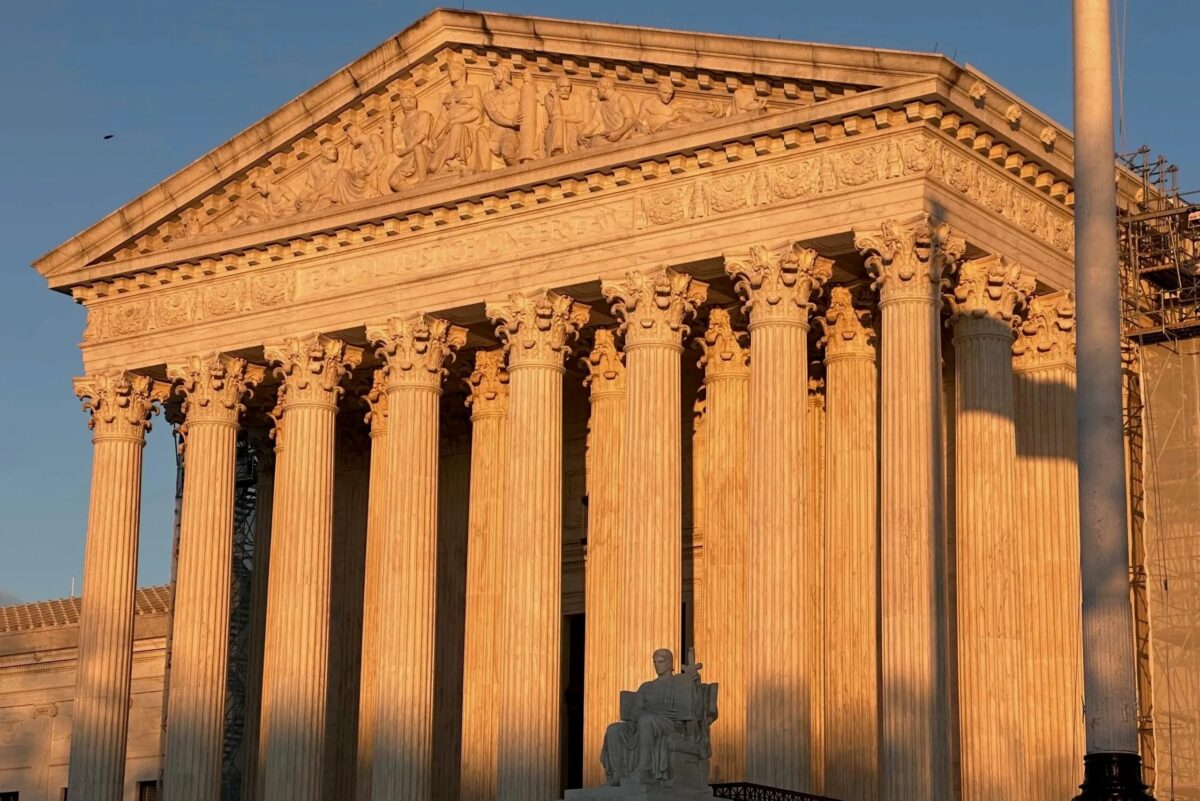
For California residents managing family assets and concerned about protecting their constitutional rights and their loved ones from government overreach
Source: Carolyn Shapiro, “When the Supreme Court abets lawlessness,” SCOTUSblog (Feb. 5, 2026)
What California Families Need to Know About Holding Federal Agents Accountable
If you’re a California resident worried about protecting your family’s constitutional rights—especially in light of recent reports of aggressive federal enforcement tactics—you’re asking the right questions. In early 2026, we’ve witnessed troubling incidents involving federal Department of Homeland Security agents, including two U.S. citizens shot and killed in Minneapolis, along with widespread reports of unlawful arrests, racial profiling, and excessive force.
As a constitutional law expert recently explained, many people are asking: “Is that really legal? How can they get away with that? Why don’t the courts stop them?”The answer reveals a decades-long erosion of legal remedies by the Supreme Court, making it increasingly difficult to vindicate constitutional rights or stop systematic governmental lawlessness.
Why It’s So Hard to Sue Federal Agents Who Violate Your Rights
The Two Main Legal Pathways (And Their Obstacles)
Courts traditionally address constitutional violations through two mechanisms:
Both face significant Supreme Court-imposed barriers.
1. Suing for Money Damages: The Bivens Doctrine Problem
While state and local officials can be sued under 42 U.S.C. § 1983—a Reconstruction-era law allowing damages for constitutional violations—this statute doesn’t apply to federal actors.
In 1971, the Supreme Court’s Bivens v. Six Unknown Federal Narcotics Agents decision created a path to sue federal officers for Fourth Amendment violations. However, recent Supreme Court rulings have severely limited Bivens claims, holding they don’t apply “in a new context” or to “a new category of defendants”.
Critically, cases like Egbert v. Boule and Hernandez v. Mesa precluded Bivens suits against Border Patrol agents, with Justice Clarence Thomas writing that courts are “comparatively ill suited to decide whether a damages remedy against any Border Patrol agent is appropriate”. Both cases involved activity at U.S. borders, leaving open the question of whether this protection extends to raids occurring hundreds of miles from the border.
2. Qualified Immunity: The Nearly Insurmountable Barrier
Even when plaintiffs can bring lawsuits, they must overcome “qualified immunity”—a judge-made doctrine protecting officials unless they violated “clearly established law”. In practice, this requires “a case with nearly identical facts” establishing a constitutional violation.
Consider this real example: An officer who slammed a nonviolent woman to the ground, breaking her collarbone and knocking her unconscious, received qualified immunity. Why? Because while prior cases held officers can’t use force against nonviolent suspects, no case had established that this specific “takedown maneuver” was forbidden when a suspect simply walked away.
Qualified immunity has faced scathing criticism across the political spectrum, yet it has become increasingly rigid.
3. Injunctions to Stop Ongoing Violations: Standing and Scope Restrictions
The 1983 case Lyons v. City of Los Angeles established that even victims of constitutional violations lack “standing” to seek injunctions unless they can prove they’ll likely experience the same harm again. Justice Brett Kavanaugh recently relied on Lyons when the Supreme Court paused an injunction against DHS’s racial profiling tactics in California.
The 2025 Trump v. CASA decision further restricted relief by prohibiting “universal injunctions” that protect anyone who might be harmed—not just the plaintiffs. While the Court mentioned mechanisms like class actions that might provide broad relief, lower courts have interpreted this narrowly, with the 8th Circuit staying an injunction in Minnesota because it resembled the prohibited universal injunctions.
How California Can Protect Its Residents: Two Promising Pathways
1. State Criminal Prosecution of Federal Agents
California officials have made clear their intention to investigate and prosecute federal agents who violate state criminal laws. This authority is well-established: over a century ago, the Supreme Court held in Drury v. Lewis that state courts have jurisdiction even over military personnel “accused of a capital crime or of any offence against the person of a citizen, committed within the state”.
Federal agents may claim “Supremacy Clause immunity,” but this defense only applies when their actions are both authorized by federal law and “necessary and proper” to fulfill their duties. Courts are unlikely to find this immunity applies when agents:
2. State Laws Creating Damages Remedies (“Converse 1983 Statutes”)
Several states have enacted laws—sometimes called “converse 1983 statutes”—that authorize money damages lawsuits when any government official (federal, state, or local) violates federal constitutional rights. More states are considering such legislation.
Again, federal agents might assert Supremacy Clause immunity, but if their actions are unconstitutional, they cannot by definition be “necessary and proper”.
What This Means for California Families
As one legal scholar observes, states may be able to provide better answers to “can they really do that?” than the Supreme Court has allowed in federal courts. This represents “the liberty-protecting promise of federalism in action”.
For California residents concerned about protecting their families and assets from governmental overreach, these state-level remedies offer hope. However, navigating these complex legal landscapes requires experienced counsel who understands both constitutional law and California-specific protections.
How California Probate and Trust, PC Can Help Protect Your Family
While estate planning traditionally focuses on wealth transfer and healthcare decisions, protecting your family also means understanding your constitutional rights and available legal remedies when government actors overstep their authority.
At California Probate and Trust, PC, our Sacramento-based attorneys provide comprehensive legal guidance to California families navigating complex legal challenges. Whether you’re concerned about protecting your assets, safeguarding your family’s rights, or need clarity on California-specific legal protections, we offer transparent counsel you can trust.
Schedule Your Free Consultation
Take the first step toward protecting what matters most. Contact California Probate and Trust, PC today for a free consultation:
Our experienced attorneys will take the time to understand your unique situation and help you develop a comprehensive plan to protect your family’s future.
Legal Disclaimer
This article is provided for informational purposes only and does not constitute legal advice. The information contained herein is based on publicly available sources and legal analysis current as of February 2026. Laws and court interpretations change frequently, and the application of law varies based on individual circumstances. Nothing in this article creates an attorney-client relationship. For specific legal guidance regarding your situation, please consult with a qualified California attorney. California Probate and Trust, PC is available to discuss your individual needs during a free consultation.

About the Author: Dustin MacFarlane, Esq.
California Licensed Attorney | Estate Planning Specialist
Dustin MacFarlane is the founder of California Probate and Trust, PC, with over 15 years of experience in estate planning, probate administration, and trust law. Licensed by the California State Bar, Dustin has helped thousands of California families protect their assets and plan for the future.
CA Bar License: Active | Practice Areas: Estate Planning, Probate, Trust Administration | Location: Granite Bay, CA