
California Legal Implications: Shifting Policies Highlight the Need for Adaptable Estate Plans
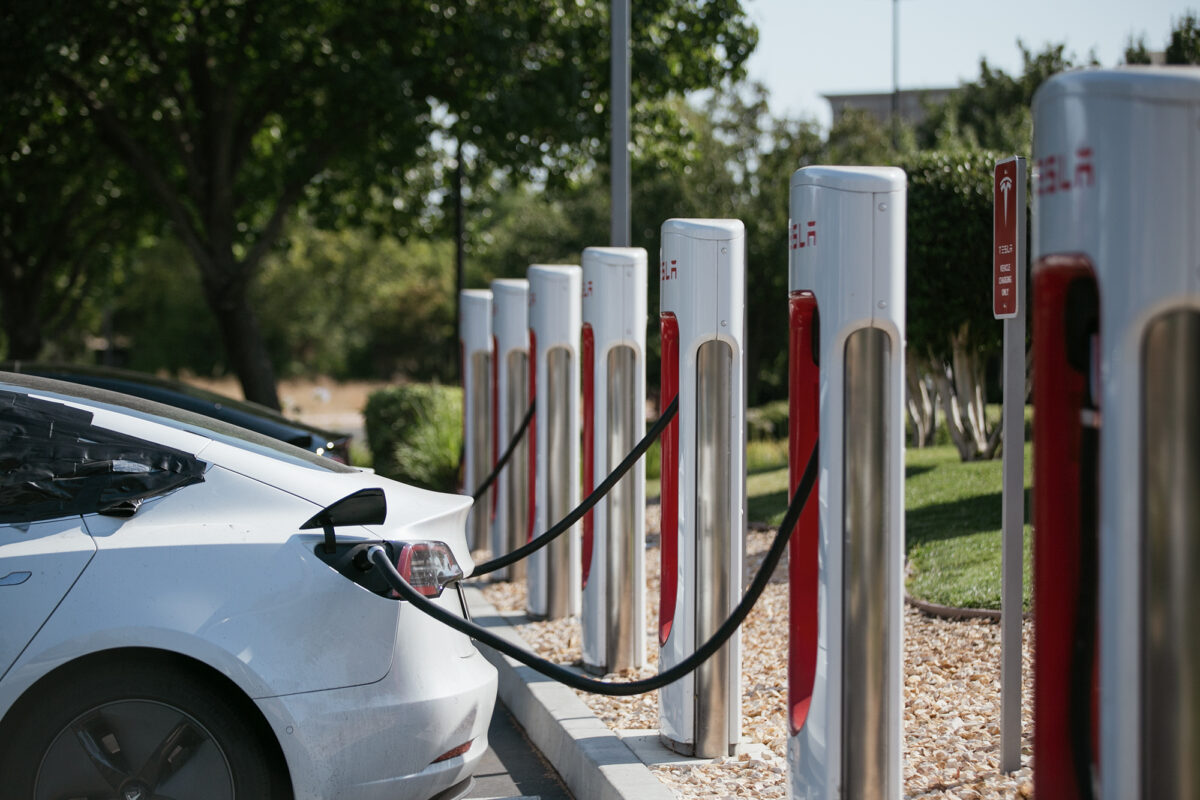
A recent report from CalMatters details Governor Newsom’s proposed $200 million electric vehicle rebate program, designed to counteract the effects of canceled federal incentives and bolster a slowing market. The plan, which would offer point-of-sale rebates and require automakers to match state funds, highlights how quickly government policies and financial incentives can change. details Governor Newsom’s proposed $200 million electric vehicle rebate program, designed to counteract the effects of canceled federal incentives and bolster a slowing market. The plan, which would offer point-of-sale rebates and require automakers to match state funds, highlights how quickly government policies and financial incentives can change.
This shifting landscape is not unique to the auto industry; it’s a constant in the world of estate and tax law. Just as a vehicle rebate program can be introduced, altered, or eliminated based on political and economic factors, the laws governing wealth transfer, estate taxes, and long-term care eligibility are also subject to revision. This uncertainty underscores a critical principle for California families: an estate plan must be a dynamic, adaptable strategy, not a static, one-time document.
The Danger of a “Set It and Forget It” Mindset
Many people create a will or trust and assume their work is done. However, changes in the law can significantly impact the effectiveness of an outdated plan. For example, the federal estate tax exemption—the amount you can pass on tax-free—has fluctuated dramatically over the years. A plan drafted when the exemption was $1 million would operate very differently today, when it is over $13 million per person but scheduled to be cut in half at the end of 2025.—the amount you can pass on tax-free—has fluctuated dramatically over the years. A plan drafted when the exemption was $1 million would operate very differently today, when it is over $13 million per person but scheduled to be cut in half at the end of 2025.
Similarly, rules for programs like Medi-Cal are complex and can change. An outdated plan might inadvertently disqualify you from receiving essential long-term care benefits. A proactive approach, involving regular reviews with an estate planning attorney, ensures your plan remains aligned with current laws and your personal goals. are complex and can change. An outdated plan might inadvertently disqualify you from receiving essential long-term care benefits. A proactive approach, involving regular reviews with an estate planning attorney, ensures your plan remains aligned with current laws and your personal goals.
Using a Revocable Living Trust for Maximum Flexibility
For most Californians, a revocable living trust is the cornerstone of a flexible estate plan. Unlike a will, which becomes irrevocable upon death, a living trust can be amended or completely restated by you (the settlor or trustor) at any time while you are alive and have capacity. This flexibility allows you to:
– Adapt to changes in tax laws.
– Add or remove beneficiaries as your family circumstances change.
– Change your successor trustee (the person who manages the trust after you).
– Update how and when assets are distributed to your loved ones. (the person who manages the trust after you).
– Update how and when assets are distributed to your loved ones.
Properly Titling Assets to Avoid Probate
The new EV rebate program encourages the purchase of a significant asset. How that vehicle is titled has major legal consequences. An asset held only in your individual name will likely have to go through probate upon your death. Probate is a court-supervised process in California that is notoriously slow, expensive, and public. is a court-supervised process in California that is notoriously slow, expensive, and public.
By titling your new vehicle, home, and other significant assets in the name of your revocable living trust, you ensure they bypass the probate process entirely. Your chosen successor trustee can manage and distribute these assets privately and efficiently according to the instructions in your trust, saving your family time, money, and stress. can manage and distribute these assets privately and efficiently according to the instructions in your trust, saving your family time, money, and stress.
Planning for Specific Assets
The state’s proposal includes specific rules for different vehicle types and price caps. This level of detail serves as a good reminder to be specific in your own estate plan. Your plan should clearly address the distribution of your tangible personal property, which includes items like vehicles, art, and jewelry. A well-drafted trust or will can include provisions for a separate writing that lists who should receive specific items, which can be updated over time without formally amending your entire plan., which includes items like vehicles, art, and jewelry. A well-drafted trust or will can include provisions for a separate writing that lists who should receive specific items, which can be updated over time without formally amending your entire plan.
The lesson from California’s changing EV incentive landscape is clear: planning for the future requires anticipating change. A well-crafted and regularly reviewed estate plan provides the security and flexibility needed to navigate life’s uncertainties and protect your family, no matter what new laws or policies come into effect.
About This Case
Source: Trump canceled EV incentives. Newsom has a $200 million plan to make up for it
California Probate and Trust, PC Can Help
– Free consultations: (866)-674-1130
– Experienced California estate planning
– Schedule consultation
– Learn more: cpt.law
– Free consultations: (866)-674-1130
– Experienced California estate planning
– Schedule consultation
– Learn more: cpt.law
Legal Disclaimer
This article is for informational purposes only. Consult with a qualified California estate planning attorney for advice specific to your situation.