
Handling High-Value Collectibles in California Estate Planning
California Legal Implications: Asset Valuation and Tangible Personal Property
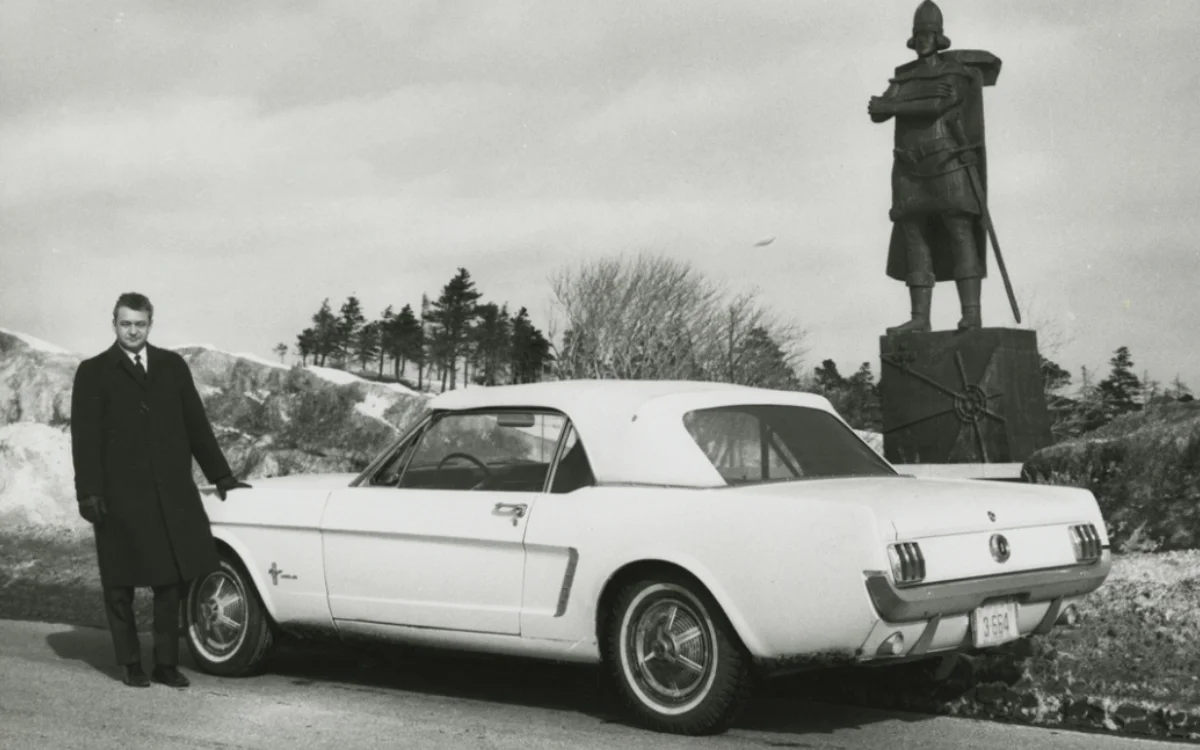
According to a recent story from Supercar Blondie, Captain Stanley Tucker unwittingly purchased the very first Ford Mustang ever sold to the public in 1964. Recognizing the vehicle’s immense historical significance, Ford spent years attempting to buy it back. Tucker refused for years until 1966, when he finally agreed to trade the original vehicle for the one-millionth Mustang produced—a fully loaded convertible., Captain Stanley Tucker unwittingly purchased the very first Ford Mustang ever sold to the public in 1964. Recognizing the vehicle’s immense historical significance, Ford spent years attempting to buy it back. Tucker refused for years until 1966, when he finally agreed to trade the original vehicle for the one-millionth Mustang produced—a fully loaded convertible.
While Captain Tucker managed this asset exchange during his lifetime, his story illustrates a common scenario in California estate planning: the possession of a unique, high-value asset that is difficult to value and distribute. For California residents, owning rare collectibles—whether classic cars, art, or historical memorabilia—requires specific legal strategies to ensure the asset is preserved, valued correctly, and distributed according to the owner’s wishes without causing family disputes.
Tangible Personal Property in California Trusts
In estate planning, items like Captain Tucker’s Mustang are classified as tangible personal property. Unlike bank accounts or stocks, these assets carry both financial weight and emotional attachment. In California, if a Revocable Living Trust is not drafted with specific instructions regarding these items, trustees may be forced to sell the asset to split the proceeds equally among beneficiaries.. Unlike bank accounts or stocks, these assets carry both financial weight and emotional attachment. In California, if a Revocable Living Trust is not drafted with specific instructions regarding these items, trustees may be forced to sell the asset to split the proceeds equally among beneficiaries.
To avoid the forced sale of a cherished family heirloom, a comprehensive estate plan often includes a specific bequest. This is a legal provision within a Trust or Will that designates a specific asset to a specific beneficiary. For example, had Captain Tucker kept the car, he could have specifically bequeathed the vehicle to a chosen heir, ensuring it stayed in the family rather than being liquidated.. This is a legal provision within a Trust or Will that designates a specific asset to a specific beneficiary. For example, had Captain Tucker kept the car, he could have specifically bequeathed the vehicle to a chosen heir, ensuring it stayed in the family rather than being liquidated.
Asset Valuation and Appraisals
One of the complexities in Tucker’s case was the discrepancy between the car’s “book value” and its “historical value.” Ford was willing to trade a brand-new, fully loaded vehicle for a used car because of its provenance.
In a California probate or trust administration context, accurate valuation is critical for two reasons:
1. Estate Taxes: If an estate exceeds the federal exemption, the IRS requires a fair market value appraisal. A standard “Blue Book” value is insufficient for a historical artifact.
2. Equitable Distribution: If a parent wants to treat children equally, giving a million-dollar car to one child and $10,000 in cash to another creates an imbalance. A professional appraisal allows the estate planner to balance the inheritance, perhaps by utilizing life insurance or other assets to equalize the distribution.: If a parent wants to treat children equally, giving a million-dollar car to one child and $10,000 in cash to another creates an imbalance. A professional appraisal allows the estate planner to balance the inheritance, perhaps by utilizing life insurance or other assets to equalize the distribution.
Updating Your Estate Plan When Assets Change
Captain Tucker eventually traded the first Mustang for the one-millionth Mustang. This highlights a vital rule in estate planning: documents must be updated when major assets change.
If a California resident specifically bequeaths “my 1964 Mustang” to a beneficiary, but then trades it for a “1966 Mustang” before passing away, the specific bequest might fail (a legal concept known as ademption). The beneficiary might receive nothing because the specific item no longer exists in the estate. Regular reviews of your Trust ensure that your asset descriptions match what you currently own.). The beneficiary might receive nothing because the specific item no longer exists in the estate. Regular reviews of your Trust ensure that your asset descriptions match what you currently own.
Lifetime Transfers vs. Testamentary Transfers
Tucker chose to transfer the car during his life. In California, lifetime gifts can be a valid strategy to reduce the size of a taxable estate or to witness the enjoyment of the recipient. However, retaining an asset until death often provides a step-up in cost basis, potentially saving heirs significant capital gains taxes if they decide to sell the item later., potentially saving heirs significant capital gains taxes if they decide to sell the item later.
About This Case
California Probate and Trust, PC Can Help
– Free consultations: (866)-674-1130
– Experienced California estate planning
– Schedule consultation
– Learn more: cpt.law
Legal Disclaimer
This article is for informational purposes only. Consult with a qualified California estate planning attorney for advice specific to your situation.

About the Author: Dustin MacFarlane, Esq.
California Licensed Attorney | Estate Planning Specialist
Dustin MacFarlane is the founder of California Probate and Trust, PC, with over 15 years of experience in estate planning, probate administration, and trust law. Licensed by the California State Bar, Dustin has helped thousands of California families protect their assets and plan for the future.
CA Bar License: Active | Practice Areas: Estate Planning, Probate, Trust Administration | Location: Granite Bay, CA