
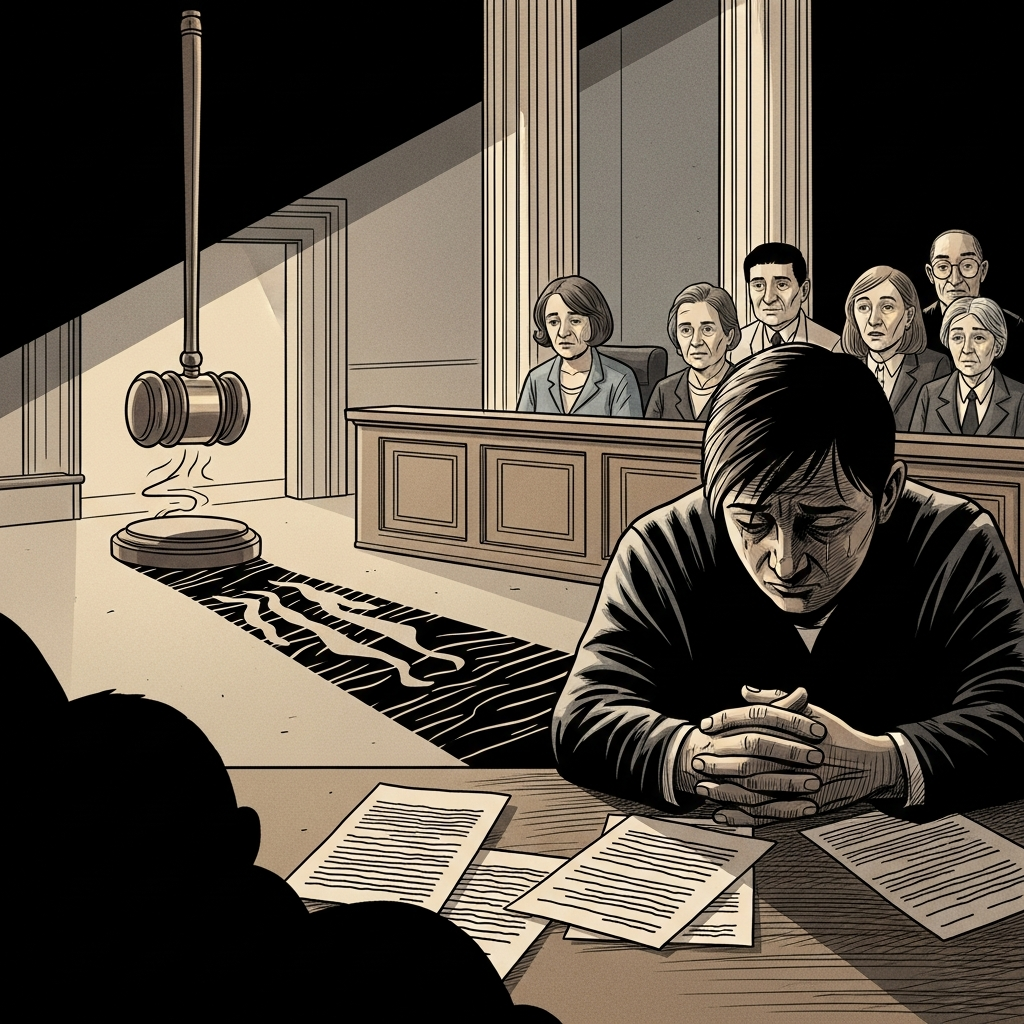
California Legal Implications: Mental Health Conservatorship Timelines and Due Process
A recent appellate court decision has clarified important procedural rules regarding mental health conservatorships in California. As reported in the Conservatorship of T.B. opinion, the court examined whether a failure to start a trial within 10 days of a demand mandates the dismissal of a conservatorship case. The court ruled that while the law states a trial “shall commence” within that window, the failure to do so provides the judge with discretionary, rather than mandatory, grounds for dismissal., grounds for dismissal.
For California families, this ruling highlights the complexity of the court system and the delicate balance between strict procedural rights and the protective intent of conservatorship laws. While this specific case involves the Lanterman-Petris-Short (LPS) Act, it serves as a critical reminder of why many families seek to avoid court-supervised processes through proactive estate planning.
LPS Conservatorships vs. Probate Conservatorships
To understand the impact of this ruling, it is essential to distinguish between the two primary types of conservatorships in California:
* LPS Conservatorships: These are governed by the Welfare and Institutions Code and are specifically designed for individuals who are “gravely disabled” due to a mental health disorder. They are often temporary (lasting one year) and focus on psychiatric treatment.
* Probate Conservatorships: These are the types of cases most often handled by estate planning and probate attorneys. They typically involve adults who cannot care for their own physical health or manage their finances due to aging, dementia, or developmental disabilities.: These are the types of cases most often handled by estate planning and probate attorneys. They typically involve adults who cannot care for their own physical health or manage their finances due to aging, dementia, or developmental disabilities.
While the *Conservatorship of T.B.* ruling applies specifically to LPS cases, the legal principles regarding court delays, statutory interpretation, and the rights of the conservatee are relevant across the legal spectrum.
The “Directory” vs. “Mandatory” Distinction
The core of this case revolved around the interpretation of the word “shall” in the statute. The new amendment to the law required that a trial on the issue of grave disability must begin within 10 days of a demand. In this case, the trial was delayed significantly—171 days after the demand.
The appellate court determined that the timeline requirement was “directory.” This means that while the court should aim to meet the deadline to protect the individual’s liberty interests, missing the deadline does not automatically invalidate the proceedings. The judge retains the power to decide if dismissal is appropriate based on the specific circumstances.
For families involved in any court proceeding, this underscores a frustrating reality: the court system can be slow, and strict statutory deadlines are sometimes subject to judicial interpretation.
Avoiding Court Through Estate Planning
The delays highlighted in this case—nearly six months of waiting for a trial—demonstrate the burdens of relying on the court system for care management. Whether it is an LPS conservatorship or a Probate conservatorship, court intervention is public, time-consuming, and expensive.
The most effective way to protect a loved one without subjecting them to these legal battles is through comprehensive estate planning documents created while the individual still has capacity.
* Advance Health Care Directive: This document allows an individual to appoint an agent to make medical decisions if they become incapacitated, potentially avoiding the need for a conservatorship of the person.
* Durable Power of Attorney: This allows a designated agent to manage finances, paying bills and handling assets, which can prevent the need for a conservatorship of the estate.
* Revocable Living Trust: A Trust helps manage assets during incapacity and avoids probate upon death. helps manage assets during incapacity and avoids probate upon death.
By having these documents in place, California residents can often bypass the court entirely, ensuring that decisions are made promptly by trusted family members rather than judges.
About This Case
California Probate and Trust, PC Can Help
– Free consultations: (866)-674-1130
– Experienced California estate planning
– Schedule consultation
– Learn more: cpt.law
Legal Disclaimer
This article is for informational purposes only. Consult with a qualified California estate planning attorney for advice specific to your situation.

About the Author: Dustin MacFarlane, Esq.
California Licensed Attorney | Estate Planning Specialist
Dustin MacFarlane is the founder of California Probate and Trust, PC, with over 15 years of experience in estate planning, probate administration, and trust law. Licensed by the California State Bar, Dustin has helped thousands of California families protect their assets and plan for the future.
CA Bar License: Active | Practice Areas: Estate Planning, Probate, Trust Administration | Location: Granite Bay, CA