
California Legal Implications: Hoarding and Estate Property Management
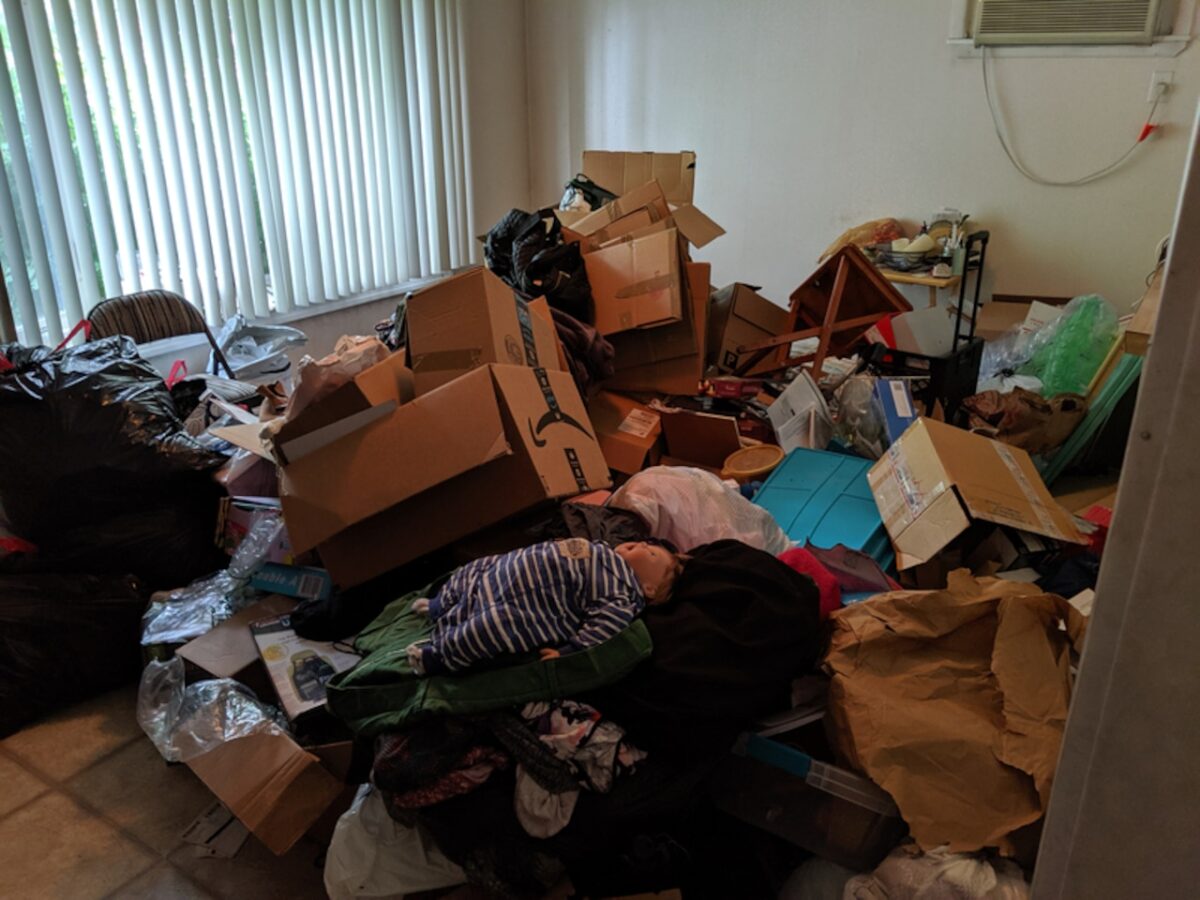
In a recent advice column for the Tribune Content Agency, a reader expressed concern regarding their elderly mother living in a home filled with a sibling’s hoard. The reader described the home as only having “some rooms” that are usable and noted that the brother, who lives rent-free, refuses to clean or help with household tasks. The situation creates significant safety risks and emotional strain on the family. You can read the full story at Asking Eric: My brother’s hoarding has created a problem at our mom’s home (Note: URL is illustrative based on title; specific URL from source required). (Note: URL is illustrative based on title; specific URL from source required).
While the columnist offered interpersonal advice, this scenario presents serious legal red flags for California families involving elder abuse, property preservation, and future trust administration..
Hoarding as a Legal Liability and Safety Hazard
In California, severe hoarding is not just a lifestyle choice; it can be considered a form of self-neglect or elder abuse if it threatens the health and safety of an elder dependent. When a home becomes a fire hazard or creates sanitary issues due to hoarding, Adult Protective Services (APS) may intervene. may intervene.
From an estate planning perspective, allowing a property to degrade due to hoarding impacts the value of the estate. If the mother in this story owns the home, she faces potential liability if emergency services cannot access the property or if the hoard causes damage to neighbors (e.g., pests or fire).
Capacity and Power of Attorney
The letter writer noted that their mother gets upset when social services are mentioned and seems to ignore the reality of the situation. This raises questions about mental capacity. If the mother is unable to recognize the danger she is in, the family may need to look into a Conservatorship to ensure her safety. to ensure her safety.
Alternatively, if the mother had a comprehensive estate plan with a Durable Power of Attorney, the designated agent could potentially hire professional organizers or cleaners to remediate the hazard, acting in the mother’s best interest even if she is reluctant., the designated agent could potentially hire professional organizers or cleaners to remediate the hazard, acting in the mother’s best interest even if she is reluctant.
The Trustee’s Duty and Difficult Beneficiaries
The most significant legal challenge often arises after the parent passes away. If the mother leaves the house to both siblings in a Living Trust, the responsible sibling (often named the Successor Trustee) will face a difficult road.) will face a difficult road.
A Trustee has a fiduciary duty to manage and distribute trust assets for the benefit of all beneficiaries. If one beneficiary (the hoarding brother) lives in the home and refuses to leave or clean it, the Trustee cannot sell the home or distribute the assets. In California, this often requires the Trustee to legally evict the sibling—a complex process when the tenant is also a beneficiary. to manage and distribute trust assets for the benefit of all beneficiaries. If one beneficiary (the hoarding brother) lives in the home and refuses to leave or clean it, the Trustee cannot sell the home or distribute the assets. In California, this often requires the Trustee to legally evict the sibling—a complex process when the tenant is also a beneficiary.
Proactive Planning for Dependent Adult Children
Parents with adult children who struggle with unemployment or behavioral health issues like hoarding should consider specific provisions in their estate plan. A standard distribution might not work. Instead, parents might consider:
* Third-Party Special Needs Trusts: To support the child without disqualifying them from government benefits.
* Incentive Trusts: Where distributions are tied to meeting specific conditions, such as maintaining employment or keeping a residence sanitary.
* Life Estates: Granting the right to live in a home for a set time, provided the property is maintained.: Granting the right to live in a home for a set time, provided the property is maintained.
About This Case
Source: Asking Eric: My brother’s hoarding has created a problem at our mom’s home
California Probate and Trust, PC Can Help
– Experienced California estate planning
– Schedule consultation
– Learn more: cpt.law
Legal Disclaimer
This article is for informational purposes only. Consult with a qualified California estate planning attorney for advice specific to your situation.
Why Estate Planning Matters in California
California has unique estate planning laws that differ significantly from other states. Without proper planning, your assets may not pass according to your wishes, and your family could face unnecessary probate court proceedings.
A comprehensive California estate plan typically includes:
- A revocable living trust to avoid probate
- Pour-over will as a safety net
- Advance health care directive
- Durable power of attorney for finances
- Beneficiary designations on retirement accounts and life insurance
How Trusts Work in California
California’s trust law (Probate Code Division 9) governs how trusts are created, administered, and terminated. Understanding these rules is essential for effective estate planning.
Key benefits of California trusts:
- Avoid probate: Assets in a properly funded trust bypass California’s lengthy probate process
- Privacy: Unlike wills (which become public in probate), trusts remain private
- Control: You maintain control during your lifetime and direct distribution after death
- Incapacity planning: Your successor trustee manages assets if you become incapacitated
- Tax planning: Trusts can help minimize estate and income taxes
Need Expert Estate Planning Guidance?
California estate planning law is complex and constantly evolving. Don’t navigate it alone.
California Probate and Trust, PC has helped thousands of California families protect their assets and plan for the future.
📞 Call us today:
- Main Office: 866-400-0058
- Direct: 916-963-9968

About the Author: Dustin MacFarlane, Esq.
California Licensed Attorney | Estate Planning Specialist
Dustin MacFarlane is the founder of California Probate and Trust, PC, with over 15 years of experience in estate planning, probate administration, and trust law. Licensed by the California State Bar, Dustin has helped thousands of California families protect their assets and plan for the future.
CA Bar License: Active | Practice Areas: Estate Planning, Probate, Trust Administration | Location: Granite Bay, CA