Categories
News

What a federal shutdown could mean for your tax refund and how to avoid delays – – California Legal Guide | CPT Law

Will a Federal Shutdown Delay Your Tax Refund? Here’s How to Protect Your Money

For many families and individuals, a tax refund isn’t just a bonus—it is a significant financial lifeline. However, when news of a potential partial federal government shutdown breaks, it brings a wave of uncertainty. Will the IRS still process returns? Will your money be stuck in limbo?

While the political landscape may be unpredictable, the path to your refund doesn’t have to be. Here is what a federal shutdown actually means for your taxes and how you can navigate the season without delays.

The Good News: Automation is On Your Side

The short answer to the question “Are refunds still being processed?” is yes.

Even during a shutdown, the Internal Revenue Service’s (IRS) automated systems remain operational. If you file electronically, choose direct deposit, and submit an error-free return, you will likely see your refund within the standard 21-day window. The computers don’t stop working just because Congress is debating the budget.

The Bottleneck: Manual Reviews

The real risk of delay lies in manual reviews. During a government shutdown, IRS staffing levels may be significantly reduced. If your return gets pulled from the automated pile for human verification, it will likely sit much longer than usual.. During a government shutdown, IRS staffing levels may be significantly reduced. If your return gets pulled from the automated pile for human verification, it will likely sit much longer than usual.

To ensure your return stays in the “fast lane,” you need to avoid the common triggers that force a manual review:
* Missing Forms: Filing before you have received all W-2s or 1099s.
* Data Entry Errors: Incorrect Social Security numbers or misspelled names.
* Math Errors: Miscalculating income or deductions.
* Specific Credits: By law, returns claiming the Child Tax Credit or the Earned Income Tax Credit require additional verification. While these cannot be fully automated, ensuring the rest of your return is perfect can help speed up the process. require additional verification. While these cannot be fully automated, ensuring the rest of your return is perfect can help speed up the process.

State Refunds vs. Federal Refunds

If you live in Oklahoma, there is a silver lining: A federal shutdown does not impact the Oklahoma Tax Commission.

State refund timelines operate independently of federal funding disruptions. Oklahoma taxpayers can continue to track their state refunds through the OkTAP portal without worrying about Washington D.C. politics.

How to Stay Informed

If you are worried about the status of your money, avoid calling the IRS immediately. Instead, use the “Where’s My Refund?” tool on the IRS website. You will need your Social Security number, filing status, and exact refund amount to log in. tool on the IRS website. You will need your Social Security number, filing status, and exact refund amount to log in.

* Tip: The tool updates once daily. If you don’t see movement after 21 days, that is the time to consult a professional or investigate further. The tool updates once daily. If you don’t see movement after 21 days, that is the time to consult a professional or investigate further.

Planning for Next Year

Financial experts suggest that the best way to handle tax anxiety is proactive planning.
1. Check your withholding: If you consistently get massive refunds, you are giving the government an interest-free loan. If you owe money, you might be under-withholding. Adjusting your W-4 with your employer can smooth out your cash flow.
2. Organize documents early: Keep every “Important Tax Document” envelope that arrives in January. Filing without a required form is the fastest way to trigger a manual review delay.
3. Plan for complexity: If you are a business owner, a retiree with Required Minimum Distributions (RMDs), or have complex investments, simple software might not be enough. If you are a business owner, a retiree with Required Minimum Distributions (RMDs), or have complex investments, simple software might not be enough.

When to Call the Experts

While a delay is annoying, unresolved tax issues can be expensive. If you receive letters from the IRS requesting documentation, notice discrepancies you can’t explain, or are facing penalties and interest, do not ignore the issue. Tax laws are complex, and mistakes can compound over time.

Do you need expert guidance on complex tax liabilities or financial legal matters?

Don’t navigate the confusion of tax law alone. For expert legal and financial advice that protects your interests, visit [cpt.law](https://cpt.law) today. today.


Categories
Estate Planning News

WR Robert Woods signs one-day deal to retire with Rams – ESPN – California Legal Guide | CPT Law

California Legal Implications: Securing Your Legacy Like a Pro

According to a recent report from ESPN, veteran wide receiver Robert Woods has signed a ceremonial one-day contract to retire as a member of the Los Angeles Rams. A native of Carson, California, and a USC standout, Woods chose to end his 13-year NFL career with the team where he won a Super Bowl and achieved his greatest professional success., veteran wide receiver Robert Woods has signed a ceremonial one-day contract to retire as a member of the Los Angeles Rams. A native of Carson, California, and a USC standout, Woods chose to end his 13-year NFL career with the team where he won a Super Bowl and achieved his greatest professional success.

While most Californians will never sign an NFL contract, Woods’ decision to dictate exactly how he exits the professional stage offers a powerful lesson in estate planning. Just as Woods took deliberate steps to ensure his career ended on his terms, California residents must use legal instruments to ensure their personal and financial legacies are honored according to their wishes, rather than leaving those decisions to the state.

The “One-Day Contract” of Estate Planning

In the NFL, a one-day contract is a symbolic legal agreement that allows a player to align their legacy with a specific organization. in the world of California Estate Planning, your “contract” consists of your Last Will and Testament and Revocable Living Trust..

Without these documents, you effectively allow the State of California to draft your final contract for you. This occurs through Intestate Succession, a statutory process where the court determines who inherits your assets based on a rigid formula, regardless of your actual relationships or intentions. By creating a comprehensive plan, you retain the right to decide exactly who benefits from your life’s work., a statutory process where the court determines who inherits your assets based on a rigid formula, regardless of your actual relationships or intentions. By creating a comprehensive plan, you retain the right to decide exactly who benefits from your life’s work.

Protecting Home Court Advantage: Asset Protection

Robert Woods accumulated significant earnings over a 13-year career. For the average California homeowner, the primary source of wealth is real estate. California has a high threshold for Probate—formal court proceedings to settle an estate.—formal court proceedings to settle an estate.

If you own a home in California or have assets exceeding $184,500, your estate will likely face Probate unless you have a Trust in place. This court process is:
Public: Your financial details become public record.
Expensive: Statutory fees can consume a significant percentage of the gross estate value.
Time-Consuming: It often takes 12 to 18 months to resolve.: It often takes 12 to 18 months to resolve.

Establishing a Revocable Living Trust acts as a defensive strategy, keeping your estate out of court and ensuring your assets pass privately and efficiently to your chosen beneficiaries. acts as a defensive strategy, keeping your estate out of court and ensuring your assets pass privately and efficiently to your chosen beneficiaries.

Planning for the “Injury Reserve”: Incapacity Planning

The news story notes that Woods suffered a torn ACL during his Super Bowl run. In football, injuries are a known risk; in life, incapacity is a risk everyone faces as they age. A complete estate plan is not just about what happens after you pass away, but who calls the plays if you are unable to do so yourself.

Every adult in California should have:
Durable Power of Attorney: Designates a trusted agent to manage your finances if you are incapacitated.
Advance Health Care Directive: Appoints someone to make medical decisions on your behalf and outlines your wishes regarding life support and treatment.: Appoints someone to make medical decisions on your behalf and outlines your wishes regarding life support and treatment.

Just as a team relies on a backup quarterback, you need legally appointed agents to step in immediately if you cannot manage your own affairs.

Defining Your California Legacy

Robert Woods is a California native who wanted his story to end where it mattered most. Whether you are a business owner, a homeowner, or a parent, you have the power to write the final chapter of your legacy. By working with a qualified attorney to draft a Trust, Will, and supporting documents, you ensure that your family is protected and your wishes are honored., and supporting documents, you ensure that your family is protected and your wishes are honored.

About This Case

Source: WR Robert Woods signs one-day deal to retire with Rams

California Probate and Trust, PC Can Help

  • Free consultations: (866)-674-1130
    – Experienced California estate planning
    Schedule consultation
    – Learn more: cpt.law
  • Legal Disclaimer

    This article is for informational purposes only. Consult with a qualified California estate planning attorney for advice specific to your situation.

    Categories
    Estate Planning News

    Avalanche near Lake Tahoe | 9 backcountry skiers missing – California Legal Guide | CPT Law

    California Legal Implications: Estate Planning for Outdoor Enthusiasts

    A harrowing search and rescue operation in Nevada County highlights the unpredictable nature of outdoor recreation in California. As reported by KCRA 3, an avalanche near Castle Peak impacted a group of 15 backcountry skiers. While survivors were rescued and treated for injuries, the incident serves as a stark reminder of how quickly conditions can change. For Californians who enjoy high-risk activities such as backcountry skiing, hiking, or surfing, having a comprehensive estate plan is not just about asset distribution—it is a critical safety net for medical and financial decision-making during emergencies., an avalanche near Castle Peak impacted a group of 15 backcountry skiers. While survivors were rescued and treated for injuries, the incident serves as a stark reminder of how quickly conditions can change. For Californians who enjoy high-risk activities such as backcountry skiing, hiking, or surfing, having a comprehensive estate plan is not just about asset distribution—it is a critical safety net for medical and financial decision-making during emergencies.

    From Emergency Contacts to Legal Agents

    The news report notes that the tour company, Blackbird Mountain Guides, immediately began reaching out to the “emergency contacts” of the affected clients. While providing an emergency contact on a liability waiver is standard practice, these contacts often lack legal authority to make medical decisions or access medical records.

    To ensure a loved one can legally advocate for you during a crisis, you must execute an Advance Health Care Directive. This document designates a legal agent who can communicate with doctors, access HIPAA-protected medical information, and make treatment decisions if you are incapacitated due to an accident like an avalanche. Without this document, hospitals may be legally restricted from sharing information with your emergency contacts, causing delays and distress.-protected medical information, and make treatment decisions if you are incapacitated due to an accident like an avalanche. Without this document, hospitals may be legally restricted from sharing information with your emergency contacts, causing delays and distress.

    Managing Finances During Search and Rescue

    In scenarios where individuals are missing or hospitalized for extended periods, financial obligations continue. Mortgage payments, bills, and business operations do not pause during a search and rescue mission. A Durable Power of Attorney allows you to appoint a trusted individual to manage your financial affairs if you are unable to do so. allows you to appoint a trusted individual to manage your financial affairs if you are unable to do so.

    For outdoor enthusiasts who may face scenarios involving incapacity or temporary disappearance, this document ensures that a designated agent can access bank accounts to pay for medical transport, ongoing bills, or family support without the need for court intervention.

    Ensuring Asset Protection and Avoiding Probate

    While the hope in every rescue mission is a safe return, high-risk activities carry the potential for fatal outcomes. For California residents, owning a home or having assets over a certain threshold ($184,500 as of 2024) triggers the probate process if there is no trust in place. Probate is a public, lengthy, and expensive court procedure. is a public, lengthy, and expensive court procedure.

    Establishing a Revocable Living Trust ensures that, should the worst happen, your assets are distributed according to your wishes privately and immediately, sparing your grieving family the burden of court proceedings. A Pour-Over Will acts as a safety net to catch any assets not funded into the trust, further streamlining the administration of the estate. acts as a safety net to catch any assets not funded into the trust, further streamlining the administration of the estate.

    About This Case

    Source: Avalanche near Lake Tahoe | 9 backcountry skiers missing

    California Probate and Trust, PC Can Help

  • Free consultations: (866)-674-1130
    – Experienced California estate planning
    Schedule consultation
    – Learn more: cpt.law
  • Legal Disclaimer

    This article is for informational purposes only. Consult with a qualified California estate planning attorney for advice specific to your situation.

    Categories
    Estate Planning News

    ‘It’s time’: California leaders unveil biggest crackdown on drunk drivers in decades – California Legal Guide | CPT Law

    California Legal Implications: Legislative Crackdown on DUIs and Family Preparedness

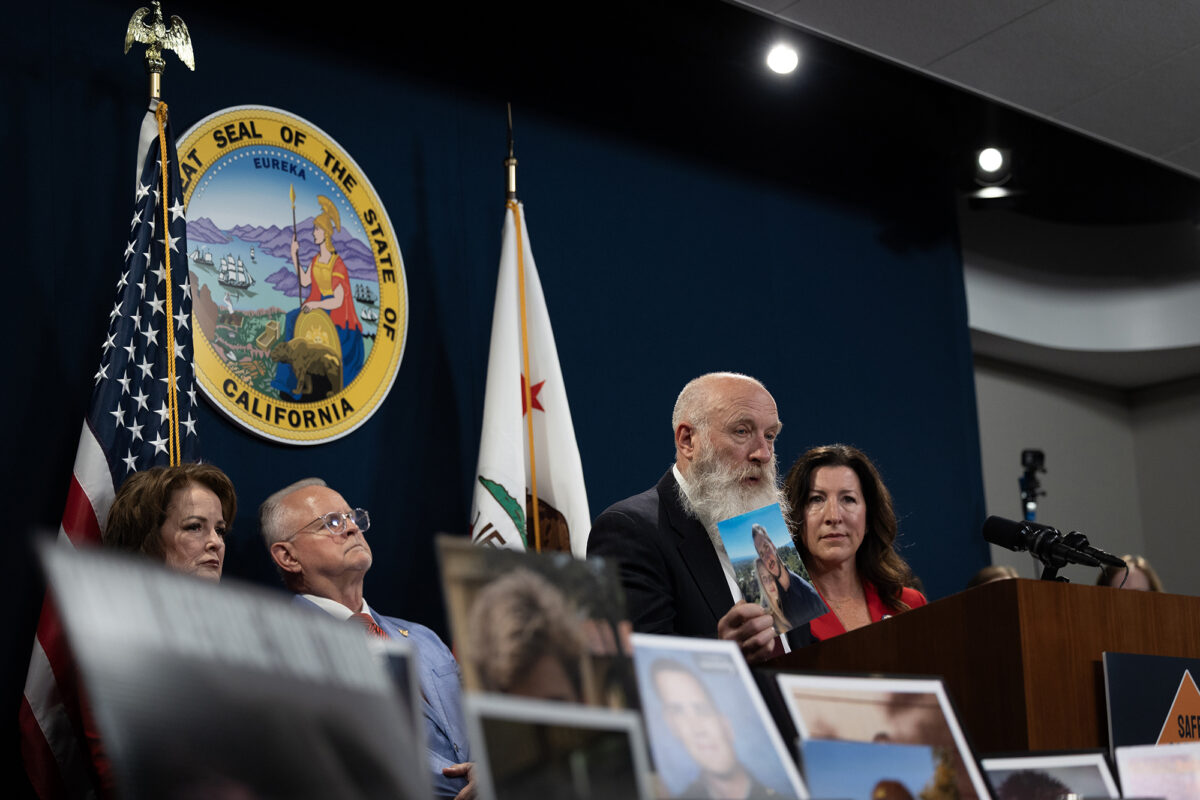
    A bipartisan coalition of California state lawmakers has introduced a comprehensive package of 10 bills aimed at curbing drunk driving and reducing traffic fatalities. As detailed in a recent report by CalMatters, the proposed legislation seeks to classify vehicular manslaughter with gross negligence as a violent felony, mandate in-car breathalyzers for all DUI offenders, and increase penalties for repeat offenders. This legislative push comes in response to a 50% spike in DUI-related deaths in California over the last decade, highlighting a critical need for stricter enforcement and safer roads., the proposed legislation seeks to classify vehicular manslaughter with gross negligence as a violent felony, mandate in-car breathalyzers for all DUI offenders, and increase penalties for repeat offenders. This legislative push comes in response to a 50% spike in DUI-related deaths in California over the last decade, highlighting a critical need for stricter enforcement and safer roads.

    While these laws aim to prevent tragedies, the reality of increased traffic fatalities underscores the urgent need for comprehensive estate planning. For California families, the unpredictability of road safety emphasizes why legal preparedness is not merely about asset distribution, but about protecting loved ones in the event of sudden incapacity or death.

    Wrongful Death and Estate Administration

    When a traffic fatality occurs due to another driver’s negligence, the victim’s family is often left navigating complex legal battles while grieving. In California, the personal representative of the deceased person’s estate is typically the individual responsible for bringing a wrongful death lawsuit.

    If the victim had a Living Trust or Will, they would have already designated this representative (a Trustee or Executor). However, if the victim died “intestate” (without a Will), the family must petition the Probate Court to appoint an administrator. This public, often lengthy court process can delay the family’s ability to seek justice and compensation for their loss. Establishing a clear estate plan ensures that the person you trust is immediately empowered to take legal action on behalf of your estate and beneficiaries., they would have already designated this representative (a Trustee or Executor). However, if the victim died “intestate” (without a Will), the family must petition the Probate Court to appoint an administrator. This public, often lengthy court process can delay the family’s ability to seek justice and compensation for their loss. Establishing a clear estate plan ensures that the person you trust is immediately empowered to take legal action on behalf of your estate and beneficiaries.

    Guardianship Nominations for Minor Children

    The CalMatters report highlights the heartbreaking stories of families left with “empty chairs” at the table. For parents of minor children, the risk of a fatal accident makes Guardianship Nominations one of the most critical aspects of an estate plan. one of the most critical aspects of an estate plan.

    If both parents are involved in a fatal accident or are incapacitated, and no guardian has been nominated in a valid Will, a judge who does not know the family will decide who raises the children. By executing a Will with clear guardianship provisions, parents retain the power to decide who will care for their children, ensuring they are raised by loved ones who share the parents’ values and parenting philosophies.

    Planning for Incapacity: Powers of Attorney

    Not all roadway collisions result in fatalities; many result in severe, incapacitating injuries. The proposed legislation notes the high frequency of injuries alongside deaths. If a victim is left in a coma or is otherwise unable to communicate, they cannot make medical or financial decisions for themselves.

    Without an Advance Health Care Directive and a Durable Power of Attorney, family members may be forced to seek a “conservatorship” through the courts to gain the legal authority to manage the victim’s medical care and pay their bills. These documents allow California residents to appoint agents to make these decisions immediately, without court intervention, ensuring bills are paid and medical preferences are honored during recovery., family members may be forced to seek a “conservatorship” through the courts to gain the legal authority to manage the victim’s medical care and pay their bills. These documents allow California residents to appoint agents to make these decisions immediately, without court intervention, ensuring bills are paid and medical preferences are honored during recovery.

    The “Watson Advisement” and Legal Liability

    One of the proposed bills involves expanding “Watson advisements.” In California, this refers to a formal warning given to DUI offenders stating that driving under the influence is dangerous to human life, and if they kill someone in a future DUI, they can be charged with murder.

    From a civil liability perspective, this acknowledgment of “implied malice” can have severe financial consequences. If a driver creates a liability through gross negligence or reckless behavior, their personal assets—including their home, savings, and investments—are at significant risk in civil court. While insurance provides a first line of defense, judgments in catastrophic injury or wrongful death cases often exceed policy limits. Comprehensive asset protection planning is essential for preserving a family’s financial legacy against unforeseen civil creditors.

    About This Case

    Source: ‘It’s time’: California leaders unveil biggest crackdown on drunk drivers in decades

    California Probate and Trust, PC Can Help

  • Free consultations: (866)-674-1130
    – Experienced California estate planning
    Schedule consultation
    – Learn more: cpt.law
  • Legal Disclaimer

    This article is for informational purposes only. Consult with a qualified California estate planning attorney for advice specific to your situation.

    Categories
    Estate Planning News

    Opinion | Here’s how Newsom’s spending binge outstripped revenues, creating California’s chronic deficit – California Legal Guide | CPT Law

    California Legal Implications: State Budget Deficits and Personal Estate Planning

    Recent analysis of the California state budget reveals a significant “structural deficit,” where state spending has consistently outpaced revenue growth. According to a report by CalMatters, the state faces annual deficits ranging from $20 billion to $35 billion, primarily because spending increased by 72% while revenues grew by only 60% over the last several years. This fiscal imbalance serves as a critical case study for California families and trustees regarding the importance of solvency, accurate financial forecasting, and the rigorous management of assets within an estate plan., the state faces annual deficits ranging from $20 billion to $35 billion, primarily because spending increased by 72% while revenues grew by only 60% over the last several years. This fiscal imbalance serves as a critical case study for California families and trustees regarding the importance of solvency, accurate financial forecasting, and the rigorous management of assets within an estate plan.

    The Fiduciary Duty to Maintain Solvency

    The news regarding the state’s budget highlights a concept that is central to trust administration: the prevention of waste and the maintenance of solvency. In the public sector, a structural deficit creates political challenges. In the context of a Living Trust or probate estate, spending more than the trust generates in income is a potential breach of fiduciary duty..

    Under the California Probate Code, a Trustee has a duty to administer the trust solely in the interest of the beneficiaries and to deal impartially with them. If a Trustee mimics the state’s current trajectory—spending principal assets to cover operational costs based on overly optimistic revenue projections—they risk depleting the estate. This can lead to litigation from beneficiaries who may claim the Trustee failed to act with reasonable care, skill, and caution.

    Forecasting and Asset Management

    The CalMatters article notes that the state’s deficit was exacerbated by an over-estimation of revenues by $165 billion. This error in forecasting highlights the need for conservative and flexible estate planning.

    When creating an estate plan, it is dangerous to assume that asset values will always rise or that income streams will remain permanent. A well-drafted Revocable Living Trust provides the flexibility needed to handle economic downturns. For example, specific bequests (gifts of specific dollar amounts) can be dangerous if the estate’s overall value drops; percentage-based distributions are often safer to ensure that a drop in asset value does not disinherit residuary beneficiaries. provides the flexibility needed to handle economic downturns. For example, specific bequests (gifts of specific dollar amounts) can be dangerous if the estate’s overall value drops; percentage-based distributions are often safer to ensure that a drop in asset value does not disinherit residuary beneficiaries.

    Preparing for Potential Tax Changes

    When the state faces a chronic deficit, it often looks for ways to balance the ledger. For California residents, significant state budget shortfalls can signal potential future aggression in tax collection or legislative changes to increase revenue.

    While California does not currently have a specific “inheritance tax,” the state is vigilant regarding:
    * Residency Audits: High-net-worth individuals attempting to leave the state to avoid taxes may face stricter scrutiny regarding their domicile status.
    * Property Tax Assessments: Strict enforcement of Proposition 19, which limits the ability to transfer low property tax bases to children, becomes crucial for state revenue. Strict enforcement of Proposition 19, which limits the ability to transfer low property tax bases to children, becomes crucial for state revenue.

    Estate planning attorneys can help families navigate these uncertainties by structuring trusts that minimize tax exposure and clearly define property rights, ensuring that families are prepared regardless of the state’s fiscal health.

    Spendthrift Protections for Beneficiaries

    The state’s “spending binge” described in the news serves as a warning for individual beneficiaries as well. Many estate plans include spendthrift clauses. These provisions prevent beneficiaries from pledging their inheritance to creditors and protect the trust assets from the beneficiaries’ own poor financial decisions.. These provisions prevent beneficiaries from pledging their inheritance to creditors and protect the trust assets from the beneficiaries’ own poor financial decisions.

    Just as the state is now grappling with the consequences of overspending, an heir who inherits a lump sum without restrictions may quickly deplete the funds. A trust can be structured to distribute assets over time or for specific needs (health, education, maintenance, and support), acting as a safeguard against the type of structural deficit currently plaguing the state budget.

    About This Case

    Source: Opinion | Here’s how Newsom’s spending binge outstripped revenues, creating California’s chronic deficit

    California Probate and Trust, PC Can Help

  • Free consultations: (866)-674-1130
    – Experienced California estate planning
    Schedule consultation
    – Learn more: cpt.law
  • Legal Disclaimer

    This article is for informational purposes only. Consult with a qualified California estate planning attorney for advice specific to your situation.

    Categories
    Estate Planning News

    Robert Duvall net worth after he died at 95: how did the seven-time Academy Award–nominated and Oscar-winn – California Legal Guide | CPT Law

    Even a short delay can create uncertainty for retirees budgeting for next year — especially amid rising costs for medications, housing, and utilities.

    The Bureau of Labor Statistics is expected to release the delayed September CPI-W data on October 24, 2025. Once those numbers are public, the Social Security Administration will likely announce the official 2026 COLA percentage within 48 hours.

    Beneficiaries will receive notifications about their new benefit amounts in December, and the adjusted payments will begin with January’s disbursement schedule.

    Until then, Americans are watching closely — because a single percentage point in the COLA figure can translate into billions of dollars in additional benefits nationwide. For retirees on fixed incomes, that number matters more than ever.

    (Catch all the US News, UK News, Canada News, International Breaking News Events, and Latest News Updates on The Economic Times.)

    Download The Economic Times News App to get Daily International News Updates.

    …more

    Robert Duvall’s $70 Million Legacy: Estate Planning for Royalties and Complex Assets

    California Legal Implications: Managing High-Net-Worth Estates and Intellectual Property

    Legendary actor Robert Duvall passed away at age 95 on February 15, 2026, leaving behind an estimated net worth of $70 million. As reported by The Economic Times, Duvall’s wealth was built over a seven-decade career, including royalties from massive hits like *The Godfather* and *Apocalypse Now*, as well as a production company and significant real estate holdings. He is survived by his wife, Luciana Pedraza, and had no children., Duvall’s wealth was built over a seven-decade career, including royalties from massive hits like *The Godfather* and *Apocalypse Now*, as well as a production company and significant real estate holdings. He is survived by his wife, Luciana Pedraza, and had no children.

    For California residents, Duvall’s estate illustrates several critical estate planning concepts: the management of intellectual property (residuals), the importance of privacy for high-net-worth individuals, and planning for spousal inheritance in the absence of children.

    Estate Planning for Actors and Artists: Handling Residuals

    One of the most distinct aspects of Duvall’s estate is the inclusion of ongoing income streams from film residuals and royalties. In California, which is home to the entertainment industry, estate planning often involves Intellectual Property (IP) rights. rights.

    If an actor or writer passes away without a Trust, their future royalties may become subject to Probate, a public and costly court process. To avoid this, California estate planning attorneys often assist clients in assigning their rights to residuals, copyrights, and image rights into a Revocable Living Trust. This ensures that the income continues to flow to beneficiaries—such as a surviving spouse—without court intervention or interruption.. This ensures that the income continues to flow to beneficiaries—such as a surviving spouse—without court intervention or interruption.

    Privacy and the Revocable Living Trust

    The news report highlights that Duvall maintained a private lifestyle away from the Hollywood glare. For individuals who value privacy, a Will is often insufficient because it becomes a public record once admitted to probate court. This means the public can view the value of the assets and the identity of the beneficiaries. is often insufficient because it becomes a public record once admitted to probate court. This means the public can view the value of the assets and the identity of the beneficiaries.

    In contrast, a Trust is a private document. In California, administering a Trust generally does not require public filings regarding the specific assets or their value. For a $70 million estate, maintaining this privacy is often a primary goal to protect beneficiaries from scams and unwanted public scrutiny.

    Spousal Inheritance and Asset Distribution

    Duvall was married but had no children. While this simplifies the heirship structure compared to blended families with children from previous marriages, it still requires deliberate planning. In California, if a spouse passes away without an estate plan (intestate), the distribution of assets depends on whether the property is characterized as Community Property or Separate Property..

    Even when the spouse is the sole intended heir, having a comprehensive estate plan prevents potential challenges from distant relatives and ensures that tax mitigation strategies are in place. For estates over the federal exemption limit, proper Trust planning can also help minimize Federal Estate Taxes, preserving more of the wealth for the surviving spouse or charitable causes.

    Professional Management of Business Assets

    Duvall owned a production company, *Butcher’s Run Films*. Business interests add a layer of complexity to estate administration. A standard Executor may not have the expertise to manage or sell a production company.

    In California, business owners often utilize specific succession planning within their Trusts. This may involve appointing a Special Trustee with industry knowledge to handle the business assets while a family member handles personal matters. This division of labor ensures that the value of the business is preserved during the transition period. with industry knowledge to handle the business assets while a family member handles personal matters. This division of labor ensures that the value of the business is preserved during the transition period.

    About This Case

    Source: Robert Duvall Net Worth: How the Oscar-Winning Godfather and Apocalypse Now Star Built a $50–$70 Million Fortune

    California Probate and Trust, PC Can Help

    – Free consultations: (866)-674-1130
    – Experienced California estate planning
    Schedule consultation
    – Learn more: cpt.law

    Legal Disclaimer

    This article is for informational purposes only. Consult with a qualified California estate planning attorney for advice specific to your situation.

    Categories
    Estate Planning News

    The RMD Hack That Can Save Retirees Thousands – California Legal Guide | CPT Law

    California Legal Implications: Integrating RMD Strategies with Estate Planning

    As highlighted in a recent MSN Money article, retirees with traditional IRAs or 401(k)s often face a tax burden due to Required Minimum Distributions (RMDs). These mandatory withdrawals can increase taxable income, potentially triggering taxes on Social Security benefits and increasing Medicare premiums. The article suggests utilizing Qualified Charitable Distributions (QCDs)—transferring funds directly from an IRA to a qualified charity—to satisfy RMD requirements without increasing taxable income., retirees with traditional IRAs or 401(k)s often face a tax burden due to Required Minimum Distributions (RMDs). These mandatory withdrawals can increase taxable income, potentially triggering taxes on Social Security benefits and increasing Medicare premiums. The article suggests utilizing Qualified Charitable Distributions (QCDs)—transferring funds directly from an IRA to a qualified charity—to satisfy RMD requirements without increasing taxable income.

    For California residents, this financial strategy highlights the critical intersection between tax planning, charitable giving, and comprehensive estate planning. While the QCD is a powerful tool for income tax reduction during one’s lifetime, it also opens the door to broader conversations about legacy planning and asset protection.

    Strategic Asset Allocation for Heirs

    The strategy of using IRA funds for charitable giving aligns perfectly with smart estate planning in California. Retirement accounts like traditional IRAs are often the least tax-efficient assets to leave to individual heirs. When a non-spouse beneficiary inherits a traditional IRA, they are generally required to empty the account within 10 years, paying income tax on every dollar withdrawn.

    By utilizing RMDs for charitable giving during your lifetime (via QCDs) or designating charities as the beneficiaries of these accounts upon death, you reduce the tax burden on your estate. This allows you to preserve more tax-favorable assets—such as real estate or brokerage accounts that receive a “step-up in basis”—for your children or other beneficiaries.

    Power of Attorney and Charitable Intent

    A critical legal aspect often overlooked regarding RMDs and charitable giving is mental capacity. If a retiree becomes incapacitated, they rely on an agent appointed through a Durable Power of Attorney to manage their finances. to manage their finances.

    However, in California, a generic Power of Attorney may not automatically grant the agent the authority to make charitable donations or continue a pattern of giving like QCDs. If your estate plan does not explicitly authorize your agent to make gifts or charitable contributions, they may be legally barred from executing these tax-saving strategies on your behalf if you become unable to do so yourself. Updating your estate planning documents ensures your tax strategies continue uninterrupted.

    Advanced Charitable Planning: Beyond the QCD

    For families with significant assets or those who have reached the annual QCD limits mentioned in the news report, a California estate planning attorney can suggest more robust vehicles.

    * Charitable Remainder Trusts (CRTs): These allow you to place highly appreciated assets into a trust, receive an income stream for life, and leave the remainder to charity, providing both income tax deductions and capital gains avoidance.
    * Donor-Advised Funds: While QCDs generally cannot go directly to a Donor-Advised Fund, proper estate planning can structure your assets to maximize the utility of these funds for future generations’ philanthropic goals. While QCDs generally cannot go directly to a Donor-Advised Fund, proper estate planning can structure your assets to maximize the utility of these funds for future generations’ philanthropic goals.

    About This Case

    Source: The RMD Hack That Can Save Retirees Thousands

    California Probate and Trust, PC Can Help

    – Free consultations: (866)-674-1130
    – Experienced California estate planning
    Schedule consultation
    – Learn more: cpt.law

    Legal Disclaimer

    This article is for informational purposes only. Consult with a qualified California estate planning attorney for advice specific to your situation.

    Categories
    News Trusts

    MLBPA executive director Tony Clark is expected to resign: Sources – The Athletic – California Legal Guide | CPT Law

    California Legal Implications: Fiduciary Duties and Leadership Succession

    Following reports of a federal investigation regarding the alleged misuse of funds, Tony Clark is expected to resign as executive director of the Major League Baseball Players Association (MLBPA). As detailed in The Athletic, the union is now scrambling to find leadership ahead of critical labor negotiations. The investigation reportedly focuses on whether licensing money or equity was used to enrich leadership, alongside discrepancies regarding spending within a for-profit arm of the union., the union is now scrambling to find leadership ahead of critical labor negotiations. The investigation reportedly focuses on whether licensing money or equity was used to enrich leadership, alongside discrepancies regarding spending within a for-profit arm of the union.

    While this story plays out on a national stage involving professional sports, the core legal issues—fiduciary duty, financial transparency, and leadership succession—are central to California estate planning and trust administration. For families, the “union leader” is the Trustee, and the “players” are the beneficiaries. When a Trustee fails to act in the best interest of the beneficiaries or resigns unexpectedly, it can cause significant legal and financial turmoil.. When a Trustee fails to act in the best interest of the beneficiaries or resigns unexpectedly, it can cause significant legal and financial turmoil.

    The Duty of Loyalty and Self-Dealing

    The investigation into the MLBPA leadership reportedly involves questions of whether individuals used funds to “enrich themselves.” In California Probate law, this touches upon the most fundamental obligation of a Trustee: the Duty of Loyalty..

    Under California law, a Trustee has a strict legal obligation to administer the Trust solely in the interest of the beneficiaries. This means a Trustee cannot engage in self-dealing, which occurs when a fiduciary uses trust assets for their own personal gain or profit. Common examples of self-dealing in estate planning include:
    * Borrowing money from the Trust without proper authorization.
    * Selling Trust property to themselves at below-market rates.
    * Charging excessive fees for their services., which occurs when a fiduciary uses trust assets for their own personal gain or profit. Common examples of self-dealing in estate planning include:
    * Borrowing money from the Trust without proper authorization.
    * Selling Trust property to themselves at below-market rates.
    * Charging excessive fees for their services.

    If a Trustee is found to have breached this duty, they can be removed by the court and held personally liable to repay any losses or profits made from the misuse of assets.

    Financial Transparency and the Duty to Account

    The news report highlights a discrepancy in spending reporting, noting that one organization spent nearly $10 million despite claiming significantly less. In the context of a California Trust, this underscores the importance of the Duty to Account..

    Trustees are required to keep the beneficiaries reasonably informed about the Trust and its administration. This usually involves providing an annual accounting, which is a detailed report showing:
    * Assets held by the Trust.
    * Income earned.
    * Expenses paid.
    * Distributions made to beneficiaries., which is a detailed report showing:
    * Assets held by the Trust.
    * Income earned.
    * Expenses paid.
    * Distributions made to beneficiaries.

    When financial records are murky or spending does not add up, beneficiaries have the right to petition the Probate Court to compel an accounting. Transparency is the primary safeguard against mismanagement.

    Successor Trustees and Business Continuity

    The resignation of the MLBPA executive director has left the union “scrambling” during a critical time. In estate planning, this is known as a failure of succession planning..

    A comprehensive Revocable Living Trust must clearly designate a Successor Trustee—the person or entity who steps in if the original Trustee becomes incapacitated, passes away, or resigns. Without a clear line of succession, the Trust can become paralyzed. This often forces the family into court to have a judge appoint a new Trustee, a process that is public, expensive, and time-consuming.—the person or entity who steps in if the original Trustee becomes incapacitated, passes away, or resigns. Without a clear line of succession, the Trust can become paralyzed. This often forces the family into court to have a judge appoint a new Trustee, a process that is public, expensive, and time-consuming.

    Effective estate planning ensures that if a Trustee steps down, the transition of power is seamless, ensuring that assets are managed and beneficiaries are protected without interruption.

    About This Case

    Source: MLBPA executive director Tony Clark is expected to resign: Sources

    California Probate and Trust, PC Can Help

    Ensuring your chosen fiduciaries understand their duties, or holding a Trustee accountable for mismanagement, requires experienced legal counsel. We assist families with estate planning, trust administration, and probate litigation.

  • Free consultations: (866)-674-1130
    – Experienced California estate planning
    Schedule consultation
    – Learn more: cpt.law
  • Legal Disclaimer

    This article is for informational purposes only. Consult with a qualified California estate planning attorney for advice specific to your situation.

    Categories
    Estate Planning News

    Driver Hospitalized After Crashing Into Roseville Home: What California Families Should Know About Liability, Insurance, and Estate Protection

    A shocking vehicle-into-home accident in Roseville raises urgent questions about liability, asset protection, and what California homeowners and drivers need to know when the unexpected happens.

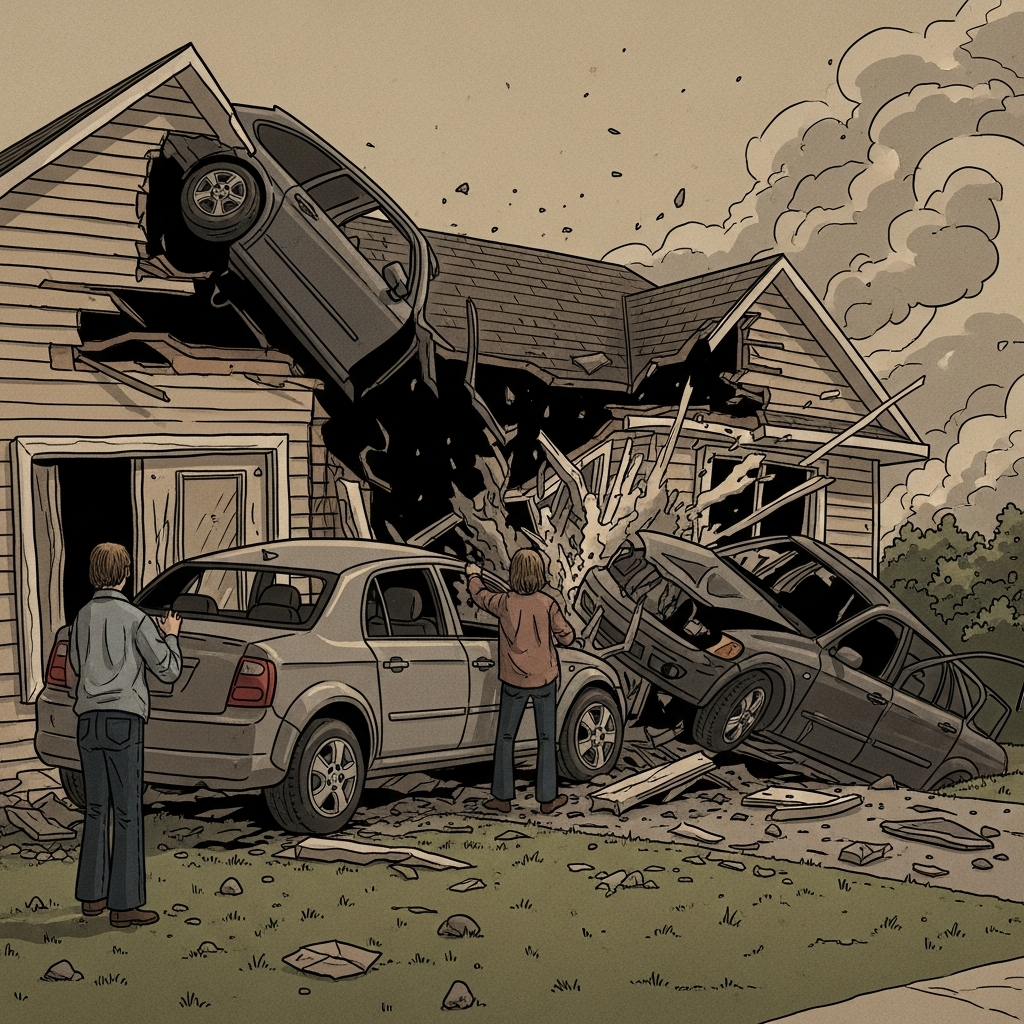
    On 2026-02-17, a driver crashed into a residential home in Roseville, California, resulting in hospitalization and significant property damage. The incident, reported by FOX40, has left neighbors shaken and raised critical concerns about liability, insurance coverage, and long-term financial protection for both homeowners and drivers involved in such accidents.

    For California residents managing property, family assets, or aging loved ones, this tragedy underscores the importance of proactive legal planning—not just for end-of-life matters, but for protecting your estate and family from unexpected catastrophic events.

    What Happened in the Roseville Vehicle-Into-Home Crash?

    According to FOX40’s report, emergency responders arrived at the scene to find a vehicle lodged into a residential structure. The driver was transported to a local hospital, though their current condition has not been publicly disclosed. The extent of the property damage and whether any residents were injured remains under investigation.

    This type of accident—while rare—can create a cascade of legal, financial, and emotional consequences for everyone involved:

  • Homeowners may face structural damage, insurance disputes, and liability questions if the driver or their family pursues claims.
  • Drivers and their families may be held liable for property damage, medical bills, and other costs—potentially exposing personal assets to lawsuits.
  • Family members of incapacitated or deceased parties may be forced to navigate probate, estate administration, and financial chaos during an already traumatic time.
  • Who Is This Article For?

    This article is for California homeowners, drivers, and families who want to understand:

  • What legal and financial risks arise when a vehicle crashes into a home
  • How to protect your assets and estate from catastrophic accidents
  • What steps you can take now to shield your family from liability and probate complications
  • How California Probate and Trust, PC helps residents navigate these complex situations with transparency and compassion
  • Common Questions California Residents Ask After Vehicle-Into-Home Accidents

    1. Who pays when a driver crashes into a home in California?

    Liability typically falls on the at-fault driver. Their auto insurance policy should cover property damage and injuries under their liability coverage. However, coverage limits, policy exclusions, and disputes over fault can complicate matters.

    If the driver is uninsured or underinsured:

  • The homeowner’s insurance may cover repairs under their property policy
  • The homeowner may need to sue the driver personally to recover costs—potentially leading to liens on the driver’s assets, including real estate, bank accounts, and even trust assets if improperly structured
  • 2. Can my home or estate be at risk if I’m found liable in an accident?

    Yes. If you’re the at-fault driver and your insurance doesn’t fully cover the damages, the homeowner can sue you personally. This means:

  • Your personal assets—home, savings, retirement accounts—could be seized to satisfy a judgment
  • If you pass away before resolving the claim, your estate may be forced into probate, where creditors (including accident victims) can make claims against your assets
  • Your heirs could inherit debt, legal battles, and reduced inheritances
  • Solution: Properly structured trusts and asset protection strategies can shield certain assets from creditors and ensure your family isn’t left vulnerable.

    3. What happens if the driver dies in the accident or shortly after?

    If the driver passes away:

  • Their estate may be held liable for damages
  • The estate will likely enter probate—a public, costly, and time-consuming court process
  • Creditors (including the homeowner) can file claims against the estate before heirs receive any inheritance
  • Family members may face lawsuits, emotional distress, and financial uncertainty
  • How a revocable living trust helps: Assets held in a properly funded trust avoid probate, provide privacy, and can include protections for heirs. California Probate and Trust, PC has helped thousands of California families structure trusts that protect loved ones from these exact scenarios.

    How California Probate and Trust, PC Protects Your Family After Unexpected Accidents

    At California Probate and Trust, PC, we specialize in helping California residents safeguard their homes, assets, and families from the legal and financial fallout of unexpected events—including catastrophic accidents like the Roseville crash.

    Our Services Include:

  • Revocable Living Trusts: Avoid probate, protect assets from creditors, and ensure seamless transfer of wealth to your heirs
  • Asset Protection Planning: Shield your home, savings, and investments from lawsuits and liability claims
  • Power of Attorney Packages: Ensure someone you trust can make financial and healthcare decisions if you’re incapacitated after an accident
  • Probate Administration: If a loved one passes away and their estate enters probate, we guide you through every step with transparency and compassion
  • Estate Litigation Prevention: Proactively structure your estate to minimize disputes, creditor claims, and family conflict
  • Why California Families Trust Us:

  • 1,000+ clients served from our offices in Fair Oaks, Sacramento, and San Francisco
  • Free, no-obligation consultations to assess your needs and explore solutions
  • Transparent, flat-fee estate planning packages—no surprise bills or hidden costs
  • Certified Estate Planning Specialists with decades of combined experience
  • Real-World Case Study: How Poor Planning Can Devastate Families

    Consider this scenario:

    John, a 62-year-old Roseville resident, crashes his vehicle into a neighbor’s home after suffering a medical emergency. He’s hospitalized and passes away two weeks later. John had no trust, no updated will, and minimal insurance coverage.

    The fallout:

  • The homeowner sues John’s estate for $200,000 in damages
  • John’s estate enters probate, which takes 18 months and costs his family $25,000 in legal fees
  • The homeowner’s claim is paid from John’s estate before his children receive anything
  • John’s children inherit far less than expected—and face emotional trauma navigating the process
  • How proper planning would have helped:

  • A funded revocable living trust would have avoided probate entirely
  • Asset protection strategies could have shielded certain assets from creditor claims
  • His family would have had clear instructions, financial security, and peace of mind
  • 5 Steps California Homeowners and Drivers Should Take Now

    1. Review your auto and homeowners insurance coverage

    Ensure your liability limits are adequate. Many California drivers carry only the state minimum ($15,000 for property damage), which may not cover the full cost of a home crash.

    2. Create or update your estate plan

    If you don’t have a revocable living trust, now is the time. Protect your assets, avoid probate, and ensure your family isn’t left vulnerable.

    3. Establish durable powers of attorney

    Designate someone to make financial and healthcare decisions if you’re incapacitated after an accident.

    4. Consider umbrella insurance

    Umbrella policies provide additional liability coverage beyond your auto and home insurance—often $1 million or more for a low annual premium.

    5. Consult with an experienced California estate planning attorney

    Don’t wait until tragedy strikes. California Probate and Trust, PC offers free consultations to help you understand your risks and explore solutions tailored to your family’s needs.

    Take Control of Your Family’s Future Today

    The Roseville vehicle-into-home crash is a stark reminder that life is unpredictable—and that failing to plan can have devastating consequences for your family, your assets, and your legacy.

    Whether you’re a homeowner worried about liability, a driver concerned about protecting your estate, or a family member navigating the aftermath of an accident, California Probate and Trust, PC is here to help.

    📞 Call us today at (866) 674-1130 or schedule your FREE consultation at cpt.law

    Our compassionate, experienced attorneys will walk you through your options, answer your questions, and develop a personalized plan to protect what matters most.


    Legal Disclaimer

    This article is provided for informational purposes only and does not constitute legal advice. The information contained herein is based on general legal principles and may not apply to your specific situation. Laws vary by jurisdiction and are subject to change. For advice tailored to your unique circumstances, please consult with a qualified California estate planning attorney. California Probate and Trust, PC does not represent any parties involved in the Roseville vehicle-into-home accident described in this article. No attorney-client relationship is formed by reading this article or contacting our firm for a consultation.


    Sources:

  • FOX40: Driver Hospitalized After Crashing Into Roseville Home
  • California Probate and Trust, PC: Sacramento Estate Planning Attorney
  • Categories
    Estate Planning News

    IRS Alert: How California Residents Can Claim a New Tax Deduction Worth Up to $10,000—And Why Estate Planning Matters More Than Ever

    Source: AL.com – IRS Alert: How to Claim New Tax Deduction Worth Up to $10,000

    If you’re a California resident managing assets, navigating tax season, or planning for your family’s financial future, this IRS announcement could save you thousands—and it’s a reminder that proactive financial and legal planning protects what matters most.

    Who Is This For?

    This update is essential for:

  • California residents looking to maximize tax savings while protecting their estates
  • Families concerned about preserving wealth and minimizing tax burdens for the next generation
  • Anyone managing California-based assets who values transparency, family protection, and financial security
  • Individuals feeling anxious about the complexity of tax law and estate planning—and seeking a trusted, one-stop solution
  • What’s the New Tax Deduction?

    The IRS has announced a new tax deduction that could reduce your taxable income by up to $10,000. While details are still emerging, early reports suggest this deduction is designed to help taxpayers offset specific qualifying expenses.

    Key Points About the Deduction:

  • Eligibility: The deduction is available to qualifying taxpayers who meet specific income and expense criteria. California residents managing estates, trusts, or significant assets may benefit significantly.
  • Documentation Required: To claim the deduction, you’ll need organized records of qualifying expenses, including receipts, invoices, and supporting paperwork.
  • Deadline Sensitivity: The IRS emphasizes the importance of timely filing. Missing deadlines could mean losing out on this valuable deduction.
  • Integration with Estate Planning: For those with complex estates, this deduction can work hand-in-hand with strategic estate planning to minimize overall tax liability.
  • How Can I Claim This Deduction? A Step-by-Step Guide

    Claiming the new tax deduction requires careful preparation. Here’s how to get started:

    Step 1: Gather Your Documentation

    Collect all relevant records that support your claim, including:

  • Receipts for qualifying expenses
  • Invoices and payment confirmations
  • Any correspondence with financial institutions or legal advisors
  • Step 2: Review IRS Guidelines

    Visit the official IRS website for detailed instructions on eligibility, qualifying expenses, and the claiming process. The IRS updates guidance regularly, so check back often.

    Step 3: Consult a Tax Professional

    Given the complexity of tax law—especially for California residents managing estates or trusts—working with a qualified tax advisor or estate planning attorney is critical. They can:

  • Ensure you meet all eligibility requirements
  • Identify additional deductions or credits you may qualify for
  • Help you avoid costly mistakes or missed deadlines
  • Step 4: File on Time

    Don’t wait until the last minute. The IRS is strict about deadlines, and late filings could disqualify you from claiming the deduction.

    Why This Matters for Estate Planning

    If you’re managing California-based assets or planning for your family’s future, this tax deduction is more than just a short-term savings opportunity—it’s a signal that tax law is constantly evolving, and staying ahead requires proactive planning.

    Real-World Use Case:

    Imagine you’re a California resident with a revocable living trust, multiple properties, and a family you want to protect. You’re already concerned about:

  • How to minimize estate taxes
  • How to avoid probate and its associated costs
  • How to ensure your assets are distributed according to your wishes
  • This new IRS deduction could reduce your immediate tax burden, freeing up resources to invest in comprehensive estate planning strategies—like updating your trust, creating a durable power of attorney, or establishing healthcare directives.

    How California Probate and Trust, PC Can Help

    At California Probate and Trust, PC, we understand that navigating tax law and estate planning can feel overwhelming. That’s why we offer a free, no-obligation consultation to help you:

  • Understand how this new tax deduction applies to your situation
  • Develop a comprehensive estate plan that protects your family and minimizes tax liability
  • Navigate probate, trusts, wills, and powers of attorney with confidence
  • Our experienced estate planning attorneys serve California residents from our offices in Fair Oaks, Sacramento, and San Francisco. We’ve helped thousands of clients protect what matters most—and we’re here to help you, too.

    What Sets Us Apart:

  • Compassionate, Client-Focused Service: We take the time to understand your family dynamics and unique needs.
  • Transparent Pricing: Clear, upfront estate planning packages with no hidden fees.
  • One-Stop-Shop Expertise: We handle both the legal structure and financial management aspects of estate planning.
  • Proven Results: We’ve represented thousands of clients and have a track record of successful outcomes.
  • Common Questions About the New Tax Deduction

    Q: Who qualifies for this deduction?

    A: Eligibility depends on specific income and expense criteria set by the IRS. California residents managing estates, trusts, or significant assets may benefit most. Consult the IRS website or a tax professional for details.

    Q: What expenses qualify?

    A: The IRS has not yet released a complete list, but qualifying expenses may include certain legal, financial, or administrative costs. Keep all documentation and consult a professional.

    Q: Can I claim this deduction if I’ve already filed my taxes?

    A: If you’ve already filed for the current tax year, you may be able to amend your return. Speak with a tax advisor to explore your options.

    Q: How does this deduction interact with estate planning?

    A: Strategic estate planning can help you maximize tax benefits—including this new deduction—while protecting your family’s financial future. An estate planning attorney can show you how.

    Take Action Today: Protect Your Family and Maximize Your Savings

    This IRS alert is a reminder that proactive planning pays off. Whether you’re looking to claim this new tax deduction, update your estate plan, or simply gain peace of mind, now is the time to act.


    Legal Disclaimer

    This article is provided for informational purposes only and does not constitute legal, tax, or financial advice. Tax laws are complex and subject to change. The information presented here is based on publicly available sources, including the AL.com article referenced above, and should not be relied upon as a substitute for professional consultation.

    California Probate and Trust, PC does not provide tax preparation services. We recommend consulting with a qualified tax professional or CPA to determine your eligibility for any deductions and to ensure compliance with IRS regulations. Estate planning strategies should be tailored to your individual circumstances and goals.

    No attorney-client relationship is formed by reading this article or visiting our website. For personalized legal advice, please schedule a consultation with one of our licensed attorneys.