Categories
Estate Planning Trusts

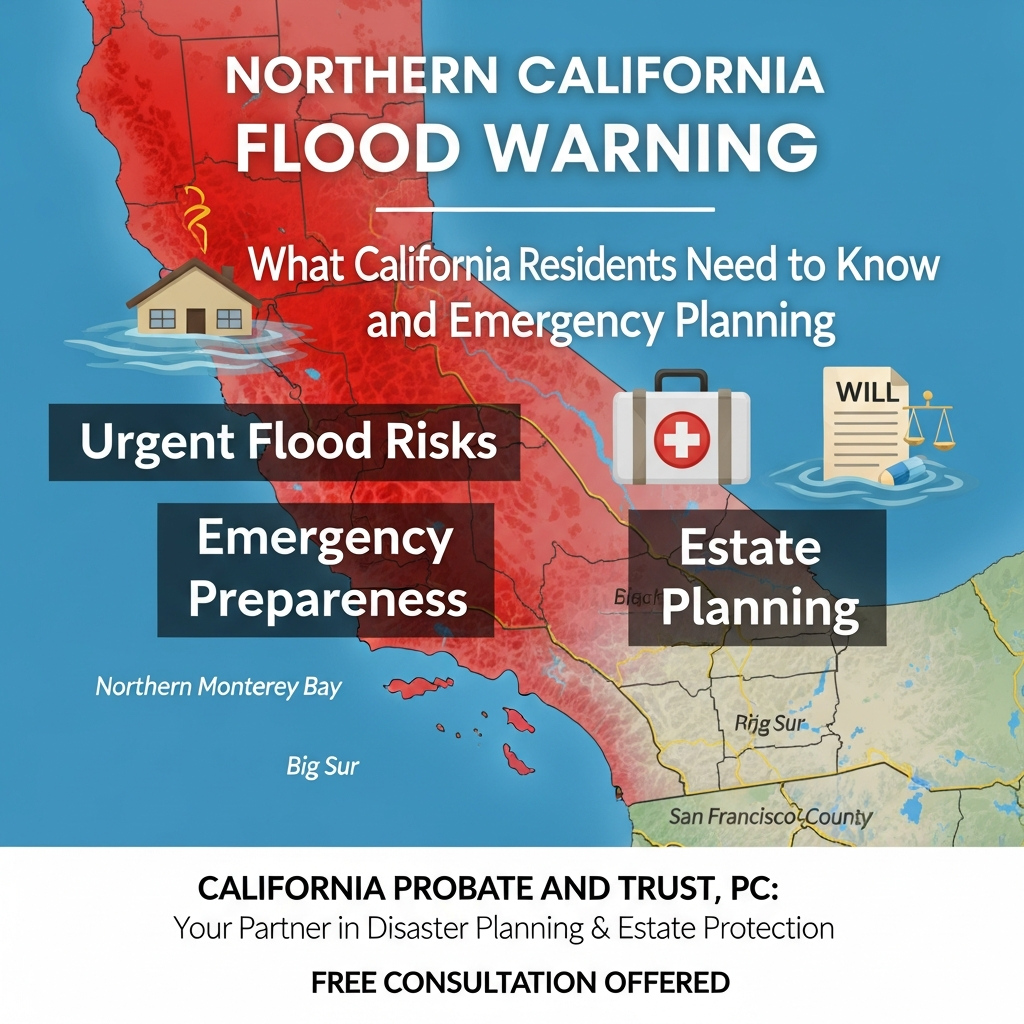
Is Your Estate Disaster-Ready? A Critical Guide for Business Owners and Professionals

For business owners and professionals who have built substantial wealth through property ownership, investments, and business operations, estate planning goes beyond simply having documents in place. As recent disasters—from Hurricane Katrina’s 20-year legacyto the devastating Los Angeles wildfires—have demonstrated, the estates you’ve worked to build can be compromised or lost entirely without proper disaster preparedness integrated into your estate plan.

This comprehensive guide addresses critical questions: How can you protect your business operations if you become incapacitated? Is your property adequately insured to rebuild after a catastrophe? Will your trust and power of attorney documents function properly when disaster strikes?

Why Business Owners Need Disaster-Ready Estate Plans

Business owners and professionals face unique vulnerabilities when disaster strikes. Unlike traditional employees, your income, investments, and family wealth are often tied directly to property assets and business operations that can be devastated by catastrophic events. Without proper planning, a single disaster can:

  • Halt business operations indefinitely if you’re incapacitated and lack a proper Durable Power of Attorney (DPOA)
  • Destroy generational wealth if property is underinsured
  • Create administrative nightmares if trusts aren’t properly named on insurance policies
  • Result in permanent loss of critical business and estate documents

The Hidden Danger: Is Your Property Underinsured?

One of the most overlooked risks in estate planning is property underinsurance. As housing prices and reconstruction costs rise, many homeowners discover too late that their insurance coverage falls dramatically short of actual replacement costs.

What business owners need to know:

  • Insurance replacement cost estimates often lag behind actual rebuilding costs. Annual letters from insurers stating replacement cost coverage may not reflect current construction expenses in your market.
  • Mortgage-free properties may lack adequate coverage. Many families who’ve paid off mortgages have reduced or eliminated homeowner’s insurance, exposing substantial assets to total loss.
  • Standard policies may exclude catastrophic events. Depending on your location, floods and fires may require separate coverage that your current policy doesn’t include.

California-specific solutions for high-risk areas:

  • The California Department of Insurance provides assessment tools to evaluate whether supplemental flood insurance is appropriate for your property
  • The California FAIR Plan offers insurance options for homeowners in high fire-risk areas where traditional insurers have declined coverage
  • Difference in Conditions (DIC) policies can supplement FAIR Plan coverage to include water damage, theft, and liability protection—creating comprehensive coverage comparable to traditional policies

Critical Trust Administration Issue: Is Your Trust Properly Named on Insurance Policies?

For business owners who have transferred property into trusts for estate planning purposes, a critical—and often overlooked—issue can create devastating delays and complications during disasters: failing to properly name the trust on homeowner’s insurance policies.

The problem: When a trust is not listed as a named or additional insured on a homeowner’s policy, insurance companies will issue claim checks directly to the settlor/homeowner rather than the trust. This creates multiple problems:

  • If the homeowner is hospitalized or incapacitated, they may be unable to cash checks or coordinate repairs
  • If the homeowner dies, trustees must navigate complex processes (Probate Code section 13100 Affidavit or Heggstad petition) to get checks reissued, causing significant delays
  • Delays in accessing insurance proceeds can allow initial damage to worsen—turning a water heater leak into extensive mold damage
  • Insurance companies may deny coverage entirely if they weren’t notified about the property’s transfer to a trust

Best practice for business owners: When you record a trust transfer deed, immediately update your homeowner’s insurance policy to list the trust as either a named insured or additional insured, and notify your mortgage holder.

Potential complication: Some mortgage holders may mistakenly treat a trust transfer as a sale and attempt to invoke due-on-sale clauses. However, you’re protected under the Garn-St. Germain Act, which specifically allows transfers to revocable trusts without triggering such clauses.

The Durable Power of Attorney: Your Business Continuity Safeguard

For business owners and professionals, a Durable Power of Attorney (DPOA) is not just an estate planning document—it’s a critical business continuity tool. If you become incapacitated due to injury, illness, or disaster-related circumstances, a properly drafted DPOA ensures that:

  • Someone you trust can manage business operations, sign contracts, and make investment decisions
  • Your agent can coordinate insurance claims and property repairs on your behalf
  • Business accounts remain accessible and operational
  • Time-sensitive business decisions can proceed without court intervention

Without a DPOA, your family or business partners may face costly and time-consuming conservatorship proceedings to gain authority to act on your behalf—potentially crippling business operations during a critical period.

Document Backup: Protecting Your Estate Planning Infrastructure

Physical disasters can destroy the very documents that protect your estate and enable your plans to function. Business owners should maintain secure cloud backups of:

  • All estate planning documents (trusts, wills, powers of attorney, advance healthcare directives)
  • Historical insurance policy documentation—particularly important if you’ve changed insurers
  • Property deeds and title documents
  • Business formation documents and operating agreements
  • Key contracts and financial records

If physical records are destroyed in a disaster, digital backups ensure you can still produce necessary documentation to insurance companies, courts, and other parties.

Comprehensive Disaster Preparedness Resources

For additional steps to determine if your estate is disaster-ready and access planning resources, visit https://www.ready.gov/september.

Take Action: Schedule Your Free Estate Planning Consultation

Don’t wait until disaster strikes to discover gaps in your estate plan. California Probate and Trust specializes in comprehensive estate planning for business owners and professionals, including:

  • Durable Power of Attorney tailored to business continuity needs
  • Trust administration review to ensure proper insurance policy naming
  • Asset protection structures that safeguard your wealth across multiple scenarios
  • Comprehensive estate plans that account for catastrophic risk

We offer FREE one-hour consultations to assess your current situation and identify vulnerabilities in your disaster preparedness and estate planning. Our experienced attorneys serve clients throughout California from offices in Fair Oaks, Sacramento, and San Francisco.

Contact California Probate and Trust today at (866) 674-1130 or visit cpt.law to schedule your free consultation.

Protect what you’ve built. Secure your family’s future. Ensure your business continuity—even in the face of disaster.

Source: Original article published September 18, 2025 by Jennifer E. Dean. © The Regents of the University of California, 2026.

Categories
Estate Planning California Probate

California Probate Law Changes 2026: What Executors and Personal Representatives Must Know About New Notice Requirements

If you’ve been named as an executor or personal representative in California, you’re facing new legal obligations starting January 1, 2026. Understanding these changes is critical to avoid personal liability and fulfill your fiduciary duties properly.

What Changed in California Probate Law?

Two significant pieces of legislation—AB 1521(the Judiciary Omnibus Bill) and AB 565—have fundamentally altered probate notice requirements in California. These changes took effect on January 1, 2026, and apply to all estates with letters issued on or after that date.

Critical New Requirement: Notice to Department of Child Support Services

As a personal representative, you now have a fourth mandatory notice requirement under California Probate Code section 9202. Here’s what you need to know:

  • Who must receive notice: The Director of the Department of Child Support Services (DCSS)
  • When it applies: If you know or have reason to believe the deceased had an existing child support obligation before death
  • Time limit for claims: DCSS has four months from the date of notice to file claims against the estate
  • Significance: This is the first major addition to these notice provisions since 2007

Important distinction: Unlike some other notice requirements, this provision applies only to child support obligations of the decedent themselves—not their heirs or beneficiaries.

What Are the Other Required Notices?

In addition to the new DCSS requirement, personal representatives must continue providing notice to:

  1. Department of Health Care Services
  2. Director of the Victim Compensation Board
  3. Franchise Tax Board

All four notices must be served upon issuance of letters to a personal representative.

Streamlined Trust and Estate Administration: Changes to Probate Code Section 15804

AB 565 repealed and recast Probate Code section 15804, creating new efficiencies for executors and trustees dealing with contingent beneficiaries.

What Does This Mean for You as an Executor?

Previously, dealing with contingent interests often required appointing a guardian ad litem (GAL), adding complexity and delay to estate proceedings. The new law addresses this by:

  • Allowing class representation: Living members of certain beneficiary classes can now represent and bind other potential class members
  • Reducing procedural hurdles: This should eliminate many GAL appointments that were previously necessary
  • Providing clear authority: The statute specifies who can and cannot bind class members

Who Can Represent and Bind Beneficiaries?

The revised statute clarifies representation authority in common fiduciary relationships:

  • Parents may represent minor children and subsequently born children (if no GAL appointed)
  • Conservators may represent conservatees
  • Guardians of the estate may represent wards
  • Agents with proper authority may represent principals
  • Trustees may represent trust beneficiaries
  • Personal representatives may represent estates
  • Persons with substantially identical interests may represent other unrepresented persons

Important Limitations on Representation

A class member cannot be bound when:

  • The class member and representative have a conflict of interest regarding the matter
  • A settlor is attempting modification or termination of an irrevocable trust

How Do These Changes Protect You From Personal Liability?

AB 565 includes important protections for fiduciaries:

  • Consent mechanism: Creates a process for parties to consent to representation
  • Limited liability: Reduces a fiduciary’s liability when relying on representation made under the new section
  • Clear procedures: Provides specific guidance on proper representation, reducing the risk of procedural errors

What Should You Do Now?

If you’re serving as an executor or personal representative in California:

  1. Update your procedures immediately to include the new DCSS notice requirement for applicable estates
  2. Review contingent beneficiary situations to determine whether the new representation rules apply to your case
  3. Consult with experienced probate counsel to ensure you’re meeting all current legal obligations
  4. Document your notice efforts carefully to protect yourself from future liability claims

Remember: The four-month deadline for DCSS claims begins when you provide proper notice. Missing this notice requirement could extend your exposure to claims indefinitely.

Get Expert Guidance on California Probate Administration

Navigating California’s evolving probate laws requires specialized knowledge and attention to detail. At California Probate & Trust, our certified estate planning specialists help executors and personal representatives fulfill their legal duties while avoiding costly mistakes and personal liability.

Our probate administration services include:

  • Complete guidance through all required notice procedures
  • Asset identification and inventory preparation
  • Creditor claim management and debt resolution
  • Tax compliance and dispute resolution
  • Distribution planning and implementation

We’ve represented thousands of clients across California from our offices in Fair Oaks, Sacramento, and San Francisco. Our compassionate approach ensures you understand each step of the process while we handle the complex legal requirements.

Schedule your FREE consultation today: Contact California Probate & Trust or call (866) 674-1130 to discuss your specific situation with an experienced probate attorney.

Don’t let new probate requirements put you at risk. Get the expert support you need to fulfill your duties confidently and protect yourself from personal liability.


Source: Original analysis based on AB 1521 (Judiciary Omnibus Bill) and AB 565, effective January 1, 2026. For complete legislative text, visit the California Legislative Information website.

Categories
California Probate Estate Planning News

How California Estate Planning Attorneys Navigate Complex Ethical Rules: A Guide for Seniors and Families

For seniors planning their legacy, families managing estate transitions, and anyone seeking trustworthy legal guidance in California

When you’re preparing advance healthcare directives, creating a living will, or establishing a comprehensive estate plan, understanding the ethical standards your attorney must follow can give you confidence that your wishes will be protected. California estate planning attorneys operate under some of the most complex ethical rules in the nation—rules designed specifically to safeguard your interests during one of life’s most sensitive planning processes.

Why Ethical Standards Matter for Your Estate Plan

Estate planning is uniquely personal. Unlike other legal services, it involves long-term relationships, multiple family members, and decisions that will impact your loved ones for generations. The ethical framework governing California estate planning attorneys exists to ensure that:

  • Your confidential information remains protected
  • No conflicts of interest compromise your plan
  • Your attorney has the expertise across multiple legal disciplines—from tax law to elder care
  • Your wishes are documented and executed competently

The Foundation: California’s Unique Ethical Rules

California attorneys follow rules that are distinct from other states. The California Rules of Professional Conduct, combined with multiple state codes including the Business & Professions Code, Probate Code, and Evidence Code, create a comprehensive framework. These rules were most recently revised in November 2018 to align more closely with national standards while maintaining California’s distinctive protections.

What This Means for Seniors and Families: Key Protections

1. Your Confidentiality Is Nearly Absolute

California law requires attorneys to “maintain inviolate the confidence, and at every peril to himself or herself to preserve the secrets, of his or her client”. This duty is broader than you might expect—it covers not just what you say, but all information related to your representation, including observations about your health or capacity.

Real-world scenario: If you’re working with an attorney on advance healthcare directives and discuss family dynamics or health concerns, that information cannot be shared with other family members without your explicit written permission.

2. Conflicts of Interest Are Carefully Managed

Estate planning often involves multiple family members—spouses creating joint plans, parents and adult children, or business partners. California rules require attorneys to obtain informed written consent when representing multiple clients to avoid “hidden” conflicts that can arise over time.

Common questions answered:

  • Can one attorney represent both spouses? Yes, through joint representation, but only with full disclosure that no information will be confidential between spouses regarding the estate plan.
  • What if my attorney previously represented another family member? This creates a potential conflict that must be disclosed and resolved with written consent.
  • Can my attorney also serve as my executor or trustee? While permitted, this creates significant conflict-of-interest challenges and restrictions on dual compensation.

3. Special Protections for Clients with Diminished Capacity

For seniors concerned about cognitive changes or family members worried about undue influence, California has specific guidance. Attorneys must balance respecting your autonomy with protecting you from potential harm.

California ethics opinions require attorneys to conduct extended private interviews and maintain detailed records when capacity questions arise. However, California prioritizes confidentiality—attorneys generally cannot initiate protective actions like conservatorship proceedings without your consent.

4. Your Attorney Cannot Be a Beneficiary

Strict rules prevent attorneys from drafting documents that give themselves or their relatives substantial gifts from your estate. Any such gift is automatically void unless you consult an independent attorney who provides a Certificate of Independent Review. This protects you from potential exploitation.

Competency Requirements: Why Multidisciplinary Knowledge Matters

Effective estate planning for seniors requires expertise across multiple areas:

  • Probate and trust law
  • Federal and state taxation
  • Elder law and government assistance programs (crucial for Medi-Cal planning)
  • Marital property laws
  • Technology considerations, including cryptocurrency, NFTs, and secure digital communication

California requires attorneys to maintain this competency or associate with specialists when needed. This ensures your plan addresses all relevant considerations, from tax efficiency to healthcare decision-making.

New Reporting Requirements: Enhanced Accountability

As of August 1, 2023, California attorneys must report credible evidence of another lawyer’s misconduct. For you, this means increased accountability—if your attorney discovers issues with a previous attorney’s work on your estate plan, there are now formal mechanisms for addressing these problems.

Consequences That Protect You

When attorneys violate these ethical rules, they face serious consequences:

  • State Bar discipline, ranging from probation to disbarment
  • Malpractice liability, with courts recognizing that ethical violations demonstrate breach of the attorney’s duty of care
  • Invalidation of estate plans—in extreme cases, conflicts of interest can cause wills or trusts to be set aside entirely

What to Look for in Your Estate Planning Attorney

Based on these ethical requirements, here’s how to identify an attorney who will protect your interests:

Essential Documentation

  • Detailed engagement letter that clearly identifies you as the client, defines the scope of representation, and explains any waivers regarding confidentiality or conflicts
  • Written fee agreement as required by California law for services exceeding $1,000
  • Clear communication about what services are included (and excluded) from your estate plan

Questions to Ask

  • “How do you handle confidentiality when multiple family members are involved?”
  • “What areas of law do you practice, and do you consult specialists for tax or elder law issues?”
  • “How do you stay current on changes in estate planning law and technology?”
  • “What is your policy on serving as executor or trustee for clients?”

Why California Probate and Trust Emphasizes Ethical Excellence

At California Probate and Trust, our approach is built on these ethical foundations. With thousands of clients served across our Fair Oaks, Sacramento, and San Francisco offices, we understand that seniors and families need more than technical expertise—they need attorneys who prioritize transparency, avoid conflicts, and maintain the highest standards of confidentiality.

Our free consultations allow us to clearly define our relationship with you from the start, ensuring you understand who we represent, what we’ll do, and how your information will be protected. This meticulous approach to documentation and client communication isn’t just good practice—it’s the ethical requirement that protects your legacy.

Taking the Next Step

Understanding the ethical framework governing California estate planning attorneys empowers you to make informed decisions about your legacy. Whether you’re preparing advance healthcare directives, establishing a living trust, or creating a comprehensive estate plan, these rules ensure your attorney works solely in your interest.

When you’re ready to discuss your estate planning needs, look for attorneys who demonstrate these ethical commitments through clear documentation, transparent communication, and genuine expertise across the multidisciplinary areas that impact your plan.


Source: Ethical Considerations in California Estate Planning – A comprehensive analysis of the California Rules of Professional Conduct, Business & Professions Code, and Probate Code as they apply to estate planning practice.

Schedule your free consultation with experienced California estate planning attorneys who understand both the legal requirements and the ethical obligations that protect your family’s future.

Categories
California Probate Estate Planning News

California’s New Guardianship Law: What Parents Need to Know About AB 495

If you’re a parent in California who worries about what would happen to your children if you were suddenly unable to care for them—due to military deployment, serious illness, or an immigration issue—a new law offers important protections you should understand.

What is California Assembly Bill 495?

Effective January 1, 2026, California Assembly Bill 495 expands your options for protecting your children through joint parent-nonparent guardianships. This law amends Probate Code sections 1502 and 2105 to allow custodial parents to share legal guardianship with a trusted person they nominate when they become “temporarily unavailable.”

How Does This Help Parents with Minor Children?

Before this law, joint guardianships were only available to terminally ill parents. Now, if you face temporary unavailability due to circumstances like military service, incarceration, serious medical conditions, or immigration-related issues, you can designate a guardian while retaining your parental rights and authority.

This matters because nearly half of all children in California have at least one immigrant parent. When a parent is detained, deported, or otherwise unavailable, children can lose access to school enrollment, medical care, and stable housing simply because their emergency caregiver lacks legal authority.

What Problems Does AB 495 Solve?

Under the previous system, families facing temporary crises often had to make impossible choices:

  • Placing children into foster care to ensure they receive proper care
  • Giving up parental rights entirely through complicated permanent guardianship processes
  • Leaving children with caregivers who lack legal authority to make critical decisions

The new law eliminates these painful dilemmas by creating a middle ground that keeps families together while providing legal protections.

How Can I Set Up a Joint Guardianship Under AB 495?

Here’s what you need to know about the process:

1. Who Qualifies?

You must be a custodial parent—meaning you have sole legal and physical custody, or you’re the parent with whom the child primarily resides if no custody order exists.

2. What Forms Do I Need?

  • Execute a Nomination of Guardian (Judicial Council Form GC-211)
  • File a Petition for Appointment of Guardian of Minor (Judicial Council Form GC-210)

3. What About the Other Parent?

If there’s a non-custodial parent, their consent should be obtained. A court cannot approve the joint guardianship over their objection unless it finds that custody with that parent would harm the child.

What Are the Key Benefits of This Law?

Enhanced Confidentiality

All court records, petitions, orders, and documents related to these guardianships are confidential and cannot be disclosed to law enforcement or immigration agencies without a specific court order. This protection is critical for families navigating immigration concerns.

Shared Decision-Making Authority

Both you and your nominated guardian must agree before exercising any legal power over your child. This ensures you retain authority over major decisions even when temporarily unavailable, and can prevent actions you don’t approve of.

Easy Termination Process

When your period of unavailability ends, you can petition to terminate the guardianship, and it’s legally presumed that termination is in your child’s best interest. This streamlined process makes it simple to resume full custody.

Real-World Example: Military Deployment

Consider a single parent facing combat deployment. Under the old law, they could nominate a guardian, but once appointed, that guardian had full authority—the deployed parent couldn’t prevent decisions they disagreed with without a court order.

Under AB 495, the deployed parent remains a joint guardian. They retain authority over key decisions about their child’s education, healthcare, and upbringing. When they return from deployment, they can quickly terminate the guardianship and resume normal parenting.

What Are the Concerns About This Law?

Some organizations, including the California Family Council, have raised concerns that the law could grant authority to unvetted adults and potentially open doors to abuse. These concerns underscore the importance of carefully selecting your nominated guardian and working with experienced legal counsel to ensure proper safeguards.

Questions That Remain Unanswered

One significant question is whether courts will allow joint appointments when the condition creating unavailability is imminent but hasn’t yet occurred. As courts interpret this new law, clarity on this and other practical questions will emerge.

How Estate Planning Attorneys Can Help

AB 495 creates valuable new planning tools for parents who want to protect their children before a crisis occurs. An experienced estate planning attorney can help you:

  • Determine if joint guardianship is right for your family situation
  • Select an appropriate guardian and prepare backup options
  • Complete the necessary legal forms correctly
  • Understand how this fits into your broader estate plan, including wills and trusts
  • Ensure your guardianship provisions align with your custody arrangements

California Probate and Trust has helped thousands of clients from offices in Fair Oaks, Sacramento, and San Francisco protect what matters most—their families. Our certified estate planning specialists understand the complexities of guardianship law and can guide you through every step of the process.

Take Action to Protect Your Children Today

Don’t wait for a crisis to think about who would care for your children if you became temporarily unable to do so. Whether you’re concerned about military deployment, health issues, or other circumstances that could affect your availability, proactive planning gives you control and peace of mind.

Schedule your free estate planning consultation with California Probate and Trust today. Call (866)-674-1130 or visit cpt.law to discuss how AB 495 and other estate planning tools can protect your family’s future. Our compassionate attorneys provide clear, transparent guidance tailored to your unique family dynamics and financial situation.

Your story matters. Your family matters. Let us help you shield those you cherish.

Categories
Estate Planning California Probate Trusts

What Happens When Someone Dies Without a Will? Lessons from Liam Payne’s $50M Estate

When One Direction star Liam Payne tragically passed away in October 2025 at age 31, he left behind a $50.21 million estate—but no will to direct how it should be distributed. This high-profile case reveals the complex legal challenges families face when a loved one dies intestate (without a will), and why estate planning is essential for protecting your family’s future.

Who This Article Is For

This guide is designed for:

  • Families navigating intestate succession after losing a loved one who died without a will
  • Parents and guardians concerned about protecting minor children’s inheritance rights
  • Unmarried partners who want to understand their legal rights (or lack thereof) in intestate situations
  • Anyone seeking to avoid the court intervention, family disputes, and financial complications that arise from dying without proper estate planning

The $50 Million Problem: What Happened to Liam Payne’s Estate

When Liam Payne died, his estate was initially valued at $59 million. After expenses and debts, approximately $50.21 million remained. Because he died intestate, the court had to step in to manage his estate.

Key outcomes of his intestate death:

  • The court granted administration of his estate to Cheryl Tweedy, his former partner and mother of his eight-year-old son Bear
  • Music lawyer Richard Bray was also named as an administrator
  • Under UK intestacy rules, the money will likely be placed in trust for his son Bear
  • His girlfriend at the time of death, Kate Cassidy, will receive nothing because they were not married or in a civil partnership

Source: News.com.au | Originally reported by The Sun

What Does It Mean to Die Intestate?

Dying intestate means passing away without a legally valid will in place. When this happens, state intestacy laws—not your wishes—determine who inherits your assets and who manages your estate.

Common consequences include:

  • Court intervention: A probate court must appoint an administrator to handle your estate
  • State-mandated distribution: Your assets are distributed according to a legal formula, which may not align with your wishes
  • Exclusion of unmarried partners: Long-term partners who aren’t legally married typically receive nothing
  • Delays and expenses: The probate process becomes more complex, time-consuming, and costly
  • Family disputes: Uncertainty about your wishes can lead to conflict among surviving family members

How California Intestacy Laws Work

While Liam Payne’s estate is governed by UK law, California families face similar challenges under state intestacy statutes. Here’s how California distributes assets when someone dies without a will:

If You’re Survived By:

  • Spouse and no children: Your spouse inherits everything
  • Spouse and one child: Your spouse receives all community property and half of separate property; your child receives the other half of separate property
  • Spouse and multiple children: Your spouse receives all community property and one-third of separate property; children split the remaining two-thirds
  • Children but no spouse: Your children inherit everything equally
  • Parents but no spouse or children: Your parents inherit your estate
  • Siblings but no spouse, children, or parents: Your siblings inherit your estate

Critical note for unmarried couples: Domestic partners who aren’t registered or married have zero inheritance rights under California intestacy law—similar to Kate Cassidy’s situation in the Payne estate.

Real-World Impact: Who Gets Left Out When There’s No Will

The Liam Payne case illustrates a painful reality: without a will, the people you care about most may receive nothing.

Common scenarios where loved ones are excluded:

  • Unmarried life partners (like Kate Cassidy)
  • Stepchildren who weren’t legally adopted
  • Close friends who provided care and support
  • Charitable organizations you wanted to support
  • Business partners or colleagues
  • How to Protect Your Family: Estate Planning Essentials

    The good news? You can avoid the complications, delays, and heartache of intestate succession with proper estate planning.

    Key Estate Planning Documents:

    • Last Will and Testament: Specifies how you want your assets distributed and names guardians for minor children
    • Revocable Living Trust: Allows assets to transfer to beneficiaries without going through probate court
    • Advance Health Care Directive: Designates someone to make medical decisions if you’re incapacitated
    • Durable Power of Attorney: Authorizes someone to manage your financial affairs if you become unable to do so

    Special Considerations for Families with Minor Children

    If you have children under 18, estate planning becomes even more critical. Without proper planning:

    • The court decides who raises your children (guardianship)
    • A court-appointed conservator manages their inheritance until age 18
    • Your children may receive a lump sum at 18 without guidance on managing it

    With a comprehensive estate plan, you can:

    • Name trusted guardians for your children
    • Establish trusts that distribute funds gradually as children mature
    • Provide instructions for education, healthcare, and lifestyle decisions
    • Protect inheritances from creditors, divorces, and poor financial decisions

    When You Need a Probate Attorney: Navigating Intestate Succession

    If you’re dealing with a loved one’s estate where no will exists, you’ll likely need to petition the court for administration rights—just as Cheryl Tweedy did for Liam Payne’s estate.

    A probate attorney can help you:

    • File the necessary court petitions to become estate administrator
    • Navigate complex intestacy statutes and family dynamics
    • Resolve disputes among potential heirs
    • Protect minor children’s inheritance rights
    • Establish guardianships and trusts for underage beneficiaries
    • Minimize estate taxes and administrative expenses
    • Ensure proper asset distribution according to state law

    How Much Does Estate Planning Cost?

    Many people delay estate planning because they assume it’s expensive. In reality, the cost of not having an estate plan far exceeds the investment in creating one.

    Typical costs:

    • Simple will: $300-$1,000
    • Revocable living trust: $1,500-$3,000
    • Comprehensive estate plan: $2,500-$5,000

    Cost of dying intestate:

    • Court fees and probate costs: 3-7% of estate value
    • Attorney fees for intestate administration: Often higher than planned probate
    • Family disputes and litigation: $10,000-$100,000+
    • Lost tax planning opportunities: Potentially hundreds of thousands

    Don’t Leave Your Family’s Future to Chance

    Liam Payne’s estate demonstrates what happens when even wealthy individuals fail to plan. His son will be provided for under UK law, but his girlfriend of several years receives nothing, and the courts—not Liam—made all the decisions about his legacy.

    Your family deserves better.

    Take Action Today: Schedule Your Free Estate Planning Consultation

    At California Probate and Trust, we help families throughout California create comprehensive estate plans that protect what matters most. Whether you need a simple will, a complex trust structure, or help navigating probate after a loved one’s passing, our experienced estate planning attorneys provide:

    • Free one-hour consultations to assess your unique situation
    • Clear, transparent pricing with no hidden fees
    • Compassionate guidance through sensitive family matters
    • Customized solutions for families of all sizes and asset levels
    • Probate administration for intestate estates
    • Guardianship petitions to protect minor children’s interests

    Don’t wait until it’s too late. Contact California Probate and Trust today at (866) 674-1130 or visit cpt.law to schedule your free consultation.

    Your family’s future is too important to leave to chance—or to the state.

Categories
Estate Planning California Probate Trusts

Pamela Bach-Hasselhoff Died Without a Will: What Families Need to Know About Intestate Succession in California

Understanding What Happens When Someone Dies Without a Will

When actress and reality television personality Pamela Bach-Hasselhoff passed away on March 5, 2025, at age 62, she left behind an estate valued at approximately $840,000—but no will to direct how her assets should be distributed. Her eldest daughter, Taylor Hasselhoff-Fiore, 34, filed court documents on March 13, 2025, to become the administrator of her mother’s estate, navigating the complex probate process that follows when someone dies intestate (without a will).

This high-profile case, first reported by US Magazine, highlights a critical issue that affects thousands of California families every year: the complications and emotional burden that arise when a loved one dies without proper estate planning.

Who This Article Is For

If you’re facing any of these situations, this article will help you understand your options:

  • Your loved one recently passed away without leaving a will
  • You’re unsure who has the legal right to manage the deceased’s estate
  • You need to petition the court to become administrator of an intestate estate
  • You’re worried about state intestacy laws determining how assets are distributed
  • You want to protect minor heirs or vulnerable family members during probate
  • You’re concerned about preventing family disputes over estate administration

What Happens When Someone Dies Without a Will in California?

When a person dies without a valid will, California’s intestacy laws automatically determine who inherits their property. This process:

  • Removes personal choice from the equation—the state decides how assets are divided based on a predetermined formula
  • Requires court involvement through probate proceedings that can take 12-18 months or longer
  • Creates additional costs in court fees, administrator bonds, and legal expenses
  • May result in unintended beneficiaries receiving assets you would have preferred to leave elsewhere
  • Causes family conflict when multiple relatives believe they should manage the estate

The Pamela Bach-Hasselhoff Case: A Real-World Example

Pamela Bach-Hasselhoff, ex-wife of actor David Hasselhoff, was found unresponsive in her Los Angeles home. The Los Angeles County Medical Examiner ruled her death a suicide. She left behind two daughters: Taylor, 34, and Hayley, 32.

Without a will in place, Taylor had to file a petition with the probate court to request appointment as administrator of her mother’s estate. This process involves:

  • Filing formal court documents
  • Notifying all potential heirs and creditors
  • Posting a bond (insurance policy) to protect the estate
  • Obtaining court approval for major decisions
  • Accounting for all assets and debts
  • Distributing assets according to California’s intestacy laws

In her emotional Instagram tribute, Taylor wrote: “I promise to make you proud & celebrate you every day. [Taylor’s daughter] London will know how incredible you are & I promise I will protect Hayley forever”. These words underscore the family’s commitment to honoring their mother’s memory—but also highlight how much easier this process would have been with a properly executed estate plan.

How California’s Intestacy Laws Work

When you die without a will in California, your assets are distributed according to Probate Code sections 6400-6414. Here’s how the law prioritizes heirs:

  • Surviving spouse or domestic partner: Receives all community property and a portion of separate property
  • Children: If no spouse, children inherit everything equally; with a spouse, they share separate property
  • Parents: Inherit if no spouse or children survive
  • Siblings: Next in line if parents are deceased
  • More distant relatives: Nieces, nephews, grandparents, aunts, uncles, cousins
  • The State of California: Only inherits if absolutely no relatives can be found

Common Questions Families Ask About Dying Without a Will

Who can manage the estate if there’s no will?

Any interested party can petition the court to become administrator. California law prioritizes surviving spouses, then adult children, then other relatives. The court ultimately decides who is most suitable.

How long does probate take without a will?

Intestate probate typically takes 12-24 months in California, sometimes longer for complex estates or when family disputes arise. This is longer than probate with a will because additional court hearings are required.

Can the administrator be removed?

Yes. If an administrator mismanages the estate, family members can petition the court for removal. This is why selecting the right person is crucial.

What if minor children are involved?

The court may appoint a guardian ad litem to protect minors’ interests. Assets inherited by minors are typically held in a blocked account until they reach age 18, which may not align with your wishes for their care and education.

How to Avoid These Problems: Essential Estate Planning Steps

The Pamela Bach-Hasselhoff situation could have been simplified with basic estate planning documents:

1. Last Will and Testament

  • Names your chosen executor to manage your estate
  • Specifies exactly who receives your assets
  • Designates guardians for minor children
  • Reduces family conflict by making your wishes clear

2. Revocable Living Trust

  • Avoids probate entirely for assets transferred into the trust
  • Maintains privacy (unlike wills, which become public record)
  • Allows seamless asset management if you become incapacitated
  • Provides greater control over when and how beneficiaries receive assets

3. Advance Health Care Directive

  • Names someone to make medical decisions if you cannot
  • Documents your end-of-life care preferences
  • Prevents family disagreements about medical treatment

4. Durable Power of Attorney

  • Authorizes someone to manage financial matters if you’re incapacitated
  • Prevents the need for a court-appointed conservator


Estate planning isn’t just for the wealthy. If you own a home, have retirement accounts, or want to protect your children’s inheritance, you need a plan. Consider these facts:

  • Over 60% of Americans don’t have a will, according to recent surveys
  • Probate costs typically range from 3-7% of the estate’s value
  • Intestate estates take an average of 6 months longer to settle than estates with wills
  • Family disputes over intestate estates are 3 times more likely to result in litigation

How California Probate and Trust Can Help Your Family

If you’re dealing with the loss of a loved one who died without a will, California Probate and Trust offers compassionate, experienced guidance through every step of the probate process. Our Sacramento-based estate planning attorneys have helped over 1,000 families navigate complex intestate situations, including:

  • Probate administration: Filing petitions, managing court appearances, and distributing assets
  • Guardianship proceedings: Protecting minor heirs’ interests and securing their inheritances
  • Estate litigation: Resolving disputes among family members
  • Asset protection: Preventing unnecessary losses to creditors and taxes

We also help families prevent these problems through comprehensive estate planning:

  • Free one-hour consultations to assess your needs
  • Clear, transparent pricing with no hidden fees
  • Personalized plans designed for your unique family dynamics
  • Ongoing support as your life circumstances change

Don’t Leave Your Family’s Future to Chance

The stress and expense that Taylor Hasselhoff-Fiore now faces could have been avoided with proper estate planning. Don’t let your family struggle through the same challenges.

Schedule your free consultation with California Probate and Trust today:

Categories
Estate Planning California Probate Trusts

16 Famous People Who Didn’t Leave a Will: Estate Planning Lessons

What Happens When Someone Dies Without a Will? 16 High-Profile Cases That Show Why Estate Planning Matters (Updated 2026)

If you’re dealing with the loss of a loved one who died without a will, you’re not alone—and you’re facing a complex legal situation that can take years and cost thousands to resolve. This article examines 16 famous cases of people who died intestate (without a valid will) and what happened to their estates, so you can understand the risks and protect your own family from similar outcomes.

Who This Article Is For

This guide is essential reading if you are:

  • A family member of someone who recently passed away without a will
  • Facing confusion about California intestacy laws and how property gets divided
  • Trying to understand if you need to petition for guardianship or estate administration
  • Worried about protecting your own family from costly legal battles
  • Concerned about minor heirs who need legal guardianship

The Real Cost of Dying Without a Will

According to a study published in The Conversation, estate disputes where no valid will exists typically cost families around $17,000 in attorney fees alone. But when significant assets are involved, those costs can skyrocket into the millions—and legal battles can drag on for years or even decades.

In July 2023, a Michigan jury ruled that a handwritten document found under Aretha Franklin’s couch was her valid will. This case highlights a critical reality: without proper estate planning, even icons worth millions can leave their families in legal chaos.

Why Do People Avoid Writing a Will?

In 1984, estate attorney William D. Zabel wrote in The New York Times that people often refuse to write wills because they aren’t ready to “resolve their true feelings” about death, property, and family. He observed that “refusing to do a will—or to sign it, once done—is often a way a man refuses to confront his fear of death”.

But avoidance comes at a steep price. When someone dies intestate, state law—not family wishes—determines who inherits what.

What Makes a Will Valid in the United States?

In the US, a will doesn’t have to be drafted by a lawyer or even typed to be valid. A person can usually create a valid will if:

  • Their intentions are clearly written down
  • The document appears to be intended as a will
  • They had the mental capacity when writing it
  • Two witnesses sign the will (requirements vary by state)

However, professional legal assistance significantly increases the likelihood your will stands up in court and your wishes are honored.

16 Cautionary Tales: Famous People Who Died Without Wills (Updated 2026)

1. Billie Holiday (1959) – Estate Worth $750

Jazz legend Billie Holiday died at 44 with almost no money in her bank accounts—just $750 strapped to her leg. Without a will, her estate, including valuable royalties and image rights, went to her estranged and abusive third husband, Louis McKay. When McKay died in 1981, Holiday’s estate passed to his widow, who sold it to a publishing company.

Author Danyel Smith noted: “It’s not right that someone who was as awful to Billie Holiday as Louis McKay was would then have control of her likeness and her money”. Today, control of her legacy remains in the hands of people who never knew her.

2. Jimi Hendrix (1970) – Estate Worth $80 Million

Guitar icon Jimi Hendrix died at 27, leaving an $80 million estate without a will. Legal battles erupted in 2002 after his father died, leaving Hendrix’s stepsister Janie in control. His brother Leon challenged the will, but a Seattle court rejected his claim two years later. Lawsuits around Hendrix’s name and rights continue to this day.

3. Pablo Picasso (1973) – Estate Worth $250 Million

Pablo Picasso died at 91 without a will, leaving behind 45,000 artworks, including 1,885 paintings and 1,228 sculptures. His lawyer explained: “He never made one because of superstition. A way of avoiding death, one might say”.

By 1980, his estate was appraised at $250 million. It took six years and cost $30 million just to divide his assets among seven heirs.

4. Howard Hughes (1976) – Estate Worth $500 Million

Billionaire Howard Hughes died without a will on April 5, 1976. Around 600 people tried to claim portions of his fortune, with 40 fake wills submitted before being dismissed. The US government claimed $169 million, and it took over 30 years to distribute the remaining $1.5 billion to 1,000 people.

5. Martin Luther King Jr. (1968) – Modest Estate With Major Disputes

Civil rights leader Martin Luther King Jr. died without a will in 1968. Though he’d given away most of his wealth, including his $50,000 Nobel Peace Prize and book royalties, disputes still arose among his children.

In 2014, two of King’s children voted to sell his personal Bible and Nobel Peace Prize medal. His daughter Bernice, who possessed the items, refused. A judge eventually ordered the items released in 2016, allowing the sale.

6. Bob Marley (1981) – Estate Worth $30 Million

Reggae legend Bob Marley died at 36 in 1981, knowing he had cancer but choosing not to write a will. His last words to his son were: “Money can’t buy life”.

Under Jamaican law, his estate was divided among his spouse and 11 children. His wife Rita sued for more than the 10% she was entitled to, later admitting to forging signatures and backdating documents to transfer $9 million to her name. Though a jury cleared Rita, her lawyer and accountant were found guilty of fraud.

In 1987, estate administrator Louis Byles called it “perhaps the most complex and difficult estate ever to be administered in Jamaica, if not the Western Hemisphere as a whole”.

7. Kurt Cobain (1994) – Estate Worth $450 Million

Nirvana frontman Kurt Cobain died at 27 without a valid will. Washington State found several draft wills invalid. His estate, later valued at $450 million, went primarily to his wife Courtney Love, with a trust for their daughter Frances Bean. Money from Cobain’s company was split 60-40 between them.

8. Tupac Shakur (1996) – Estate Worth $40 Million

Rapper Tupac Shakur died at 25 without a will, leaving a $40 million estate to his mother, Afeni Shakur-Davis. After Afeni’s death, record label manager Tom Whalley took over as executor. In 2022, Tupac’s sister sued Whalley, claiming he unreasonably enriched himself by taking $5.5 million from the estate.

9. Stieg Larsson (2004) – Millions in Book Royalties

Swedish novelist Stieg Larsson, author of “Girl with a Dragon Tattoo,” died at 50 without a will. His trilogy became a worldwide phenomenon, selling millions of copies.

Despite a 32-year partnership with Eva Gabrielsson, Swedish law gave his estate to his father and brother because non-marital relationships aren’t recognized. The couple had avoided marriage to protect Gabrielsson from Larsson’s enemies—he was a journalist fighting right-wing extremists.

The Larssons offered Gabrielsson $2.6 million, but she refused, wanting to be his literary executor. The dispute became a bitter public battle.

10. Amy Winehouse (2011) – Estate Worth $4.6 Million

Singer Amy Winehouse died at 27 without a will. The court awarded her $4.6 million estate (after debts) to her parents. Her ex-husband Blake Fielder-Civil received nothing initially, though he later got $320,000 in a settlement. In 2019, he made another claim for $1.4 million—the outcome remains unclear.

11. Prince (2016) – Estate Worth $300 Million

Music icon Prince died at 57 without a will, leaving a $300 million estate. The New York Times reported he preferred doing things himself rather than relying on others, which may explain why he never executed a will.

Multiple people made claims, including alleged children and a previously unknown wife—all dismissed. Without a will, spouse, or children, it took six years of legal battles to resolve the estate.

12. Aretha Franklin (2018) – Estate Worth $18 Million

The “Queen of Soul” Aretha Franklin died at 76 without a clearly valid will. Instead, three handwritten documents were found in her home—one under the couch, another locked away.

Her sons argued over which will to follow because they gave different distribution instructions. In July 2023, a Michigan court ruled the more recent will found under her couch should be followed.

13. Chadwick Boseman (2020) – Estate Value Undisclosed

Chadwick Boseman, the beloved star of “Black Panther,” died at 43 from colon cancer without a will. His case serves as a particularly poignant reminder that estate planning isn’t just for the elderly.

The absence of a will meant his estate went through probate, with his widow and parents involved in determining asset distribution. The case became another high-profile example of how even young, successful people often fail to plan for the unexpected.

14. James Brown (2006) – Estate Worth Millions

The “Godfather of Soul” James Brown died on Christmas Day 2006 with a clear wish: he wanted most of his estate to educate children in South Carolina and Georgia, where he grew up in poverty.

Nearly 20 years later, feuds have blocked millions of dollars from reaching these children. Brown left behind a tangled mess of debt, four ex-wives, six recognized children, and a will that sparked endless disputes. His charitable intentions to help disadvantaged children have been completely thwarted by legal battles.

This case shows that even having a will isn’t enough if it’s not properly structured and executed.

15. Tony Bennett (2023) – Estate Value Undisclosed

A major estate war erupted after Tony Bennett’s death, with his daughters suing their brother over his handling of the singer’s assets. The battle was still ongoing in New York courthouses as of 2025.

Bennett had specifically barred his daughters from managing his money or legacy in trust and will documents he signed in 2016. He placed control in his son’s hands instead, fueling an ongoing family conflict. The case filed in June 2024 demonstrates how estate planning decisions can create or prevent family rifts, even when a will exists.

16. Michael Jackson (2009) – Ongoing Disputes After 15+ Years

While Michael Jackson did have a will when he died in 2009, disputes have continued for over 15 years. As of 2024, his children’s and mother’s trusts still cannot be funded until the estate settles a dispute with the IRS.

After Jackson’s death, some siblings claimed the will was fake and called on executors to resign. The case shows that even with a will, estate battles can drag on for decades when there are tax issues or family disputes over the document’s validity.

How California Intestacy Laws Work

When someone dies without a will in California, state intestacy laws determine who inherits. These laws follow a strict formula based on surviving relatives—not personal wishes or family dynamics. The probate court appoints an administrator to handle the estate, and assets are distributed according to a predetermined hierarchy.

This process can be especially complicated when:

  • Minor children need legal guardianship
  • There are disputes among family members
  • Significant assets or property are involved
  • Family structures are blended or non-traditional

Questions Families Ask When Someone Dies Without a Will

Can the state really take my loved one’s property?

While the state doesn’t typically “seize” property, intestacy laws mean the court—not your family—decides distribution. Without proper legal representation, families can lose control over assets they assumed would stay within the family.

What happens to minor children if there’s no will?

Without a designated guardian in a will, the court decides who raises your children. This can lead to custody disputes and place children with relatives who may not have been your choice.

How long does probate take without a will?

California probate typically takes 12-18 months minimum, but contested cases can drag on for years—as shown by the celebrity examples above where disputes lasted decades.

Do I need a lawyer to navigate intestate succession?

Yes. Probate law is complex, and families dealing with intestacy face additional challenges. Experienced probate attorneys help you petition for administration, protect your inheritance rights, and resolve disputes efficiently.

How California Probate and Trust Can Help Families Facing Intestacy

If your loved one died without a will, California Probate and Trust provides experienced legal guidance through every step of the probate process. Our Sacramento-based attorneys have helped thousands of families navigate:

  • Probate administration – Petitioning the court and managing estate distribution under intestacy laws
  • Guardianship proceedings – Protecting minor heirs and establishing legal guardianship
  • Estate disputes – Resolving family conflicts over asset distribution
  • Asset protection – Ensuring your family’s inheritance rights are preserved

Our compassionate approach recognizes that you’re dealing with grief while facing legal complexity. We provide clear, transparent guidance and fight to protect what matters most—your family.

Don’t Let Your Family Face These Challenges

The stories above share a common thread: preventable tragedy. A properly executed estate plan ensures your wishes are honored, your family is protected, and your legacy is preserved on your terms.

California Probate and Trust offers free estate planning consultations to help you:

  • Understand your options, from simple wills to comprehensive trusts
Categories
Estate Planning California Probate Trusts

Liam Payne’s £24 Million Estate: What Happens When Someone Dies Without a Will in California

When former One Direction star Liam Payne tragically died at age 31 in October 2024, his £24.3 million estate became subject to UK intestacy laws because he died without a will. His son Bear inherited the fortune, with Cheryl serving as administrator alongside music industry lawyer Richard Mark Bray. This high-profile case highlights critical questions families face when a loved one dies intestate. Source: Hello Magazine

What Does It Mean to Die Intestate?

Dying intestate means passing away without a valid will or estate plan. When this happens, state law—not your wishes—determines who inherits your assets and who manages your estate.

Who Inherits When Someone Dies Without a Will?

Intestacy laws vary by state, but they typically follow this priority order:

  • Surviving spouse: In most states, a surviving spouse receives the largest share or all of the estate
  • Children: If there’s no spouse or the spouse receives only a portion, biological and legally adopted children inherit next
  • Parents: If there are no children, parents may inherit
  • Siblings and extended family: More distant relatives inherit only if closer relatives don’t exist

In Liam Payne’s case, because he and Cheryl never married, UK intestacy rules directed the entire estate to their son Bear.

What Happens to Minor Children’s Inheritance?

When a minor child inherits assets, they cannot legally manage the funds until they reach the age of majority (18 in most states, 21 in some). Here’s what typically happens:

  • Court-appointed guardian or administrator: Someone must petition the court to manage the estate on behalf of the minor
  • Supervised management: The guardian may need court approval for major financial decisions
  • Trust fund option: Administrators can establish a trust fund to preserve assets until the child reaches adulthood or beyond
  • Direct distribution at majority: Without proper planning, the child receives full access to all funds at age 18 or 21

Cheryl is reportedly considering placing Liam’s fortune into a trust fund for Bear, which would provide structured, long-term protection of the inheritance.

Common Problems Families Face with Intestate Estates

How long does intestate probate take?

Intestate estates often take 12-24 months or longer to settle because:

  • The court must appoint an administrator (no executor was named in a will)
  • Additional hearings may be required
  • Identifying and locating all legal heirs takes time
  • Disputes among family members are more common

Can the state take my property if I die without a will?

This is a common fear, but it rarely happens. The state only claims property (called “escheatment”) when absolutely no living relatives can be found. However, your assets will be distributed according to state formulas that may not reflect your wishes.

Who decides guardianship for my minor children?

Without a will naming a guardian, the court decides who will raise your minor children. This can lead to family disputes and outcomes you wouldn’t have chosen.

What if family members disagree about who should inherit?

Intestacy laws are rigid, but family members may still contest the distribution or fight over who should serve as administrator, leading to expensive litigation.

How to Protect Your Family: Estate Planning Solutions

For families facing intestacy issues right now:

  • Petition the probate court immediately to become the estate administrator
  • Gather all documentation of assets, debts, and family relationships
  • Consider establishing a trust for minor heirs to protect their inheritance
  • Work with experienced probate attorneys who understand guardianship law
  • Explore options to minimize estate taxes and preserve wealth

For families who want to avoid intestacy:

  • Create a will: Even a simple will ensures your wishes are followed and names guardians for minor children
  • Establish a living trust: Trusts avoid probate entirely and provide structured asset distribution
  • Name beneficiaries: Designate beneficiaries on retirement accounts, life insurance, and bank accounts
  • Plan for minors specifically: Set up trusts that protect children’s inheritance until they’re mature enough to manage it
  • Review and update regularly: Life changes require estate plan updates

Real-World Impact: The Cost of Dying Without a Will

Liam Payne’s case demonstrates what’s at stake with intestacy:

  • A seven-year-old inherits £24.3 million with no clear structure for management
  • Multiple parties must coordinate on financial decisions
  • Public court records expose private family and financial matters
  • Without a will, there’s uncertainty about the deceased’s true intentions

These issues affect families at every wealth level. Whether your estate is worth £24 million or $240,000, dying without a will creates unnecessary stress, expense, and conflict for those you love.

California Intestacy Laws: What You Need to Know

California intestacy laws follow similar principles but have specific rules:

  • Community property vs. separate property distinctions affect spouse inheritance
  • California probate can be particularly lengthy and expensive without proper planning
  • Minor children’s inheritance requires court supervision until age 18
  • Blended families face additional complexity under intestacy rules

Take Control of Your Legacy Today

If you or a loved one has died without a will, you’re facing confusing intestacy laws, potential family disputes, and the burden of petitioning for guardianship or administration. You don’t have to navigate this alone.

California Probate and Trust, PC specializes in helping families through intestate probate proceedings and guardianships for minor heirs. Our experienced estate planning attorneys provide:

  • FREE one-hour estate planning consultations
  • Compassionate guidance through probate administration
  • Trust creation and management for minor beneficiaries
  • Guardianship petitions and court representation
  • Comprehensive estate planning to prevent intestacy for your own family

We’ve helped thousands of California families protect their legacies from our offices in Fair Oaks, Sacramento, and San Francisco.

Don’t let state intestacy laws decide your family’s future.

Schedule your FREE consultation today:

📞 (866) 674-1130

🌐 Schedule Your Free Consultation at cpt.law

Learn more about our services:

  • Probate Law Services
  • Estate Planning
  • Living Trust Creation
  • Wills and Testaments

Protect your family. Plan your legacy. Partner with California Probate and Trust, PC.

Categories
Estate Planning California Probate Trusts

Gene Hackman’s $80 Million Estate: What Happens When Children Aren’t Named in a Will?

If you’re dealing with the sudden loss of a loved one who died without clearly naming heirs in their will—or died intestate entirely—you’re likely facing confusion about who inherits what, how to navigate probate court, and whether the state could claim assets. The recent case of legendary actor Gene Hackman reveals exactly how complex inheritance can become when circumstances change unexpectedly.

Understanding the Gene Hackman Estate Case

Gene Hackman, who passed away in February 2025 with an estimated $80 million fortune, left his entire estate to his wife of 30 years, Betsy Arakawa—without naming his three children from his first marriage. However, Betsy died from complications of hantavirus pulmonary syndrome approximately one week before Gene’s death, creating a complicated legal situation that many families face but few anticipate.

The couple had signed their wills in 2005, each naming the other as primary beneficiary. This seemingly straightforward plan became significantly more complex due to the timing of their deaths.

Who Inherits When the Named Beneficiary Dies First?

When a married person leaves everything to their spouse but the spouse predeceases them, the estate typically follows intestate succession laws. In Gene Hackman’s case:

  • Gene’s three children—Christopher Allen, Elizabeth Jean, and Leslie Anne Hackman—were not mentioned in his will
  • Because Betsy died first, legal experts suggest the children could claim inheritance to his estate under intestate succession laws
  • California attorney Tre Lovell explained: “The estate will actually be probated in accordance with intestate succession laws and the children would be lawfully next in line to inherit”
  • However, the children would need to prove that Betsy died before Gene to establish their claim

How Do Simultaneous Deaths Affect Estate Distribution?

The Hackman case illustrates a critical estate planning concern: what happens when spouses die within days or weeks of each other?

  • Betsy’s will included a provision that if they died within 90 days of each other and Gene predeceased her, her estate would go to a trust and later to charity
  • Legal expert David Esquibias explained the sequence: “Betsy died first, so she left everything to the Gene Hackman trust. He outlives her. So he theoretically inherits from Betsy into his trust, and then when he dies, his trust goes to whoever his trust beneficiaries are”
  • Court documents have named Christopher, Elizabeth, and Leslie as Gene’s heirs

The estate includes the couple’s Santa Fe home, valued at $3.8 million and sitting on 12 acres of land.

Common Questions Families Ask About Intestate Succession

What happens if I die without naming my children in my will?

If you name only your spouse and your spouse predeceases you, your estate may be distributed according to state intestacy laws, which typically prioritize children as next of kin.

Can adult children contest a will if they’re not mentioned?

Adult children can petition the probate court, especially in cases where the named beneficiary has predeceased the deceased or when there’s evidence the will doesn’t reflect the decedent’s final wishes.

How can I prevent confusion about who inherits my estate?

Comprehensive estate planning should include:

  • Contingent beneficiaries (backup heirs if your primary beneficiary dies first)
  • Clear instructions about simultaneous death scenarios
  • Regular will updates, especially after major life changes
  • Trusts that specify multiple levels of beneficiaries

Why Estate Planning Updates Matter

Gene Hackman’s will was signed in 2005—20 years before his death. During that time, his first estate representative, attorney Michael G. Sutin, passed away in 2019, requiring the appointment of a successor representative. This demonstrates why periodic review of estate documents is essential.

Protecting Your Family from Intestate Succession Challenges

If you’re concerned about what happens to your estate—or you’re dealing with the estate of a loved one who died without a clear succession plan—you need experienced probate guidance.

At California Probate and Trust, we help families navigate complex inheritance situations, including:

  • Petitioning for administration when someone dies intestate
  • Establishing guardianships for minor heirs
  • Resolving disputes about estate distribution
  • Creating comprehensive estate plans with contingent beneficiaries
  • Updating outdated wills and trusts to reflect current family dynamics

Our Sacramento-based team has represented thousands of clients facing these exact challenges. We understand the emotional and financial stress that comes with uncertain inheritance situations.

Take Control of Your Estate Planning Today

Don’t leave your family facing the confusion and potential conflict that comes with intestate succession or outdated estate documents. Whether you need to create a comprehensive estate plan or navigate the probate process after a loved one’s death, California Probate and Trust offers free consultations to assess your specific situation.

Schedule your free estate planning consultation today by calling (866) 674-1130 or visiting cpt.law/contact-us.

Read the full story about Gene Hackman’s estate at Hello Magazine.

Categories
Estate Planning California Probate Trusts

What Executors Need to Know When Death Occurs During Divorce: A Guide to Navigating California’s Complex Probate Rules

If you’ve been named as an executor or personal representative for someone who died during a pending divorce, you’re facing one of the most complex scenarios in California probate law. This guide answers the critical questions executors ask when handling estates complicated by unfinished dissolution proceedings.

Who This Guide Is For

This article is essential reading for:

  • Executors and personal representatives managing estates where the decedent died before their divorce was finalized
  • Family members trying to understand their inheritance rights when a loved one passed away mid-divorce
  • Anyone navigating the intersection of probate law and family law in California

The Critical First Question: Was the Marriage Legally Terminated?

The entire probate process hinges on one crucial factor: whether the dissolution action was bifurcated and the marital status was actually terminated before death.

If Status Was Terminated (Bifurcated Divorce)

When the court issued an order terminating the marriage before death, the family court retains jurisdiction over certain matters. In this situation:

  • The personal representative replaces the decedent as a party to the dissolution proceeding
  • Both probate court and family court have jurisdiction—running parallel to each other
  • Family court handles property characterization and support obligations
  • Probate court manages creditor claims, distribution rights, and will contests

Important: Any conditions the family court imposed before death remain enforceable. However, the dissolution judgment automatically revokes certain transfers including provisions in wills, joint tenancies, and community property with right of survivorship.

If No Judgment Was Entered

This is the more complicated scenario. When spouses filed for dissolution but no judgment was entered before death, the family court loses jurisdiction entirely, and probate court handles all remaining issues.

How to Determine What Happens to the Estate

As an executor, you need to answer these three questions in order:

  1. Was the dissolution case submitted for decision before death?
  2. Did the decedent take any estate planning actions permitted under California Family Code section 2040?
  3. Does the estate contain separate property of the decedent?

What If the Case Was Submitted for Decision?

If trial occurred and the case was submitted to the judge before death, the family court can still render judgment. This judgment will control how property and debts are characterized as community or separate property.

Estate Planning Actions During Divorce: What Was Allowed?

California law allows parties in divorce proceedings to make certain estate planning changes, even with temporary restraining orders in place.

Without notice to the other party, a person can:

  • Revoke or modify their will and create a new one
  • Create an unfunded revocable or irrevocable trust
  • Execute and file a disclaimer

With notice filed and served on the other party, a person can:

  • Revoke a non-probate transfer, including a revocable trust
  • Eliminate a right of survivorship to property

If the decedent validly took any of these actions, you proceed to probate the will or administer the trust. The key is determining whether proper notice was given when required.

Common Scenarios Executors Face

Scenario 1: Dissolution Judgment Entered, No Valid Will or Trust

You’ll need to petition the probate court to characterize property and debts unless you can reach an agreement with the ex-spouse. Property then distributes under intestacy rules, and debts are paid through normal probate procedures.

Critical consideration: The court will only approve an agreement if it substantially protects the rights of beneficiaries and creditors.

Scenario 2: Dissolution Judgment Entered, Valid Will or Trust Exists

Petition the probate court to characterize property and debts, then distribute according to the estate planning document. Remember that the dissolution judgment automatically revoked certain provisions naming the former spouse.

Scenario 3: Decedent Died Before Dissolution Judgment

This follows two distinct paths:

  • With an estate plan: Administer the will or trust using normal procedures. Unless the decedent created new estate planning documents during the divorce, the surviving spouse will likely receive all property. However, any trust provisions creating sub-trusts at the first death must still be followed.
  • Without an estate plan: Intestacy laws apply. The surviving spouse receives all community property and one-half or one-third of separate property, with remaining separate property going to other intestate heirs.

What Gets Automatically Revoked Upon Dissolution?

When a dissolution judgment is entered, California law automatically revokes:

  • Appointments of property to the former spouse
  • Powers of appointment granted to the former spouse
  • Nominations of the former spouse as executor, trustee, conservator, or guardian

Exception: These revocations don’t apply if the will explicitly states it remains effective after dissolution.

Separation vs. Dissolution: A Critical Distinction

A judgment of separation does not trigger automatic revocations because it doesn’t terminate the marriage. While separation proceedings can resolve similar issues as dissolution (including property division), they leave the marriage intact. As an executor, verify that an actual dissolution occurred, not just a separation.

How to Avoid Personal Liability as an Executor

Executors handling estates complicated by divorce face heightened risk of personal liability. Here’s how to protect yourself:

  • Document everything: Keep detailed records of all communications with the ex-spouse, beneficiaries, and the courts
  • Seek court approval: When in doubt about property characterization or debt allocation, petition the probate court for guidance rather than making assumptions
  • Work with experienced counsel: These cases require attorneys knowledgeable in both probate and family law
  • Verify bifurcation status immediately: Obtain certified copies of all dissolution-related court orders
  • Check for valid estate planning changes: Determine if the decedent made any changes during the divorce and whether proper notice was given

Why Family Law and Probate Attorneys Should Collaborate

Family law attorneys should develop relationships with estate planning practitioners, and vice versa. This allows family law attorneys to refer clients to trusted estate planning counsel who can explain estate planning rights during divorce and the consequences of inaction. Estate planning attorneys can provide critical guidance on property characterization issues.

Get Expert Guidance for Complex Probate Situations

If you’re an executor facing a probate case complicated by an unfinished divorce, you don’t have to navigate these complex issues alone. The interplay between family law and probate law requires specialized knowledge to avoid costly mistakes and personal liability.

California Probate and Trust has helped thousands of executors and personal representatives successfully navigate even the most complex estate administration challenges. Our certified estate planning specialists understand both probate law and trust administration, giving you the comprehensive guidance you need.

Schedule your free consultation today to:

  • Understand your specific duties and potential liability
  • Get clarity on property characterization issues
  • Develop a clear roadmap for estate administration
  • Ensure compliance with both family court and probate court requirements

Contact California Probate and Trust at (866) 674-1130 or visit cpt.law to schedule your free consultation. Our compassionate, experienced attorneys are here to protect you and guide you through every step of the process.

Source: California Probate and Trust | Based on analysis from “For Dissolution Proceedings, Death Is Not Always the End” by Bruce A. Last