Categories
News Trusts

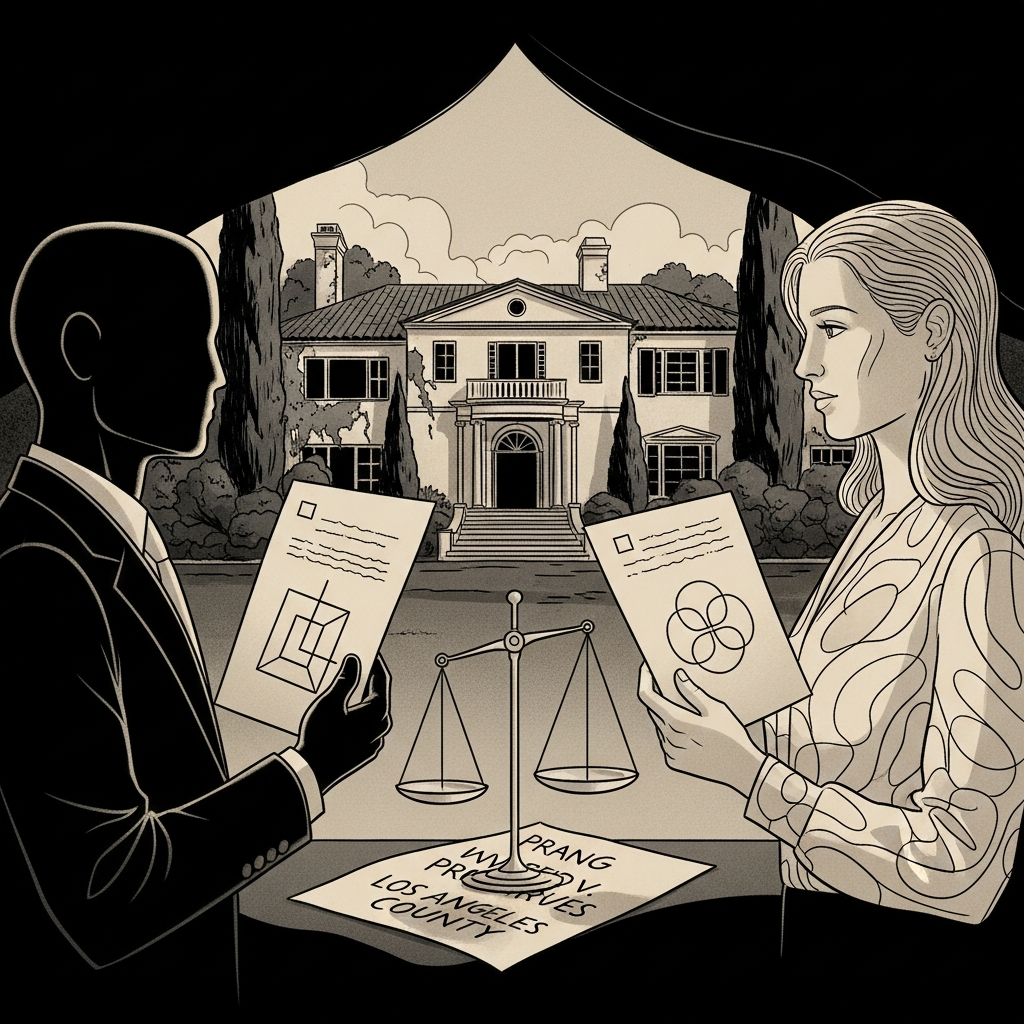
California Supreme Court Affirms Property Tax Reassessment After Corporate-to-Trust Transfer:

Understanding Prang v. Los Angeles County Assessment Appeals Board and Its Impact on Your Estate Plan

If you’re a California resident managing family businesses, corporate assets, or trusts, a recent California Supreme Court decision has significant implications for how you structure ownership transfers. The case of Prang v. Los Angeles County Assessment Appeals Boardclarifies when transferring property from a corporation to a revocable trust triggers property tax reassessment—potentially costing families thousands in unexpected tax increases.

## Who This Ruling Affects

This decision is particularly relevant if you:

  • Own or manage a family-owned corporation in California
  • Are planning to transfer corporate real estate to a trust
  • Have minority shareholders in your family business
  • Want to avoid unexpected property tax reassessments
  • Are creating an estate plan that includes both corporate entities and trusts
  • ## What Happened in This Case?

    Super A Foods, Inc. owned two Los Angeles supermarkets and had two classes of stock: voting and non-voting shares. In December 2014, the company transferred its properties to the Amen Family 1990 Revocable Trust.

    Here’s the critical detail that triggered reassessment:

  • The Trust owned 92.8% of Super A’s stock, including 100% of the voting stock
  • Four family members and one employee owned the remaining 7.2%
  • These minority shareholders were not beneficiaries of the Trust
  • Because the proportional ownership wasn’t identical before and after the transfer, the Los Angeles County assessor reassessed the properties for property tax purposes.

    ## The Court’s Ruling: Why Proportional Ownership Matters

    The California Supreme Court affirmed the reassessment, establishing that the transfer constituted a “change in ownership” because proportional ownership interests—measured by all stock, not just voting stock—were not identical before and after the transfer.

    This ruling means that even if a trust controls 100% of voting rights, minority shareholders create a mismatch in proportional ownership that can trigger reassessment.

    ## Key Takeaways for California Families

    1. Voting Control Alone Isn’t Enough

    California law measures ownership by total equity interest, not just voting control. Your estate planning attorney must account for all shareholders when structuring corporate-to-trust transfers.

    2. Minority Shareholders Create Tax Exposure

    If your family corporation has minority shareholders who aren’t trust beneficiaries, transferring corporate real estate to a trust may trigger significant property tax increases based on current market values.

    3. Plan Before You Transfer

    The reassessment in this case could have been avoided with proper planning. Options might include:

  • Ensuring all shareholders are trust beneficiaries in proportional amounts
  • Restructuring ownership before transferring property
  • Considering alternative transfer strategies that preserve ownership proportions
  • ## How California Probate and Trust, PC Can Help

    At California Probate and Trust, PC, we understand that California families managing business assets and trusts need comprehensive guidance that addresses both legal structure and tax implications. Our experienced estate planning attorneys help you:

  • Analyze your current ownership structure to identify potential reassessment triggers
  • Design trust-based estate plans that minimize property tax exposure
  • Coordinate corporate and trust planning to protect your family’s wealth across generations
  • Navigate complex California property tax laws that impact family businesses
  • We’ve helped thousands of California families protect their assets through transparent, personalized estate planning strategies.

    ## Take Action Now

    Don’t let an unplanned property transfer trigger unnecessary tax reassessment. Schedule a free consultation with California Probate and Trust, PC to review your family business structure and develop a tax-efficient estate plan.

    Contact us today:

  • Call (866) 674-1130
  • Visit cpt.law
  • Schedule your free estate planning consultation
  • ## Case Information

  • Case Name: Prang v. Los Angeles County Assessment Appeals Board
  • Citation: 15 Cal.5th 1152
  • Court: California Supreme Court
  • Date Filed: May 30, 2024
  • Source: California Lawyers Association
  • Full Opinion: Supreme Court Opinion PDF
  • ## Legal Disclaimer

    This article is provided for informational purposes only and does not constitute legal advice. The information contained herein is based on California law as of January 2026 and may not reflect the most current legal developments. Every estate planning situation is unique, and the applicability of the principles discussed depends on your specific circumstances. You should not act or refrain from acting based on this article without seeking professional legal counsel. Reading this article does not create an attorney-client relationship between you and California Probate and Trust, PC. For personalized legal guidance regarding your estate planning, trust administration, or property tax matters, please contact a qualified California estate planning attorney.

    Categories
    News Trusts

    Key v. Tyler: What California Families Need to Know About No-Contest Clauses in Trust Documents

    If you’re a California resident managing family trust matters or concerned about protecting your estate from costly disputes, understanding how no-contest clauses work is critical. The appellate case Key v. Tyler clarifies when defending against a trust contest can trigger forfeiture—even if you didn’t initiate the legal challenge.

    Who This Article Is For

    This legal analysis is designed for:

  • California residents creating or updating trust documents
  • Beneficiaries navigating trust disputes or amendments
  • Families concerned about undue influence claims
  • Anyone seeking to protect their legacy from prolonged litigation
  • What Happened in Key v. Tyler?

    Sarah Key, Elizabeth Tyler, and Jennifer Potz were originally equal beneficiaries under their mother’s trust. In 2007, the trust was amended to favor Tyler. Key challenged this amendment, alleging undue influence, and won—both at trial and on appeal.

    Following her victory, Key filed a petition to enforce the trust’s no-contest clause against Tyler and sought attorney’s fees. Tyler responded with an anti-SLAPP motion, arguing that her defense of the trust contest was protected litigation and should not be considered a “direct contest” under California law.

    The Court’s Ruling: Why It Matters for Your Trust

    The appellate court reversed the trial court’s decision and held that:

  • Defending a trust contest can trigger a no-contest clause. Even though Tyler was the respondent (not the person who initiated the lawsuit), her defense effectively sought to preserve the 2007 amendment—which meant she was contesting the original trust instrument.
  • No-contest clauses apply to responses and objections, not just petitions. California’s no-contest-clause-enforcement statute covers defensive actions that challenge trust provisions.
  • The litigation privilege does not override no-contest enforcement. The court emphasized that California’s Probate Code—specifically designed for trust contests—takes precedence over the more general litigation privilege found in the Civil Code.
  • Attorney’s fees can be recovered under both contractual and equitable theories. Key was entitled to fees based on trust language and principles of fairness.
  • How Can This Case Affect Your Family’s Trust Planning?

    If you’re creating or revising a trust in California, here’s what you need to know:

  • Include clear no-contest language. A well-drafted no-contest clause can deter frivolous challenges and protect your estate from depletion through legal fees.
  • Understand that amendments matter. If you amend your trust, the amendment and the original instrument are both subject to enforcement provisions—even if only one document contains a no-contest clause.
  • Anticipate disputes before they arise. Families dealing with undue influence concerns, blended families, or unequal distributions should work with an experienced estate planning attorney to build protective measures into their documents.
  • Know your rights as a beneficiary. If you’re named in a trust and considering challenging an amendment, consult legal counsel immediately. Defending your position could result in forfeiture of your inheritance.
  • Real-World Application: When Should You Enforce a No-Contest Clause?

    No-contest clauses are particularly useful for California families in situations like:

  • Blended families where children from prior marriages may contest new provisions
  • Estates with unequal distributions among siblings
  • Trusts vulnerable to undue influence claims due to caregiver relationships
  • High-value estates where litigation costs could significantly erode inheritance
  • Case Citation and Legal Authority

  • Case Name: Key v. Tyler
  • Citation: B283979
  • Filed: April 19, 2019
  • Court: Second District, Division Two
  • Read the full opinion: Second District Opinion PDF

    Source: California Lawyers Association – Key v. Tyler

    Protect Your Family’s Legacy with Experienced California Trust Counsel

    At California Probate and Trust, PC, we help California residents create comprehensive estate plans that protect against costly disputes, undue influence claims, and family conflicts. Whether you’re drafting your first trust, updating an outdated plan, or navigating a trust contest, our compassionate attorneys provide transparent guidance tailored to your family’s unique needs.

    Schedule your FREE estate planning consultation today:

  • Call (866) 674-1130
  • Visit cpt.law
  • Offices in Fair Oaks, Sacramento, and San Francisco
  • Legal Disclaimer

    This article is provided for informational purposes only and does not constitute legal advice. The information presented is based on California law as of the publication date and may be subject to change. Each trust and estate matter involves unique facts and circumstances. You should consult with a qualified California estate planning attorney before making any legal decisions regarding your trust, will, or estate plan. Nothing in this article creates an attorney-client relationship between the reader and California Probate and Trust, PC.

    Categories
    News Trusts

    Can Emails to Your Attorney Amend Your Trust? California Court Says No.

    If you’re managing a revocable trust in California, you might assume that expressing your wishes in an email to your estate planning attorney is enough to change how your assets will be distributed. A recent California appellate court decision makes it clear: it’s not.

    In Trotter v. Van Dyck (Case No. D081916, filed June 27, 2024), the Fourth District Court of Appeal ruled that email correspondence—even when it clearly states your intent—does not constitute a valid trust amendment under California law.

    What Happened in Trotter v. Van Dyck?

    Mary, the surviving trustor of a revocable family trust, wanted to disinherit her stepdaughter, Wendy. She expressed this intent in an email to her son, Timothy, and later sent her estate planning attorney a partially completed estate planning questionnaire.

    In the questionnaire, Mary wrote next to Wendy’s name: “NO CONTACT – WOULD PREFER TO DROP FROM WILL – IF POSSIBLE”. Mary underwent surgery the next day and died shortly thereafter without signing any formal trust amendment.

    After Mary’s death, Timothy petitioned the probate court to determine whether his mother’s emails and questionnaire constituted a valid amendment to her trust. Both the probate court and the appellate court said no.

    Why the Court Rejected the Email as a Trust Amendment

    The court identified three critical failures:

  • No signed document: Mary’s trust required amendments to be “in writing, signed by Mary, and delivered to the trustee.” There was no signed document amending the trust.
  • Electronic signatures don’t apply here: The Uniform Electronic Transactions Act (UETA) doesn’t apply to unilateral trust amendments because they don’t constitute a “transaction” under the statute.
  • Lack of testamentary intent: The court found that Mary’s writings appeared to be correspondence between a client and her attorney about potential changes, with the expectation that her attorney would later formalize an amendment—not a completed testamentary act.
  • What This Means for California Families with Trusts

    If you have a revocable trust and want to make changes—whether to disinherit someone, add a beneficiary, or adjust distribution percentages—informal communication is not enough. Here’s what you need to know:

  • Follow your trust’s amendment procedures exactly: Most trusts require a signed, written amendment delivered to the trustee.
  • Don’t rely on emails or notes: Even if your intent is crystal clear, California courts will not honor informal expressions of intent as legal amendments.
  • Work with your attorney to formalize changes: Discussing your wishes with your estate planning attorney is an important first step, but those discussions must be followed by properly executed legal documents.
  • Act before it’s too late: Mary’s case is a tragic reminder that sudden illness or surgery can leave estate plans incomplete. If you’re considering changes, don’t delay.
  • How Can I Properly Amend My Trust in California?

    To validly amend a revocable trust in California, you typically need to:

  • Review your trust document to understand the specific amendment requirements
  • Work with an experienced estate planning attorney to draft a formal amendment
  • Sign the amendment (and have it notarized if required)
  • Deliver the signed amendment to your trustee
  • Keep the amendment with your trust documents
  • Protect Your Family’s Future with Proper Estate Planning

    At California Probate and Trust, PC, we help Sacramento-area families avoid costly mistakes like the one in Trotter v. Van Dyck. Whether you need to create a new trust, amend an existing one, or navigate probate after a loved one’s death, our certified estate planning specialists provide transparent, compassionate guidance every step of the way.

    We offer free consultations to California residents who want to protect their families and ensure their wishes are honored. Don’t leave your legacy to chance—let us help you formalize your estate plan the right way.

    Schedule Your Free Consultation Today

    Contact California Probate and Trust, PC to discuss your estate planning needs. Our experienced attorneys will review your situation, explain your options, and help you create a plan that protects your family for generations to come.

    Case Details

  • Case Name: Trotter v. Van Dyck
  • Case Number: D081916
  • Filed: June 27, 2024
  • Court: California Court of Appeal, Fourth District, Division One
  • Source: California Lawyers Association
  • Full Opinion: Fourth District Opinion (PDF)
  • Legal Disclaimer

    This article is provided for informational purposes only and does not constitute legal advice. The information contained herein is based on California law as of the date of publication and may not reflect recent legal developments. Every estate planning situation is unique, and the application of law can vary based on specific facts and circumstances. You should not rely on this article as a substitute for professional legal advice tailored to your individual situation. For specific guidance regarding trust amendments, estate planning, or probate matters, please consult with a qualified California estate planning attorney. California Probate and Trust, PC is available to provide personalized legal counsel to California residents and those managing California-based assets.

    Categories
    Estate Planning Long Term Care Planning Trusts

    Ye’s Public Apology for Antisemitic Remarks

    When a public figure’s mental health crisis threatens their legacy, business interests, and family relationships, it raises critical questions for California families: How do you protect assets when capacity becomes uncertain? What happens to your estate if you cannot make sound decisions?

    On January 26, 2026, Ye (formerly Kanye West) published a full-page apology in The Wall Street Journalfor his antisemitic statements and erratic behavior. The ad, paid for by his company Yeezy, attributes his actions to an undiagnosed brain injury from a 2002 car accident and his subsequent struggle with bipolar I disorder.

    The Estate Planning Implications of Mental Illness and Incapacity

    Ye’s situation illustrates a scenario California families face more often than they realize: What happens when mental illness, brain injury, or other conditions compromise someone’s ability to manage their affairs?

    According to Ye’s apology, he was diagnosed with a frontal lobe injury in 2023—21 years after his accident—and has struggled with bipolar I disorder since his official diagnosis in 2016.During manic episodes, he writes, “you don’t think you’re sick. You think everyone else is overreacting.”This denial is common in bipolar disorder and can lead to devastating financial and legal consequences.

    Key Estate Planning Protections for California Families Facing Mental Health Challenges

    If you or a loved one struggles with mental health conditions, brain injury, or degenerative diseases, California estate planning tools can protect your legacy:

  • Durable Power of Attorney: Allows a trusted agent to manage financial decisions if you become incapacitated
  • Healthcare Power of Attorney: Designates someone to make medical decisions when you cannot
  • Advance Healthcare Directive: Documents your wishes for end-of-life care and treatment preferences
  • Revocable Living Trust: Protects assets and provides continuity if you lose capacity, avoiding costly conservatorship proceedings
  • Incapacity Clause in Trusts: Specifies who takes over trust management if you’re deemed incapacitated by medical professionals
  • What Happens to Business Assets During Mental Health Crisis?

    Ye’s career includes 11 studio albums, 24 Grammy Awards, and a clothing brand (Yeezy) that paid for the Wall Street Journal advertisement.For California business owners and entrepreneurs, mental health crises can jeopardize:

  • Business operations and decision-making authority
  • Partnership agreements and corporate governance
  • Brand reputation and commercial relationships
  • Asset protection from creditors or lawsuits
  • California Probate and Trust, PC helps business owners create comprehensive estate plans that include succession planning, buy-sell agreements, and asset protection strategies—ensuring your business continues even if you cannot.

    Real-World Application: When Should California Families Act?

    Consider these scenarios where proactive estate planning becomes critical:

  • A parent with early-stage dementia needs someone to manage their rental properties
  • An adult child with bipolar disorder inherits a substantial estate
  • A tech executive suffers a traumatic brain injury in an accident
  • A family member’s addiction threatens to deplete generational wealth
  • In each case, the right legal tools—established before crisis hits—can preserve assets, maintain family harmony, and protect vulnerable individuals.

    The Cost of Waiting: What Ye’s Story Reveals About Delayed Action

    Ye reports that in early 2025, he “fell into a four-month long manic episode of psychotic, paranoid and impulsive behavior that destroyed my life.”His wife eventually encouraged him to seek help.

    For California families, waiting until crisis strikes often means:

  • Emergency conservatorship proceedings (costly and public)
  • Court-appointed guardians instead of chosen family members
  • Loss of control over healthcare and financial decisions
  • Depletion of assets through poor decision-making
  • The World Health Organization data cited in Ye’s apology notes that people with bipolar disorder have a life expectancy shortened by 10-15 years and mortality rates 2-3 times higher than the general population.

    How California Probate and Trust, PC Helps Families Navigate Complex Situations

    California Probate and Trust, PC specializes in estate planning for families facing complex medical, mental health, and financial challenges. Our Sacramento-based attorneys understand that mental illness, brain injury, and incapacity don’t follow predictable timelines—which is why we help clients establish protections before they’re needed.

    We’ve represented thousands of California families from our offices in Fair Oaks, Sacramento, and San Francisco, creating customized estate plans that address:

  • Special needs planning for beneficiaries with mental illness
  • Incapacity planning for business owners and professionals
  • Asset protection from creditors and lawsuits
  • Succession planning for family businesses
  • Trust administration during periods of incapacity
  • Take Action Now: Protect Your California Legacy

    Don’t wait for a crisis to expose vulnerabilities in your estate plan. Whether you’re concerned about mental health, aging, or unexpected incapacity, California Probate and Trust, PC offers free consultations to assess your needs and develop a comprehensive protection strategy.

    Contact us today at (866) 674-1130 or visit cpt.law to schedule your free estate planning consultation. Our compassionate attorneys will help you create a plan that protects your family, preserves your assets, and ensures your wishes are honored—no matter what the future holds.

    Legal Disclaimer

    This article is provided for informational purposes only and does not constitute legal advice. Estate planning laws vary by state and individual circumstances. The information presented here should not be relied upon as a substitute for consultation with a qualified California estate planning attorney. California Probate and Trust, PC makes no warranties or representations regarding the accuracy or completeness of this information. For specific legal guidance tailored to your situation, please schedule a consultation with our firm or another qualified legal professional.

    Categories
    California Probate Estate Planning Trusts

    Private Jet With 8 People Aboard Crashes at Maine Airport

    On January 25, 2026, a private jet carrying eight people crashed at Bangor International Airport in Maine, according to the Federal Aviation Administration. The New York Times reported that emergency responders quickly arrived at the scene, though details about casualties and the cause of the crash remain under investigation. This tragic incident serves as a stark reminder for California families about the importance of comprehensive estate planning—especially when managing assets, travel risks, and protecting loved ones from unexpected tragedy.

    Who This Article Is For: California Residents Managing Complex Assets and Travel Risks

    If you’re a California resident who owns business interests, frequently travels by private or commercial aviation, or manages substantial assets that could be affected by sudden loss, this article addresses critical estate planning questions you may be asking:

  • What happens to my estate if I die in an aviation accident?
  • How can I protect my family from the financial and legal chaos that follows a sudden death?
  • Do I need special provisions in my estate plan if I travel frequently for business?
  • What if multiple family members are on the same flight—how do I plan for simultaneous deaths?
  • These are not abstract concerns. The Maine private jet crash underscores how quickly life can change, and how essential it is to have legally sound, California-compliant estate planning documents in place before tragedy strikes.

    Understanding the Risks: Why Aviation Incidents Demand Specialized Estate Planning

    Aviation accidents, while statistically rare, present unique estate planning challenges that California families must address proactively:

    1. Simultaneous Death of Multiple Family Members

    When a private jet or commercial flight carries multiple family members—spouses, parents and children, or business partners—the risk of simultaneous death creates complex legal scenarios. California law has provisions for “simultaneous death” situations, but without proper planning, your estate could face:

  • Uncertainty about which heir inherits first
  • Multiple probate proceedings running concurrently
  • Disputes among surviving family members about asset distribution
  • Tax inefficiencies that could have been avoided with strategic trust structuring
  • Solution: A well-drafted revocable living trust can include survivorship clauses and contingent beneficiary designations that automatically address simultaneous death scenarios, ensuring your assets flow to the right people without court intervention.

    2. Cross-State and International Jurisdictional Issues

    The Maine crash illustrates another critical issue: when California residents die outside the state—or own property in multiple states—estate settlement becomes exponentially more complicated. You may face:

  • Ancillary probate proceedings in every state where you own real property
  • Conflicting state laws about estate administration and taxation
  • Delays in asset distribution while multiple courts coordinate
  • Significantly higher legal and administrative costs
  • Solution: California residents can avoid multi-state probate by transferring out-of-state property into a California-based revocable living trust. This single legal structure allows your successor trustee to administer all trust assets under California law, regardless of where the property is located.

    3. Business Continuity and Succession Planning

    For California business owners who travel frequently—whether for client meetings, conferences, or personal travel—an unexpected death can devastate not just your family, but your employees, partners, and business legacy. Key concerns include:

  • Who has legal authority to make immediate business decisions?
  • How will ownership transfer if you and your business partner die together?
  • What happens to contracts, client relationships, and ongoing projects?
  • How will your family access business accounts and digital assets?
  • Solution: A comprehensive estate plan for business owners should include a durable power of attorney for financial matters, buy-sell agreements with cross-purchase provisions, and clear succession instructions within your trust documents. This ensures business continuity even in the worst-case scenario.

    How California Probate and Trust Can Help Protect Your Family From Aviation-Related Estate Risks

    At California Probate and Trust, PC, we’ve helped thousands of California families create estate plans that address complex scenarios—including sudden death from aviation accidents, natural disasters, and other unexpected tragedies. Our approach is built on transparency, compassion, and deep knowledge of California estate law.

    Our Specialized Estate Planning Services Include:

  • Revocable Living Trusts: Avoid probate, protect privacy, and ensure seamless asset transfer even in simultaneous death scenarios
  • Pour-Over Wills: Catch any assets not already in your trust and direct them appropriately
  • Durable Powers of Attorney: Designate trusted individuals to manage your finances and healthcare decisions if you’re incapacitated
  • Advanced Healthcare Directives: Ensure your medical wishes are honored, even in emergency situations
  • Business Succession Planning: Protect your company, employees, and legacy with legally enforceable succession documents
  • Contingent Beneficiary Planning: Address complex family structures and multiple “what-if” scenarios
  • Why California Families Choose California Probate and Trust

  • Free 1-Hour Estate Planning Consultation: We start by understanding your unique situation—your family dynamics, assets, concerns, and goals—at no cost and no obligation
  • Transparent Pricing: Clear, upfront estate planning packages so you know exactly what you’re paying for
  • California-Specific Expertise: We focus exclusively on California estate law, ensuring your documents comply with state-specific requirements and leverage California’s unique trust and probate provisions
  • Compassionate, Client-First Approach: Estate planning involves difficult conversations about mortality, family relationships, and legacy. We create a safe, judgment-free space where you can make informed decisions with confidence
  • Proven Track Record: With offices in Fair Oaks, Sacramento, and San Francisco, we’ve successfully represented thousands of California clients from all walks of life
  • What to Do Right Now: 5 Immediate Steps California Families Can Take

    The Maine private jet crash is a sobering reminder that none of us know what tomorrow holds. If you don’t have an estate plan—or if your plan hasn’t been updated in years—take these steps today:

  • Schedule a free estate planning consultation with an experienced California estate attorney to assess your current situation and identify gaps in protection
  • Review your existing estate documents (if you have them) to ensure they address simultaneous death, business succession, and out-of-state property
  • Update your beneficiary designations on retirement accounts, life insurance policies, and bank accounts—these override what’s in your will or trust
  • Create or update your durable power of attorney so someone you trust can manage your affairs if you’re incapacitated but not deceased
  • Have the difficult conversations with your family about your wishes, values, and how you want your legacy protected
  • Take Control of Your Family’s Future Today

    You can’t predict when tragedy will strike—but you can control how your family is protected when it does. The families affected by the Maine private jet crash are now facing unimaginable grief, and potentially complex legal and financial challenges that could have been simplified with proper planning.

    Don’t leave your loved ones to navigate California’s probate system, business succession issues, or multi-state estate administration during their darkest hour. Take action now to protect what you’ve built and the people you cherish most.

    Schedule Your Free Estate Planning Consultation

    California Probate and Trust, PC offers free, no-obligation consultations to California residents who want to protect their families and legacies. Our experienced estate planning attorneys will:

  • Listen to your concerns and understand your unique family situation
  • Explain your options in clear, jargon-free language
  • Recommend the right estate planning solutions for your needs and budget
  • Answer all your questions about trusts, wills, probate, and asset protection
  • Contact us today:

  • Phone: (866) 674-1130
  • Website: cpt.law
  • Offices: Fair Oaks, Sacramento, and San Francisco
  • Don’t wait for tragedy to force your hand. Protect your family now with a comprehensive, California-compliant estate plan designed by attorneys who care about your peace of mind.


    Legal Disclaimer

    This article is provided for informational purposes only and does not constitute legal advice. The information contained herein is general in nature and may not apply to your specific situation. Estate planning laws vary by state and individual circumstances. For personalized legal guidance regarding your estate planning needs, please consult with a qualified California estate planning attorney. California Probate and Trust, PC does not guarantee specific outcomes and results may vary based on individual facts and circumstances. Reading this article does not create an attorney-client relationship. All consultations are subject to availability and firm acceptance.


    Source: The New York Times – “Private Jet With 8 People Aboard Crashes at Maine Airport, F.A.A. Says”

    Categories
    Estate Planning Long Term Care Planning Trusts

    Kaiser Permanente Nurses Strike: What You Need to Know About Healthcare Disruptions and Your Legal Rights

    For California Residents: If you or a loved one relies on Kaiser Permanente for medical care, understanding your rights during this massive healthcare strike is critical—especially when it comes to protecting vulnerable family members and ensuring continuity of care.

    What’s Happening: 31,000 Healthcare Workers Set to Strike

    Starting Monday, over 31,000 Kaiser Permanente nurses and healthcare professionals across California and Hawaii are launching an unfair labor practices strike that could significantly impact medical services throughout the state.

    The United Nurses Associations of California/Union of Health Care Professionals (UNAC/UHCP) has committed to staying out until a fair contract agreement is reached, with workers focusing on what they describe as a growing crisis in patient care.

    Why This Matters to You: Critical Questions California Families Are Asking

    Will my appointments be canceled?

    Kaiser has stated that hospitals and medical offices will remain open, but some non-urgent appointments and elective surgeries may need to be rescheduled.The health system advises patients not to cancel appointments preemptively—they will contact you if rescheduling is necessary.

    What about emergency care?

    Emergency services will continue, though some pharmacies may close during the strike.Kaiser has assured patients they have “robust plans in place to ensure continued care.”

    Where are the strike locations in San Diego County?

    If you receive care at any of these facilities, expect potential disruptions:

  • San Marcos Medical Center, 360 Rush Drive, San Marcos
  • San Diego Medical Center, 9455 Clairemont Mesa Blvd., San Diego
  • Zion Medical Center, 4647 Zion Ave., San Diego
  • What Are the Nurses Fighting For?

    According to UNAC/UHCP President Charmaine S. Morales, RN, the strike addresses serious concerns that directly impact patient safety:

  • Safe staffing levels that protect patients
  • Workload standards to prevent what nurses call “moral injury”
  • Fair wages for frontline caregivers
  • Respect and dignity for healthcare workers
  • The union filed an unfair labor practice charge with the National Labor Relations Board, alleging Kaiser walked away from bargaining negotiations in December after talks that began in May.

    Kaiser’s Response: 21.5% Wage Increase Offered

    Kaiser Permanente has proposed a 21.5% wage increase—described as their “strongest national bargaining offer ever”—and maintains their focus remains on providing safe, high-quality care while reaching fair agreements.

    Legal Considerations for California Families During Healthcare Disruptions

    How can I protect my family if medical care is disrupted?

    Healthcare strikes raise important questions about advance planning, especially for California residents with:

  • Elderly parents who depend on regular medical appointments
  • Family members with chronic conditions requiring consistent care
  • Loved ones who may need emergency medical decision-making
  • Are your healthcare directives up to date?

    When healthcare systems face disruptions, having proper legal documentation becomes even more critical:

  • Advance Healthcare Directives ensure your medical wishes are followed, even if appointments are rescheduled or delayed
  • Healthcare Power of Attorney designates someone you trust to make medical decisions if you’re unable to
  • HIPAA Authorization allows your designated representatives to access your medical information during emergencies
  • What if I’m managing care for aging parents?

    If your parents receive care at Kaiser facilities, this is an important reminder to ensure you have:

  • Legal authority to make medical decisions on their behalf
  • Access to their medical records through proper HIPAA authorizations
  • Clear documentation of their healthcare preferences
  • Protect Your Family’s Healthcare Rights—Before You Need Them

    Healthcare disruptions like the Kaiser strike highlight why California families need comprehensive estate planning that includes healthcare directives and powers of attorney. Without these documents in place, family members may face legal barriers to accessing medical information or making critical healthcare decisions.

    At California Probate and Trust, PC, we help California residents create complete estate plans that protect your family during unexpected situations—from healthcare strikes to medical emergencies. Our experienced Sacramento-based attorneys offer free consultations to assess your family’s unique needs and develop a personalized plan that ensures continuity of care and legal protection.

    Schedule Your Free Estate Planning Consultation

    Don’t wait until a crisis to discover gaps in your legal protection. Our compassionate team provides transparent, comprehensive estate planning services designed specifically for California residents who value family protection and peace of mind.

    Contact California Probate and Trust, PC today:

  • Call (866)-674-1130
  • Visit cpt.law
  • Free 1-hour consultation with experienced estate planning attorneys
  • Source: 10News: Nurses at Kaiser Permanente Hospital in San Diego County to Strike Monday

    Legal Disclaimer: This article is provided for informational purposes only and does not constitute legal advice. The information contained herein is based on publicly available news reports and should not be relied upon as a substitute for professional legal counsel. Estate planning and healthcare directive requirements vary based on individual circumstances. For specific legal guidance regarding your situation, please consult with a qualified California estate planning attorney. California Probate and Trust, PC is available to provide personalized legal advice during a confidential consultation. Past performance does not guarantee future results. Attorney advertising.

    Categories
    California Probate Estate Planning News

    Fatal Shooting of Alex Pretti by Federal Agents in Minneapolis: What you Need to Know About Constitutional Rights and Legal Protections

    On January 25, 2026, a deadly confrontation unfolded in Minneapolis that raises critical questions about civil liberties, use of force, and the rights of observers during law enforcement operations. For California residents managing family estates and concerned about protecting their loved ones from legal overreach, this incident underscores the importance of understanding your constitutional rights—and having proper legal safeguards in place.

    What Happened: The Fatal Encounter

    Federal immigration agents shot and killed Alex Pretti during an operation in Minneapolis’ Whittier neighborhood on Saturday, January 23, 2026. According to CNN’s analysis of seven videos and eyewitness testimony, the incident raises serious questions about the justification for lethal force.

    Key Facts from Video Evidence and Witness Accounts:

  • Pretti was helping direct traffic and observing the federal operation when confronted by officers
  • Video analysis shows Pretti never displayed violent behavior or held the handgun that was later removed from his waistband
  • An officer retrieved Pretti’s firearm from his waistband, and approximately one second later, 10 shots were fired
  • A pediatrician who witnessed the shooting reported that ICE agents initially resisted allowing medical assessment and were “counting his bullet wounds” rather than administering CPR
  • What Legal Experts Are Saying

    Rob Doar, president of Minnesota Gun Owners Law Center, stated: “I see nothing that Mr. Pretti did that was unlawful. The narrative that’s been coming out (of the administration) afterwards, I think is going to have a chilling effect … it’s going to confuse people about the rights that they actually have.”

    Brian Higgins, an adjunct professor at John Jay College of Criminal Justice and retired police chief, noted: “This individual didn’t appear to me to even have his hand on the firearm at any time. So really, there’s no threat. He’s just carrying it.”

    Why This Matters for California Families

    If you’re a California resident concerned about protecting your family’s rights and assets, this incident highlights several critical issues:

    1. Understanding Your Constitutional Rights

  • The right to observe law enforcement activities
  • Second Amendment protections for lawful firearm possession
  • First Amendment rights to document and protest government actions
  • 2. Protecting Your Family Through Proper Legal Documentation

  • Advance Healthcare Directives that specify your medical wishes if incapacitated
  • Durable Power of Attorney designations to ensure someone you trust can act on your behalf
  • Estate plans that protect your assets and provide for your loved ones
  • 3. Questions This Case Raises About Government Accountability

  • When is lethal force justified during law enforcement operations?
  • What are your rights when observing federal agents in public spaces?
  • How can families seek justice when government agents exceed their authority?
  • The Administration’s Response vs. Video Evidence

    Border Patrol official Gregory Bovino claimed that Pretti “was in the scene actively impeding and assaulting law enforcement,” calling Border Patrol agents “the victims” in the shooting.DHS Secretary Kristi Noem stated, “You shouldn’t show up with weapons… and no indication of how they’re going to be used.”

    However, video evidence analyzed by CNN contradicts these claims, showing no violent actions by Pretti and revealing he was helping direct traffic before the confrontation.

    Delayed Medical Response Raises Additional Concerns

    Despite DHS claims that “medics on scene immediately delivered medical aid,”video evidence shows federal agents did not provide Pretti medical assistance until more than a minute after the shooting.A pediatrician who attempted to help reported that ICE agents initially resisted allowing them to assess Pretti, and when finally permitted, found him with no pulse while agents appeared to be counting bullet wounds rather than performing life-saving measures.

    How California Probate and Trust Can Help Protect Your Family

    While we cannot undo tragic events like this, we can help California families prepare for legal complexities and protect their loved ones through comprehensive estate planning. Our experienced attorneys understand that you’re looking for transparency, family protection, and peace of mind in an increasingly complex legal landscape.

    Our Services Include:

  • Advance Healthcare Directives to ensure your medical wishes are honored
  • Durable Power of Attorney designations for financial and legal matters
  • Revocable and irrevocable trusts to protect your assets
  • Comprehensive estate plans tailored to your family’s unique needs
  • Probate administration when navigating California’s complex probate system
  • Take Action to Protect Your Family Today

    Don’t wait until a crisis strikes to put legal protections in place. California Probate and Trust offers FREE estate planning consultations to help you understand your options and create a plan that safeguards your family’s future.

    Schedule your free consultation today:

  • Call (866)-674-1130
  • Visit cpt.law to learn more
  • Offices in Fair Oaks, Sacramento, and San Francisco
  • Legal Disclaimer: This article is provided for informational purposes only and does not constitute legal advice. The information presented about the Alex Pretti shooting is based on publicly available news reports and does not represent a legal opinion or analysis by California Probate and Trust, PC. Every legal situation is unique, and you should consult with a qualified attorney regarding your specific circumstances. California Probate and Trust, PC specializes in estate planning, probate, and trust administration for California residents and does not provide criminal defense or civil rights litigation services. No attorney-client relationship is created by reading this article or visiting our website. For specific legal advice tailored to your situation, please schedule a consultation with one of our experienced attorneys.

    Source: CNN – “Video, witnesses shed new light on moments before agents fatally shot Alex Pretti”

    Categories
    California Probate Estate Planning Trusts

    Los Angeles might tweak its ‘mansion tax.’ Here’s why that matters for the rest of California

    Los Angeles Mansion Tax Reform: What California Property Owners Need to Know About Measure ULA Changes and Their Estate Planning Impact

    Source: CalMatters

    Who This Affects: California residents who own high-value real estate, multifamily property investors, estate planning clients managing California-based assets, and families concerned about property transfer taxes eating into their legacy.

    What’s Happening Right Now

    Los Angeles City Councilmember Nithya Raman has proposed critical changes to the city’s controversial “mansion tax” (Measure ULA) that could reshape how California families transfer real estate wealth. The Los Angeles City Council is scheduled to vote on Tuesday, January 27, 2026, on whether to put this revised measure on the June 2026 ballot.

    Understanding Measure ULA: The Current Mansion Tax

    Since 2022, Measure ULA has imposed substantial transfer taxes on high-value Los Angeles real estate sales:

  • 4% tax on property sales between $5 million and $10 million
  • 5.5% tax on property sales exceeding $10 million
  • Over $1 billion raised for affordable housing and tenant assistance programs
  • Why This Matters for Your Estate Plan

    If you’re a California resident managing valuable real estate assets, this tax doesn’t just affect single-family mansions. Despite its nickname, Measure ULA applies equally to apartment buildings, condos, and commercial properties—assets that many families use as wealth-building and legacy-transfer vehicles.

    The tax has created a significant obstacle for families looking to:

  • Transfer multifamily properties to heirs
  • Sell investment real estate to fund retirement or estate distributions
  • Restructure property holdings as part of trust administration
  • What Changes Are Being Proposed?

    The proposed June 2026 ballot measure would make several key modifications:

  • 15-year exemption for apartments, condos, commercial, and mixed-use projects from the transfer tax
  • Modified spending rules for how tax revenue can be used
  • Protection of core tax structure while addressing developer concerns about construction impediments
  • The Statewide Implications: Why This Goes Beyond Los Angeles

    The Howard Jarvis Taxpayers Association is gathering signatures for a November 2026 statewide ballot measure that would significantly restrict the ability of more than two dozen California cities to charge heightened transfer taxes.

    If this statewide measure passes, it could:

  • Eliminate billions in municipal revenue across California’s largest cities
  • Fundamentally change how local governments fund affordable housing
  • Trigger costly electoral battles that could reshape California tax policy
  • How Can California Families Protect Their Real Estate Legacy?

    Whether you own a single high-value home or a portfolio of investment properties, understanding these tax implications is essential for effective estate planning:

    1. Review Your Property Transfer Strategy

    The timing of property transfers can dramatically impact tax liability. Families should evaluate whether transfers should occur before or after potential tax changes take effect.

    2. Consider Trust-Based Solutions

    Certain trust structures may provide options for managing property transfers while minimizing exposure to transfer taxes. A properly structured revocable living trust or irrevocable trust can offer flexibility.

    3. Evaluate Multi-Generational Planning

    With a potential 15-year exemption for certain properties, long-term holding strategies may become more favorable for families building generational wealth through real estate.

    4. Stay Informed on June and November 2026 Ballot Measures

    Both the local Los Angeles measure (June 2026) and the statewide Howard Jarvis measure (November 2026) could fundamentally alter California’s real estate transfer tax landscape.

    Questions California Property Owners Are Asking

    Q: Will the mansion tax affect my estate plan if I die while owning Los Angeles property?

    Yes, potentially. If your estate or trust sells property valued above $5 million in Los Angeles, the transfer tax applies. However, transfers to heirs through inheritance may have different treatment depending on how your estate plan is structured.

    Q: How do I know if the proposed changes will help or hurt my family’s situation?

    It depends on your specific property type and timeline. Multifamily and commercial property owners may benefit from the 15-year exemption, while single-family mansion owners may see little change.

    Q: Should I rush to sell or transfer property before these changes take effect?

    Not necessarily. The proposed changes won’t take effect until voters approve them in June 2026, and the current system remains in place until then. Hasty decisions without proper legal and tax guidance can create unintended consequences.

    The Opposition Perspective

    Not everyone supports the proposed changes. Joe Donlin, director of United to House LA, argues that “Measure ULA is working” and questions why changes would be made “without even an analysis of how much it would cost.”Tenant rights groups and public sector unions remain fierce defenders of the existing tax structure.

    What California Families Should Do Now

    The complexity of California real estate transfer taxes, combined with evolving ballot measures and legal challenges, makes professional guidance essential. Families managing California-based assets need a comprehensive strategy that addresses:

  • Current transfer tax exposure under existing law
  • Potential changes from June and November 2026 ballot measures
  • Trust structures that provide flexibility regardless of tax changes
  • Coordination between estate planning and real estate transfer strategies
  • Protect Your California Real Estate Legacy

    At California Probate and Trust, PC, we help California residents navigate the complex intersection of estate planning and real estate transfer taxes. Whether you’re concerned about Measure ULA’s impact on your property holdings or need to restructure your estate plan in light of changing tax laws, our experienced attorneys provide the clarity and protection you need.

    Schedule your free estate planning consultation today:

  • Call (866)-674-1130
  • Visit cpt.law to learn more about our services
  • Meet with our Sacramento or San Francisco-based attorneys to discuss your specific situation
  • We offer transparent, fixed-fee estate planning packages designed specifically for California residents managing valuable real estate assets. Our compassionate approach ensures you understand every option available to protect your family’s legacy.

    Important Dates to Remember

  • January 27, 2026: Los Angeles City Council votes on placing revised Measure ULA on ballot
  • June 2026: Potential ballot measure for Los Angeles voters on Measure ULA changes
  • November 2026: Potential statewide ballot measure on transfer tax restrictions
  • Legal Disclaimer: This article is provided for informational purposes only and does not constitute legal advice. The information contained herein is based on current law and proposed ballot measures as of January 2026, which may change. Real estate transfer taxes, estate planning strategies, and trust administration involve complex legal and tax considerations that vary based on individual circumstances. You should not rely on this information as a substitute for consultation with qualified legal and tax professionals. California Probate and Trust, PC does not guarantee any particular outcome and makes no representations about the accuracy or completeness of information provided. Consult with a licensed attorney regarding your specific situation before making any decisions affecting your estate plan or property transfers.

    Categories
    California Probate Estate Planning Trusts

    Hawaii’s Supreme Court Gun Case: What Families Need to Know About Constitutional Rights and Estate Planning

    If you’re concerned about protecting your family’s rights and assets, the recent Supreme Court case Wolford v. Lopez offers critical lessons about constitutional protections that extend beyond gun rights—touching on fundamental freedoms that impact your estate planning strategy.

    What Happened in Wolford v. Lopez? Understanding the Constitutional Stakes

    On Tuesday, the U.S. Supreme Court heard arguments in a landmark Second Amendment case from Hawaii. The state defended a law that would impose up to one year in prison for concealed carry permit holders who enter private property open to the public—like malls or gas stations—without explicit owner permission.

    The controversy centers on Hawaii’s reliance on historical “Black Codes”—post-Civil War laws designed to disarm newly freed Black Americans and enable Ku Klux Klan violence.

    Why Did Hawaii Cite Racist Historical Laws?

    Hawaii’s attorney, Neal Katyal, referenced an 1865 Louisiana Black Code to justify the state’s gun restrictions. Justice Neil Gorsuch expressed astonishment, stating he wanted “to understand how you think black codes should inform this Court’s decision making”.

    Justice Samuel Alito questioned the logic directly: “So, is it not the height of irony to cite a law that was enacted for exactly the purpose of preventing someone from exercising the Second Amendment rights, to cite this as an example of what the Second Amendment protects?”

    Can States Override Federal Constitutional Rights Based on “Local Custom”?

    Justice Sonia Sotomayor suggested Hawaii’s 200-year absence of gun-carrying customs should influence the case. Attorney Alan Beck countered that Hawaii “is part of the United States” and therefore “our national tradition” applies—the Second Amendment protects rights universally, not selectively based on state culture.

    The principle is clear: No “custom, tradition, or culture” in a specific state can justify violating the Bill of Rights.

    What This Means for California Families Planning Their Estates

    While this case focuses on gun rights, the underlying constitutional principle affects all Californians concerned about protecting their families:

  • Federal rights supersede state customs: Just as Hawaii cannot override Second Amendment protections, California must respect constitutional rights in probate, trust administration, and estate planning.
  • Historical discrimination cannot justify modern restrictions: The Supreme Court rejected using Black Codes as legal precedent. Similarly, your estate planning shouldn’t be subject to outdated or discriminatory state practices.
  • Transparency and legal clarity matter: Hawaii’s law creates criminal liability based on property owner silence. In estate planning, ambiguity can lead to probate disputes, family conflict, and asset loss.
  • How Can California Residents Protect Their Constitutional Rights and Family Legacy?

    The Wolford v. Lopez case demonstrates why California families need proactive legal protection:

  • Establish clear estate documents: Wills, trusts, and powers of attorney ensure your wishes are legally enforceable, preventing state intervention or family disputes.
  • Understand federal vs. state law: Constitutional protections apply nationwide. Work with attorneys who understand both federal safeguards and California-specific estate planning requirements.
  • Avoid legal ambiguity: Just as Hawaii’s “silence equals prison” approach creates confusion, unclear estate plans create probate nightmares. Explicit documentation protects your heirs.
  • Plan for multi-generational asset protection: The case emphasizes rights that extend “from sea to shining sea”. Your estate plan should protect family assets across state lines and generations.
  • Protect Your Family’s Future with Expert California Estate Planning

    California Probate and Trust, PC specializes in comprehensive estate planning for California residents who value transparency, family protection, and constitutional clarity. Our experienced attorneys provide:

  • Free one-hour consultations to assess your unique family situation
  • Clear, affordable estate planning packages tailored to your needs
  • Expert guidance on wills, trusts, probate, and asset protection
  • Compassionate support through complex legal processes
  • Whether you’re navigating probate now or planning for your family’s future, we offer the “one-stop-shop” expertise you need to protect what matters most.

    Schedule Your Free Consultation Today

    Don’t leave your family’s legacy to chance. Contact California Probate and Trust, PC for a no-obligation consultation and take control of your estate planning.

    Visit cpt.law or call our Fair Oaks, Sacramento, or San Francisco offices today.

    Source: National Review – Hawaii’s Shocking Legal Argument Against the Second Amendment

    Legal Disclaimer: This article is provided for informational purposes only and does not constitute legal advice. The information presented is based on publicly available court proceedings and news reports. Estate planning and constitutional law are complex areas that require individualized analysis. Readers should consult with a qualified attorney licensed in their jurisdiction before making any legal decisions. California Probate and Trust, PC is available for consultations but this article does not create an attorney-client relationship. Laws and court decisions may change, and the outcome of pending cases cannot be predicted with certainty.

    Categories
    Estate Planning Long Term Care Planning Trusts

    US Senate blocks California’s electric car mandate in historic vote

    US Senate Blocks California’s Electric Car Mandate: What This Historic Vote Means for California Residents and Their Estate Planning

    If you’re a California resident managing assets tied to the automotive industry, environmental policies, or simply concerned about how major legislative changes affect your family’s financial future, the recent Senate vote blocking California’s electric vehicle mandatehas significant implications you need to understand.

    What Happened? Understanding the Senate’s Historic Decision

    On May 21, 2025, the U.S. Senate voted to block California’s landmark electric car mandate in a 51-44 decision, marking the first time in nearly 60 years that Congress has interfered with California’s vehicle emissions standards. This decision revoked three critical EPA waivers that allowed California to:

  • Phase out gas-powered cars, requiring 35% of new 2026 model cars to be zero-emissions, ramping up to 100% by 2035
  • Implement the Advanced Clean Trucks rule for zero-emission heavy and medium-duty trucks
  • Reduce nitrogen oxides from trucks and buses
  • Who Does This Affect? California Families Need to Pay Attention

    This legislative change directly impacts:

  • California residents with automotive industry investments or assets – If your estate includes stock in electric vehicle manufacturers, charging infrastructure companies, or traditional automakers, this policy shift could affect asset valuations
  • Families managing businesses in the transportation sector – Those with trucking companies, delivery fleets, or auto dealerships face regulatory uncertainty that requires updated succession planning
  • Property owners in pollution-affected areas – With California having the worst air pollution in the nation, real estate values in areas like the Los Angeles basin and San Joaquin Valley could be impacted by continued poor air quality
  • Anyone concerned about long-term California policy stability – This represents a fundamental shift in state-federal relations that creates legal uncertainty
  • Why Did This Happen? The Legal and Political Battle Explained

    Republicans argued the mandate was costly, impractical, and removed consumer choice. Senator Shelley Moore Capito stated that while she has no problem with electric vehicles, she opposes “electric vehicle mandates that replace the will of the consumer”.

    Democrats, including California Senators Alex Padilla and Adam Schiff, countered that the Senate’s tactic was illegal and vital air quality protections were at stake. Governor Gavin Newsom vowed that “zero-emission vehicles are here to stay” and promised legal action.

    The Legal Challenge: What California Is Arguing

    California Attorney General Rob Bonta announced the state will file a lawsuit claiming unlawful use of the Congressional Review Act. The state’s legal argument centers on three key points:

  • The Congressional Review Act applies only to regulations, and EPA waivers are not regulations
  • The waivers are already in effect, with the diesel truck waiver issued more than two years ago, outside the time limits of the review act
  • The Senate’s Parliamentarian and the Government Accountability Office both stated Congress cannot review Clean Air Act waivers
  • UCLA law professor Ann Carlson called the decision “totally norm-busting,” noting that “we’re just in a completely new territory”.

    What Does This Mean for Your Family’s Financial Future?

    For California families managing assets and planning estates, this development raises several critical questions:

    1. How will this affect property values in pollution-affected areas?

    California still has some of the worst air pollution in the country, with residents in inland parts of the LA basin breathing unhealthful air more than 100 days a year. Continued air quality issues could impact real estate valuations in affected regions.

    2. What happens to investments in green technology and electric vehicles?

    With 23% of new cars sold in California being zero-emission during early 2025, and Californians owning 2.2 million zero-emission vehicles, this policy uncertainty affects a substantial market segment.

    3. How does regulatory uncertainty affect business succession planning?

    Businesses in the automotive, trucking, and energy sectors face an unclear regulatory landscape. California may need to rely on voluntary efforts and financial incentives rather than mandates, though the state faces a $12 billion deficit.

    Estate Planning in Times of Policy Uncertainty: What California Residents Should Do

    Major legislative shifts like this Senate vote underscore why California residents need robust, flexible estate planning that can adapt to changing legal and economic landscapes. Here’s what you should consider:

    Review Asset Valuations Regularly

    If your estate includes:

  • Electric vehicle company stock
  • Charging infrastructure investments
  • Traditional automotive industry assets
  • Transportation or logistics businesses
  • Real estate in air quality-affected regions
  • Schedule regular reviews with your estate planning attorney to ensure your trust documents and financial plans reflect current asset values.

    Build Flexibility Into Your Trust Structure

    Revocable living trusts offer California residents the flexibility to adapt to policy changes without going through probate court. As regulatory landscapes shift, having a trust structure that allows modifications protects your family from costly legal proceedings.

    Consider Environmental Policy Impact on Long-Term Holdings

    California’s commitment to carbon-neutrality by 2045remains state law, even as federal support wavers. Families managing long-term California-based assets should factor in potential future policy swings when planning multi-generational wealth transfers.

    Protect Business Succession Plans

    If you own a business affected by vehicle emission standards, ensure your succession plan includes provisions for regulatory uncertainty. This might mean creating flexible governance structures within your trust that allow successors to adapt quickly to policy changes.

    The Broader Context: California’s Environmental Legacy at Stake

    For almost 60 years, California’s vehicle emissions standards have been central to cleaning up the state’s air. Vehicles remain the largest sources of smog-forming gases and fine particles of soot, which cause respiratory disorders, heart attacks, and other serious health problems.

    This Senate action represents what Dan Becker, director of the Center for Biological Diversity’s Safe Climate Transport Campaign, called “the first major legislative battle” in what he described as Trump and congressional allies declaring “war on the environment”.

    Will Barrett of the American Lung Association called it “a major blow to the decades-long public health protections delivered under the Clean Air Act”.

    What Happens Next?

    The legal battle is just beginning. California’s lawsuit will likely address whether Congress violated the Congressional Review Act’s limitations and whether the Senate improperly bypassed its own Parliamentarian’s ruling.

    During Trump’s first administration, California sued to reverse similar actions blocking air pollution regulations for cars. This new legal fight could take years to resolve, creating ongoing uncertainty for California residents and businesses.

    How California Probate and Trust, PC Can Help You Navigate Uncertainty

    Major policy shifts affecting California’s economy, environment, and regulatory landscape demonstrate why working with experienced California estate planning attorneys is crucial. At California Probate and Trust, PC, we help California residents create comprehensive estate plans that protect family wealth regardless of political or regulatory changes.

    Our services include:

  • Comprehensive estate planning consultations that assess how legislative changes may affect your specific assets
  • Revocable living trust creation and administration that provides flexibility as laws and asset values change
  • Business succession planning for California companies navigating regulatory uncertainty
  • Asset protection strategies for families with environmentally-affected real estate or industry-specific investments
  • Ongoing trust administration and updates as your circumstances and California law evolve
  • Schedule Your Free Consultation Today

    If you’re a California resident concerned about how major legislative changes like the electric vehicle mandate reversal might affect your estate, family business, or long-term financial plans, California Probate and Trust, PC offers free consultations to help you understand your options.

    Our experienced attorneys have helped thousands of California families create estate plans that protect what matters most – your family’s security and your legacy for future generations.

    Contact us today at cpt.law to schedule your free estate planning consultation.

    Source: CalMatters – US Senate blocks California’s electric car mandate in historic vote


    Legal Disclaimer

    This article is provided for informational purposes only and does not constitute legal advice. The information contained herein regarding the U.S. Senate’s vote on California’s electric vehicle mandate and its potential implications is based on publicly available information as of the publication date. Laws, regulations, and legal interpretations are subject to change, and the outcome of California’s planned lawsuit is uncertain.

    Estate planning, trust administration, and asset protection strategies must be tailored to individual circumstances. This article does not create an attorney-client relationship between the reader and California Probate and Trust, PC. For specific legal advice regarding your estate planning needs, asset valuations, or how regulatory changes may affect your particular situation, please consult with a qualified California estate planning attorney.

    California Probate and Trust, PC practices exclusively in California. If you are not a California resident or do not have California-based assets, please consult with an attorney licensed in your jurisdiction.