Categories
News

Lakewood Murder-Suicide: Understanding the Legal and Estate Planning Implications When Family Tragedy Strikes

For California families navigating the aftermath of sudden loss, understanding your legal rights and responsibilities becomes essential. This article examines a tragic incident in Lakewood and what it means for estate planning, probate, and protecting your loved ones.

What Happened in the Lakewood Murder-Suicide Case?

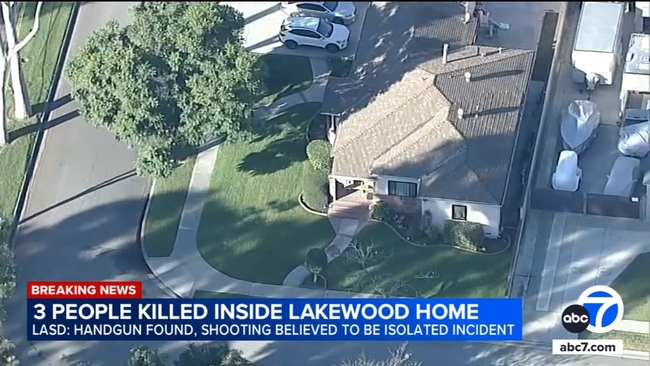
On July 17, 2025, a devastating family tragedy unfolded in Lakewood, California, when 52-year-old Hector Lionel Alfaro fatally shot his 48-year-old wife and 17-year-old daughter before taking his own life.The incident occurred at approximately 7:55 a.m. in the 5800 block of Lorelei Avenue, near South Street.

Timeline of Events:

  • The 19-year-old eldest daughter heard gunshots while asleep in the home
  • Alfaro appeared armed with a handgun and fired at his eldest daughter multiple times, but she was not struck
  • Alfaro then shot himself while standing near his 19-year-old daughter
  • The surviving daughter called authorities, reporting that her father had shot at her and was now lying unconscious
  • Deputies arrived to find three deceased individuals and one extremely distraught but unharmed 19-year-old woman
  • Los Angeles County Sheriff’s Department Lt. Daniel Vizcarra confirmed that the surviving daughter was neither a suspect nor a person of interest in the case.Authorities recovered a firearm at the scene and confirmed there was no ongoing threat to the public.

    Source: ABC7 KABC – Lakewood Murder-Suicide Report

    What Legal Issues Arise After a Murder-Suicide in California?

    When sudden death occurs—especially involving multiple family members—California residents face complex legal questions that require immediate attention:

    1. Estate Administration Challenges

  • Who inherits when multiple family members die simultaneously or in rapid succession?
  • How does California’s “slayer statute” prevent someone who commits murder from inheriting from their victim?
  • What happens to jointly owned property and assets?
  • How are life insurance policies and retirement accounts distributed?
  • 2. Probate Court Proceedings

    In cases where individuals die without a proper estate plan—or when existing plans don’t account for simultaneous deaths—California probate court becomes necessary to:

  • Determine the legal order of deaths
  • Identify rightful heirs and beneficiaries
  • Appoint administrators to manage estate assets
  • Resolve competing claims from family members
  • Distribute assets according to California intestacy laws
  • 3. Protection for Surviving Family Members

    For the surviving 19-year-old daughter in this case, critical legal questions include:

  • Does she inherit from all three deceased family members?
  • Who will serve as executor or administrator of the estates?
  • Are there existing trusts, wills, or other estate planning documents?
  • What immediate financial resources are available to her?
  • How can she protect inherited assets from creditors or legal claims?
  • How Can Estate Planning Protect Your Family From Legal Uncertainty?

    While no one can predict or prevent every tragedy, comprehensive estate planning provides critical safeguards for California families:

    Essential Estate Planning Documents

  • Revocable Living Trust: Avoids probate, maintains privacy, and provides clear instructions for asset distribution even in complex scenarios
  • Last Will and Testament: Names guardians for minor children and provides backup instructions if trust assets aren’t fully funded
  • Advance Healthcare Directive: Designates someone to make medical decisions if you’re incapacitated
  • Financial Power of Attorney: Appoints a trusted person to manage finances during incapacity
  • Contingent Beneficiary Designations: Ensures assets pass to intended recipients even if primary beneficiaries predecease you
  • Why California Families Need Professional Estate Planning Guidance

    Tragedies like the Lakewood incident demonstrate why working with experienced estate planning attorneys matters:

  • Complex California Laws: California has specific statutes governing simultaneous death, slayer provisions, and intestate succession that require professional interpretation
  • Family Protection: Proper planning ensures surviving family members have immediate access to resources and clear legal guidance
  • Probate Avoidance: Well-structured trusts can eliminate costly and time-consuming probate proceedings during already difficult times
  • Tax Efficiency: Strategic planning minimizes estate taxes and preserves more wealth for your heirs
  • Peace of Mind: Knowing your family is protected allows you to focus on what matters most
  • What Should You Do If You’re Managing an Estate After Sudden Loss?

    If you’re a California resident suddenly responsible for managing a loved one’s estate, take these steps:

  • Secure immediate legal counsel: Estate administration after violent death involves unique legal complexities requiring specialized expertise
  • Locate estate planning documents: Search for wills, trusts, powers of attorney, and beneficiary designations
  • Identify all assets and liabilities: Create comprehensive inventories of property, accounts, debts, and obligations
  • Notify relevant institutions: Contact banks, insurance companies, and government agencies about the deaths
  • Protect estate assets: Ensure property is secured, insurance continues, and assets are properly managed
  • Understand your timeline: California probate has specific deadlines for filing petitions and notifying heirs
  • Mental Health Resources for Those in Crisis

    If you or someone you know is experiencing suicidal thoughts, substance use issues, or other mental health crises, help is available 24/7:

  • Call or text 988 to reach a trained crisis counselor for free, any time
  • Visit 988lifeline.org for additional resources and support
  • Contact the Los Angeles County Sheriff’s Department Homicide Bureau at (323) 890-5500 with any information about this case
  • Report anonymous tips to Crime Stoppers at (800) 222-TIPS (8477) or lacrimestoppers.org
  • Protect Your Family’s Future With Comprehensive Estate Planning

    At California Probate and Trust, PC, we understand that estate planning isn’t just about documents—it’s about protecting the people you love during life’s most difficult moments. Our experienced Sacramento-based attorneys provide:

  • Free consultations to assess your unique situation and needs
  • Transparent, fixed-fee packages so you know exactly what to expect
  • Compassionate guidance through complex legal processes
  • Comprehensive planning that addresses simultaneous death, incapacity, and asset protection
  • Ongoing support for estate administration and trust management
  • Whether you’re creating your first estate plan or need immediate help administering a loved one’s estate after unexpected loss, our team is here to help California families navigate uncertainty with clarity and confidence.

    Schedule Your Free Estate Planning Consultation Today

    Don’t leave your family’s future to chance. Contact California Probate and Trust, PC at (866) 674-1130 or visit our website to schedule your no-obligation consultation. We serve families throughout Sacramento, Fair Oaks, San Francisco, and all of California.

    Legal Disclaimer

    This article is provided for informational purposes only and does not constitute legal advice. The information presented here is based on publicly reported news events and general California estate planning principles. Every legal situation is unique and requires individual analysis. Nothing in this article creates an attorney-client relationship. For specific legal guidance regarding your estate planning needs or estate administration responsibilities, please consult with a qualified California estate planning attorney. California Probate and Trust, PC is available to discuss your specific circumstances during a free consultation.

    Categories
    California Probate Estate Planning Long Term Care Planning

    Why Planning to Work Longer May Not Save Your Retirement: What California Families Need to Know

    Why Planning to Work Longer May Not Save Your Retirement: What California Families Need to Know

    If you’re a California resident approaching retirement without adequate savings, you might be thinking: “I’ll just work a few more years.” But recent data reveals a troubling reality—most Americans retire earlier than planned, often due to circumstances beyond their control. Understanding this risk is essential for protecting your family’s financial future.

    The Reality Check: When Americans Actually Retire

    According to research from the Center for Retirement Research at Boston College, the average retirement age in 2024 was 64.6 for men and 62.6 for women—well before the full Social Security retirement age of 67 for those born in 1960 or later.

    Even more concerning: only about half of men reach age 65 while still working, and the numbers are lower for women. This means that if you’re counting on working until 67 or later to build your nest egg, you’re facing a coin flip at best.

    Why Do People Retire Early? (It’s Often Not By Choice)

    Nearly 60% of retirees leave the workforce sooner than they expected. The two primary reasons are:

  • Health issues: Deteriorating health is the biggest factor forcing early retirement
  • Job loss: Involuntary termination, especially as workers age, is another major driver
  • For California families managing estates, trusts, or caring for aging parents, this reality creates a dual challenge: not only might your own working years be cut short, but you may also face unexpected caregiving responsibilities or estate administration duties that further complicate your financial picture.

    The Financial Impact of Early Retirement

    Retiring even five years early can create a significant setback. You lose:

  • Five years of income and savings contributions
  • The compound growth on those contributions
  • Potential employer matching in retirement accounts
  • Years of career advancement and salary increases
  • Catherine Collinson, President of Transamerica Center for Retirement Studies, notes that losing those final years before full retirement age—when savings compound and grow—represents “a big setback”for most workers.

    What You Should Do Instead: Planning in Your 40s and 50s

    Rather than banking on extended work years, financial and legal experts recommend proactive planning:

    1. Create Multiple Retirement Scenarios

    Plan for both best-case and worst-case situations:

  • Best case: You work until full retirement age with good health
  • Realistic case: You retire 2-3 years early due to health or job market changes
  • Worst case: Unexpected health crisis or job loss forces retirement at 60 or earlier
  • 2. Evaluate Your Career Trajectory Now

    If you’re in your 50s, assess whether your current job is one you can realistically perform for another 10-15 years. Research shows that people who voluntarily switch jobs in their 50s often end up working longer than those who don’t—possibly because they move to roles better suited to their capabilities as they age.

    3. Maximize Catch-Up Contributions

    Take advantage of special retirement account provisions:

  • Ages 50+: Contribute an additional $7,500 to your 401(k) in 2025
  • Ages 60-63: Even higher catch-up of $11,250 for 401(k)s
  • IRAs: Additional $1,000 catch-up contribution regardless of age 50+
  • 4. Integrate Estate Planning with Retirement Planning

    For California residents, retirement planning shouldn’t exist in isolation from estate planning. Consider:

  • How an early, forced retirement might affect your ability to fund trusts or make planned gifts
  • Whether your estate plan accounts for scenarios where you need long-term care
  • How retirement account beneficiary designations align with your overall estate strategy
  • The tax implications of early retirement account withdrawals on your estate
  • How California Probate and Trust Can Help

    At California Probate and Trust, PC, we understand that retirement and estate planning are deeply interconnected. Our certified estate planning specialists work with California residents to create comprehensive plans that protect your family whether retirement comes as planned—or years earlier than expected.

    We offer:

  • Free consultations to assess your unique situation
  • Transparent estate planning packages that fit your budget
  • Integrated strategies that address both immediate needs and long-term legacy goals
  • Expertise in California-specific probate, trust, and estate laws
  • With offices in Fair Oaks, Sacramento, and San Francisco, we’ve helped thousands of California families navigate the complexities of estate planning and retirement preparation.

    The Bottom Line for California Families

    The data is clear: about one-third to one-half of people who plan to work until 64 or 65 won’t make it. Being realistic about this possibility is crucial for protecting your family’s financial security.

    Start your planning today—in your 40s and 50s—by considering all possible retirement scenarios. Evaluate whether your current career path supports working longer. Maximize your catch-up contributions while you can. And most importantly, work with experienced professionals who can help align your retirement strategy with your estate planning goals.

    Take Action Now

    Don’t wait until you’re forced into early retirement to discover your plan wasn’t realistic. Schedule a free consultation with California Probate and Trust, PC today to discuss how we can help you create an estate plan that protects your family—no matter when retirement actually arrives.

    Call (866) 674-1130 or visit cpt.law to get started.

    Legal Disclaimer

    This article is provided for informational purposes only and does not constitute legal or financial advice. The information presented is based on publicly available research and general legal principles applicable in California. Every individual’s situation is unique, and retirement and estate planning strategies should be tailored to your specific circumstances. This article does not create an attorney-client relationship. For personalized legal guidance regarding your retirement planning, estate planning, probate, or trust administration needs, please consult with a qualified attorney licensed in California. Past results do not guarantee future outcomes.

    Source: Investopedia – The Hidden Risks of Planning Retirement Around Longer Work Years

    Categories
    California Probate Estate Planning Long Term Care Planning

    New Tax Changes for California Seniors in 2026: What You Need to Know to Maximize Your Benefits

    Source: The Hill – New Tax Break for Seniors

    Who This Article Is For

    This guide is designed for California residents age 65 and older, their adult children managing their parents’ finances, and anyone responsible for estate planning or tax preparation for seniors. If you’re wondering “how can I reduce my parents’ tax burden this year?” or “what new tax deductions are available for California seniors in 2026?”—this article provides clear, actionable answers.

    Why These Tax Changes Matter for California Families

    New federal tax legislation taking effect in 2026 introduces expanded deductions and credits specifically designed to ease the financial burden on older Americans. For California seniors—many of whom face high living costs, healthcare expenses, and complex estate considerations—these changes represent meaningful opportunities to preserve wealth and protect family assets.

    Understanding and implementing these tax strategies now can:

  • Reduce taxable income by thousands of dollars annually
  • Free up cash flow for healthcare, housing, or quality-of-life expenses
  • Preserve estate value for heirs and beneficiaries
  • Simplify tax filing through streamlined deductions
  • Key Tax Changes for Seniors in 2026: What’s New

    1. Increased Standard Deduction for Seniors

    Taxpayers age 65 and older now qualify for an enhanced standard deduction—an additional amount above the baseline standard deduction. For 2026:

  • Single filers age 65+: Additional $1,950 deduction
  • Married couples filing jointly (one spouse 65+): Additional $1,550 per qualifying spouse
  • Married couples filing jointly (both spouses 65+): Additional $3,100 combined
  • Real-world impact: A married couple in California, both age 70, can now claim a standard deduction exceeding $32,000—reducing their taxable income significantly without itemizing.

    2. Expanded Medical Expense Deductions

    The threshold for deducting medical expenses has been lowered from 7.5% to 6.5% of adjusted gross income (AGI) for seniors. This means:

  • More out-of-pocket healthcare costs become deductible
  • Eligible expenses include Medicare premiums, long-term care insurance, prescription drugs, and in-home care services
  • Example: A senior with $50,000 AGI can now deduct medical expenses exceeding $3,250 (instead of $3,750)—a difference that adds up quickly for those managing chronic conditions or extensive care needs.

    3. New Senior Caregiver Credit

    A refundable tax credit up to $2,500 is now available for families providing care to elderly relatives. This credit applies when:

  • The senior lives with you for more than half the year
  • You provide at least 50% of their financial support
  • The senior is age 65 or older and unable to perform at least two activities of daily living independently
  • This credit directly addresses the financial strain many California families face when caring for aging parents at home—an increasingly common situation as long-term care costs soar.

    4. Retirement Income Exclusions

    California does not tax Social Security benefits at the state level, but federal rules have expanded to allow partial exclusion of other retirement income for lower- and middle-income seniors:

  • Up to $10,000 of pension income may be excluded from federal taxable income for single filers earning under $75,000
  • This exclusion phases out for higher earners but provides meaningful relief for retirees living on fixed incomes
  • How Can California Seniors Take Full Advantage of These Changes?

    Step 1: Review Your Current Tax Situation

    Schedule a consultation with a tax professional or estate planning attorney who understands both federal and California-specific rules. Many seniors miss deductions simply because they’re unaware of eligibility.

    Step 2: Document All Eligible Expenses

    Keep detailed records of:

  • Medical and dental expenses (including mileage to appointments)
  • Long-term care insurance premiums
  • Home modifications for accessibility (ramps, grab bars, etc.)
  • Caregiver expenses if you’re supporting an elderly family member
  • Step 3: Coordinate Tax Planning with Estate Planning

    Tax changes don’t exist in a vacuum. For California seniors concerned about preserving wealth for heirs, these new deductions should be integrated into broader estate planning strategies—including trusts, healthcare directives, and beneficiary designations.

    At California Probate and Trust, PC, we help families navigate the intersection of tax law and estate planning. Our experienced attorneys work with clients to structure plans that minimize tax liability while protecting assets for future generations.

    Common Questions California Seniors Are Asking About the 2026 Tax Changes

    Will these changes affect my estate plan?

    Potentially, yes. If you’re able to reduce your taxable income and preserve more wealth during your lifetime, you may want to revisit your trust structure, gifting strategies, or charitable giving plans. An estate planning attorney can help you adjust your documents to reflect these new opportunities.

    Do I need to itemize to claim the medical expense deduction?

    Yes. The medical expense deduction is only available if you itemize. However, with the lowered threshold and increased standard deduction for seniors, many California residents may find that itemizing now makes financial sense—especially if they have significant healthcare costs.

    Can I claim the caregiver credit if my parent lives in their own home but I pay most of their bills?

    Generally, no. The senior must live with you for more than half the year to qualify for the caregiver credit. However, other dependency exemptions may apply depending on the level of support you provide.

    How do these federal changes interact with California state taxes?

    California has its own tax rules, which don’t always align with federal law. For example, California does not conform to all federal deductions. A qualified tax advisor familiar with California law can help you maximize benefits at both levels.

    Why California Seniors Should Act Now

    Tax law is constantly evolving, and benefits available today may change in future legislative sessions. By proactively reviewing your tax and estate planning strategies in 2026, you can:

  • Lock in current benefits before potential changes
  • Ensure your estate plan reflects your updated financial picture
  • Avoid costly mistakes or missed deductions at tax time
  • Many California families we work with at California Probate and Trust, PC tell us they wish they’d started planning sooner. The peace of mind that comes from knowing your finances and legacy are protected is invaluable.

    Take the Next Step: Protect Your Family’s Future

    If you’re a California resident age 65 or older—or if you’re managing finances for an aging parent—now is the time to review how these tax changes affect your family. Don’t leave money on the table or risk missing critical planning opportunities.

    At California Probate and Trust, PC, we offer FREE estate planning consultations to help you understand your options and create a customized plan that integrates tax strategy, asset protection, and family legacy planning.

    Our services include:

  • Comprehensive estate planning (wills, trusts, powers of attorney)
  • Probate administration and litigation prevention
  • Healthcare directives and end-of-life planning
  • Tax-efficient wealth transfer strategies
  • Trust administration and ongoing support
  • 📞 Call us today at (866) 674-1130 or visit cpt.law to schedule your free consultation. Our compassionate, experienced attorneys serve clients throughout California from our offices in Fair Oaks, Sacramento, and San Francisco.


    Legal Disclaimer: This article is provided for informational purposes only and does not constitute legal or tax advice. Tax laws are complex and subject to change. Individual circumstances vary, and the information presented here may not apply to your specific situation. Always consult with a qualified tax professional or estate planning attorney before making financial decisions. California Probate and Trust, PC does not provide tax preparation services but works collaboratively with clients’ tax advisors to ensure comprehensive planning. No attorney-client relationship is created by reading this article.

    Categories
    California Probate Estate Planning News Trusts

    Nick Reiner’s Mental Health Conservatorship: What California Families Should Know About LPS Conservatorships

    If you’re a California resident navigating mental health challenges within your family—or concerned about how the legal system handles psychiatric care for loved ones—the case of Nick Reiner offers critical insights into LPS conservatorships and their limitations.

    What Happened: The Nick Reiner Case

    Nick Reiner, son of acclaimed director Rob Reiner and photographer Michele Reiner, was placed in a confidential mental health conservatorship in 2020 under California’s Lanterman-Petris-Short (LPS) Act. Five years later, in December 2022, Nick was charged with murdering both of his parents.

    According to The New York Times, Steven Baer, a licensed fiduciary, served as Nick’s conservator during a yearlong conservatorship that ended in 2021. The conservatorship remained confidential by law.

    Understanding LPS Conservatorships in California

    What is an LPS conservatorship?

    An LPS conservatorship is a court-ordered legal arrangement for individuals who cannot care for themselves due to severe mental illness. Unlike the high-profile public conservatorships involving celebrities like Britney Spears, LPS conservatorships are:

  • Confidential by law
  • Typically initiated following involuntary psychiatric hospitalization
  • Approved by both a doctor and a judge
  • Designed to allow treatment decisions, including psychiatric medication
  • Who qualifies for an LPS conservatorship?

    In Nick’s case, he had been diagnosed with both schizophrenia and schizoaffective disorder—a condition combining psychotic symptoms with mood disorders like depression or mania. He also had a history of drug addiction since his teenage years.

    Police records show LAPD responded to welfare checks at the Reiner home twice in 2019, including one specifically listed as a “mental” call.

    Critical Questions This Case Raises for California Families

    Why wasn’t Nick’s conservatorship renewed after one year?

    The New York Times reported it wasn’t clear why Nick’s conservatorship ended after the initial year and wasn’t renewed. This raises important questions for families:

  • What criteria determine whether an LPS conservatorship should continue?
  • Who makes the decision to end or renew a conservatorship?
  • What happens to the individual’s care plan after a conservatorship ends?
  • What happens when psychiatric medication changes?

    One source told The New York Times that Nick had been placed on psychiatric medication that appeared to be working, but side effects led him to switch medications about a month before his parents were killed.

    This highlights a common challenge families face: balancing medication effectiveness with side effects, and understanding what oversight exists when medications change.

    How do families navigate mental health care for adult children?

    In a 2015 interview, Rob Reiner described the difficulty of helping his son: “When Nick would tell us that it wasn’t working for him, we wouldn’t listen. We were desperate, and because the people had diplomas on their wall, we listened to them when we should have been listening to our son”.

    This candid admission reflects what many California families experience when trying to balance professional medical advice with their loved one’s own feedback.

    The Legal Complexity: Nick’s Criminal Case

    Rob and Michele Reiner were found stabbed to death in their Brentwood home on December 14, 2022. Nick was arrested hours later and charged with two counts of first-degree murder, with prosecutors identifying the alleged murder weapon as a knife.

    At his first court appearance, Nick wore a suicide-prevention gown, and his attorney Alan Jackson stated there were “very, very complex and serious issues” associated with the case. Jackson later stepped down, citing “circumstances beyond our control,” and Nick is now represented by public defender Kimberly Greene.

    What California Families Need to Know About Mental Health Conservatorships

    Key protections under LPS conservatorships:

  • Court oversight of treatment decisions
  • Appointment of a professional conservator or family member
  • Authority to make psychiatric medication decisions
  • Confidentiality to protect the individual’s privacy
  • Important limitations families should understand:

  • LPS conservatorships are typically time-limited and require renewal
  • They end when the court determines they’re no longer necessary
  • Transition planning after a conservatorship ends is critical
  • Family members may have limited input unless appointed as conservator
  • How California Probate and Trust Can Help

    If your family is facing mental health challenges that require legal intervention, or if you’re concerned about protecting a loved one who struggles with severe mental illness, California Probate and Trust offers compassionate, experienced guidance for California residents.

    Our Sacramento-based attorneys understand the intersection of:

  • Mental health conservatorships
  • Estate planning for families with special needs members
  • Advance healthcare directives
  • Powers of attorney for healthcare decisions
  • Trust structures that protect vulnerable family members
  • We provide clear, transparent consultation to help you understand your options and create a comprehensive plan that protects your family—both now and for generations to come.

    Schedule Your Free Consultation

    Don’t wait until a crisis forces difficult decisions. Contact California Probate and Trust today for a free consultation to discuss how to protect your loved ones through proper estate planning and mental health legal strategies.

    Call (866)-674-1130 or visit cpt.law to schedule your appointment.

    Legal Disclaimer

    This article is provided for informational purposes only and does not constitute legal advice. The information presented is based on publicly reported facts about the Nick Reiner case as reported by Rolling Stone and The New York Times. Every family’s situation is unique, and LPS conservatorship laws and procedures are complex and subject to change. For specific legal guidance regarding mental health conservatorships, estate planning, or related matters, please consult with a qualified California attorney. California Probate and Trust, PC serves clients throughout California and offers free consultations to discuss your individual circumstances. No attorney-client relationship is created by reading this article.

    Categories
    California Probate Estate Planning Trusts

    Why 1 in 5 Young Californians Are Banking on Inheritance Instead of Retirement Savings—And What It Means for Your Estate Plan

    If you’re a California resident concerned about protecting your family’s financial future, recent findings reveal a troubling trend: 20% of young adults aged 25-34 now rely on inheritance rather than pensions to fund their retirement. This shift isn’t just a generational preference—it’s a response to economic pressures that directly impact how you should structure your estate plan today.

    What’s Driving the Reliance on Family Wealth?

    According to a survey conducted by Lime Solicitors, the “Bank of Mum and Dad” has become essential for young Californians and their counterparts across the country facing:

  • Homeownership barriers: 20% of 25-34 year olds expect they’ll need family money just to purchase a home
  • Daily living expenses: 17% already rely on family money to make ends meet
  • Starting families: 1 in 7 said they would need parental support to afford having children
  • Mortgage assistance: 23% of those born between 1997-2000 expect to need help paying off their mortgage
  • This contrasts sharply with older generations—more than half of people aged 55 and older said they didn’t need any inheritance to achieve their financial goals.

    The £5 Trillion Wealth Transfer: What California Families Need to Know

    Over the next 30 years, an estimated £5 trillion will be inherited by younger generations. As Debra Burton from Lime Solicitors observed, “No longer is inheritance a luxury. It is instead being depended on for basics—buying a home, making your ends meet, decisions about making children”.

    For California residents managing estates, this creates both opportunity and risk:

  • Opportunity: Your estate plan can provide genuine security for children and grandchildren facing economic headwinds
  • Risk: Without proper planning, family disputes over inheritance have soared in the past 10-15 years as more wealth has trickled down
  • How Can I Protect My Family From Inheritance Disputes?

    The growing dependence on inheritance has led to a sharp rise in legal disputes. Here’s what California families should consider:

    1. Lifetime Gifting vs. Traditional Inheritance

    Wealth managers report more clients are giving money away before they die. George Davey from Titan Wealth notes, “It is nice to see clients able to give in their lifetime and see the benefit of doing so rather than leaving all assets to be passed on at death”.

    However, experts caution that 21% of young adults believe they should receive their inheritance while parents are still alive. Burton warns: “The devil is in the detail, and lifetime gifting seems easy but if you get it wrong there can be serious implications”.

    2. Managing Expectations About Inheritance Certainty

    Many young adults assume inheritance is guaranteed, but Davey points out critical risks: “Inheritance is never guaranteed. The high costs of care in later life can make the figure inherited hard to predict. It can, in some cases, cause people to change their minds about leaving money”.

    For California residents, long-term care costs and Medi-Cal planning must be integrated into any comprehensive estate plan.

    3. Addressing the Intergenerational Wealth Gap

    Burton explains the reality: “The intergenerational wealth gap is continuing to grow. Young people are in a drastically different economic climate to the generations before them. With a rising cost of living and little hope to independently become homeowners, it is understandable why there is such a huge reliance on inheritance to fund their futures”.

    What This Means for Your California Estate Plan

    If you’re managing California-based assets and want to protect both your financial security and your family’s future, consider:

  • Transparent communication: Discuss inheritance expectations with family members to prevent disputes
  • Balanced planning: Structure plans that support heirs without jeopardizing your own long-term care needs
  • Professional guidance: Work with estate planning specialists who understand California’s unique probate and trust laws
  • Revocable trusts: Consider trusts that provide flexibility while protecting assets from probate costs and delays
  • Protect Your Family’s Future With Professional Estate Planning

    At California Probate and Trust, PC, we help California residents navigate complex estate planning challenges with transparency and compassion. Whether you’re concerned about supporting your children’s homeownership, protecting assets from potential disputes, or balancing lifetime gifting with your own security, our experienced attorneys provide personalized solutions.

    Schedule your free estate planning consultation today to discuss how changing economic realities affect your family’s wealth transfer strategy. Our Sacramento-based team has helped thousands of California families create plans that protect both current and future generations.

    Visit cpt.law or call to speak with a certified estate planning specialist about your unique situation.

    Source: The Times – “A fifth of young people relying on inheritance instead of a pension”

    Legal Disclaimer: This article is provided for informational purposes only and does not constitute legal advice. Estate planning laws vary by jurisdiction and individual circumstances. California Probate and Trust, PC recommends consulting with a qualified estate planning attorney to address your specific situation. No attorney-client relationship is created by reading this article or visiting our website.

    Categories
    California Probate Estate Planning Trusts

    Star Wars Leadership Transition: What Kathleen Kennedy’s Exit from Lucasfilm Means for California Families and Estate Planning

    If you’re a California resident managing assets, navigating family dynamics, or planning for generational wealth transfer, major corporate leadership changes like the one at Lucasfilm offer valuable lessons about succession planning and protecting your legacy.

    What Just Happened at Lucasfilm?

    After 14 years leading Star Wars through its modern era, Kathleen Kennedy is stepping down as President of Lucasfilm. Dave Filoni has been promoted to President and Chief Creative Officer, while Lynwen Brennan becomes Co-President handling business operations. This leadership transition—effective this week—marks one of the most significant changes in Hollywood franchise history.

    Key Takeaways from the Leadership Change:

  • Kennedy joined Lucasfilm in 2012 as co-chair alongside George Lucas, becoming sole head after Disney’s $4 billion acquisition
  • She will continue as producer on two upcoming films: The Mandalorian and Grogu (May 22, 2026) and Star Wars: Starfighter (May 28, 2027)
  • Filoni, mentored by Lucas, rose through animation (The Clone Wars) before partnering with Jon Favreau on live-action series
  • Brennan joined Lucasfilm in 1999, rising to President of Industrial Light & Magic before her current role overseeing business operations since 2015
  • Why This Matters for Your Family’s Future

    The Lucasfilm transition illustrates critical estate planning principles every California family should understand:

    1. Succession Planning Prevents Chaos

    Kennedy’s planned departure after years of leadership ensures continuity. Similarly, California residents need clear succession plans for:

  • Who will manage your assets if you become incapacitated
  • How your business interests transfer to the next generation
  • Which family members or trustees will oversee your estate
  • 2. Transition Periods Require Structure

    Kennedy remains involved as producer on upcoming projects during the handoff. Your estate plan should include:

  • Revocable trusts that allow you to maintain control while alive
  • Clear instructions for executors and trustees
  • Healthcare directives ensuring your wishes are honored
  • 3. Leadership Changes Impact Long-Term Vision

    The shift from Kennedy to Filoni represents different creative approaches. Similarly, your estate plan should reflect:

  • Your values and priorities for family wealth
  • Protection mechanisms for vulnerable beneficiaries
  • Instructions that prevent family disputes after you’re gone
  • Kennedy’s Legacy: The Numbers Tell the Story

    Under Kennedy’s leadership, Lucasfilm achieved:

  • Star Wars: The Force Awakens became the top domestic box office film ever with $936.6 million
  • Five films grossing over $1 billion each
  • 85 Emmy nominations across Star Wars series
  • The Mandalorian became Disney+’s flagship show when it launched in 2019
  • However, the journey included challenges—director changes on Solo and Rogue One, films that underperformed, and projects that never materialized.

    What California Residents Can Learn

    For families managing California-based assets or navigating complex family dynamics, this transition offers three essential lessons:

    Plan Before Crisis Hits

    Kennedy’s departure was long expected, allowing for smooth transition. Don’t wait for a health crisis or family emergency. Establish your estate plan while you can make clear-headed decisions.

    Choose Successors Wisely

    Filoni was mentored by Lucas and spent years at Lucasfilm. Select trustees and executors who understand your values, know your family, and have the competence to manage responsibilities.

    Update Your Plan as Life Changes

    Lucasfilm adapted its strategy over 14 years, from theatrical films to streaming series. Your estate plan should evolve with marriages, divorces, births, business changes, and asset growth.

    How California Probate and Trust Can Help

    If you’re a California resident feeling anxious about estate planning complexity or facing probate challenges, California Probate and Trust, PC provides the comprehensive guidance you need. Our experienced Sacramento-based attorneys offer:

  • Free one-hour consultations to assess your unique situation
  • Transparent estate planning packages from basic healthcare directives to complex multi-generational trusts
  • Both estate planning and probate services—the legal structure and financial management your family needs
  • Compassionate guidance through difficult family conversations and decisions
  • We’ve represented thousands of California families from our offices in Fair Oaks, Sacramento, and San Francisco, helping protect what matters most.

    Ready to Protect Your Family’s Future?

    Don’t leave your legacy to chance. Schedule your free estate planning consultation today at cpt.law or call (866) 674-1130.

    Our team will help you create a clear succession plan that protects your assets, honors your wishes, and provides peace of mind for you and your loved ones.

    Learn More About the Lucasfilm Transition

    Read the full story: Star Wars: Kathleen Kennedy Steps Down, Dave Filoni Takes Over – The Hollywood Reporter

    Legal Disclaimer

    This article is provided for informational purposes only and does not constitute legal advice. The information contained herein should not be relied upon as a substitute for consultation with a qualified attorney. Estate planning laws vary by jurisdiction and individual circumstances. California Probate and Trust, PC is a California-based law firm. For specific legal advice regarding your estate planning needs, please schedule a consultation with one of our licensed attorneys. No attorney-client relationship is created by reading this article or visiting our website.

    Categories
    California Probate Estate Planning Trusts

    B.C. Estate Battle: What California Families Can Learn from $1 Million Will Contest Involving Male Escort

    If you’re managing an estate in California or concerned about protecting your loved ones from will challenges, a recent British Columbia case offers critical lessons about undue influence, testamentary capacity, and the importance of proper estate planning documentation.

    What Happened: The Case at a Glance

    Janet Henry, an 84-year-old British Columbia woman, left the bulk of her $1 million estate to Simon Garstin, a male escort in his early 30s whom she had hired for companionship during the COVID-19 pandemic. Her decision sparked a legal battle involving:

  • Her niece and nephew (Jillian and Ross McCrone from Australia), who are challenging the will on grounds of lack of testamentary capacity and undue influence
  • A longtime friend (Douglas Wilson), who was named beneficiary in an earlier February 2021 will but was replaced by Garstin in the August 2021 version
  • The escort (Simon Garstin), who denies any wrongdoing and maintains the will reflects Henry’s true intentions
  • A B.C. Supreme Court judge ruled that the challenges will proceed to trial, with proceedings initially scheduled for June 30.

    Source: CBC News – Male Escort Court Fight

    Why This Matters for California Residents

    While this case occurred in Canada, California estate law recognizes similar grounds for contesting wills. If you’re worried about whether your will could be challenged—or if you’re concerned that a vulnerable family member’s estate plan may have been influenced improperly—this case illustrates what courts examine when evaluating validity.

    Key Legal Issues in Estate Contests: What Courts Look For

    1. Testamentary Capacity

    The McCrones allege their aunt “did not have the capacity to understand the nature and impact of her August 2021 will”. In California, a person must understand:

  • The nature of their property
  • Who their natural beneficiaries are (family members who would normally inherit)
  • The legal effect of signing a will
  • How these elements relate to form a coherent estate plan
  • Henry’s family claims she was “isolated and became very lonely and depressed” during the pandemic, making her “very vulnerable”. These factors can contribute to diminished capacity, especially in elderly individuals.

    2. Undue Influence

    The family alleges Garstin was in a “position of control and dominance” over Henry and “unduly influenced” her will preparation. Evidence presented includes WhatsApp messages showing Garstin becoming “more and more involved” in Henry’s life, discussing her diet, health, finances, and even pandemic decisions.

    In one exchange about COVID-19 vaccination, Garstin allegedly told Henry: “It’s too bad you don’t listen to anyone with common sense… So I think you are gambling with your life”. The family’s affidavit characterizes this as Garstin being “dominant towards my aunt”.

    California courts consider undue influence when someone in a position of trust:

  • Substitutes their wishes for those of the testator
  • Uses psychological pressure or manipulation
  • Benefits from the relationship in the estate plan
  • Isolates the testator from other family or advisors
  • 3. Independent Legal Advice

    The challengers claim Henry “did not receive independent advice” when crafting her will. This is particularly important when:

  • There’s a significant age or power disparity in relationships
  • The beneficiary is not a family member
  • Natural heirs are being disinherited
  • The testator is elderly or potentially vulnerable
  • The Escort’s Defense: Why Relationship Context Matters

    Garstin’s legal response provides an important counter-perspective. He argues that Henry was “sophisticated” and had “lived independently for over 15 years” after her husband’s death. He claims that because Henry paid him for his time, “the nature of their relationship put Janet in a position of dominance over him, and not the other way around”.

    He also states he never discussed her estate plan and didn’t know he was included in the will until after her death.

    This raises an important question: Can a paid companion ever truly be in a position of dominance over the person paying them? Courts will examine the totality of the relationship dynamics.

    How Can California Families Protect Against Will Contests?

    If you’re concerned about protecting your estate plan from legal challenges—or ensuring a vulnerable loved one’s wishes are properly documented—consider these protective measures:

    1. Work with Independent Estate Planning Attorneys

    Ensure your attorney has no connection to potential beneficiaries and can verify you understand your decisions. At California Probate and Trust, PC, we provide transparent estate planning services focused on protecting your wishes while minimizing the risk of future litigation.

    2. Document Mental Capacity

  • Obtain physician evaluations near the time of will execution
  • Have your attorney document their assessment of your understanding
  • Consider video recording the signing ceremony with questions and answers
  • 3. Include No-Contest Clauses

    California law allows “in terrorem” clauses that disinherit anyone who unsuccessfully challenges your will, though there are exceptions when challengers have probable cause.

    4. Create Multiple Contemporaneous Documents

  • Execute revocable trusts alongside wills
  • Prepare statements of intent explaining your decisions
  • Update documents regularly to show consistent intent over time
  • 5. Communicate with Family

    While not legally required, discussing your estate plan with family members can reduce surprises and contests after your death. Many disputes arise from shock rather than genuine belief in incapacity or undue influence.

    Red Flags That a Will May Be Challenged

    If you’re concerned about a family member’s estate plan, watch for these warning signs:

  • Sudden changes to long-standing plans, especially favoring new relationships
  • Isolation from family members or longtime advisors
  • The beneficiary arranging or attending attorney meetings
  • Cognitive decline or memory issues
  • Financial dependence creating power imbalances
  • The beneficiary controlling communications or access
  • What Happens When Wills Are Contested in California?

    Will contests in California typically involve:

  • Discovery: Parties exchange documents, medical records, communications, and testimony
  • Expert testimony: Medical experts may evaluate capacity; handwriting experts may authenticate signatures
  • Witness testimony: Friends, family, and professionals describe the testator’s mental state and relationships
  • Settlement negotiations: Many cases settle before trial to avoid expense and uncertainty
  • Trial: If no settlement is reached, a judge or jury decides validity
  • The process can take years and cost tens or hundreds of thousands of dollars, depleting the very estate being fought over.

    Protect Your Family’s Future with Proper Estate Planning

    Whether you’re creating your first estate plan or updating an existing one, working with experienced California estate planning attorneys ensures your wishes are clearly documented and legally sound.

    At California Probate and Trust, PC, we specialize in helping California residents create comprehensive estate plans that protect both you and your loved ones. Our compassionate approach focuses on:

  • Clear, transparent estate planning packages
  • Free consultations to assess your unique situation
  • Experienced guidance through complex family dynamics
  • Protection against future litigation and challenges
  • Don’t leave your family’s future to chance. Schedule your free estate planning consultation today by calling (866) 674-1130 or visiting cpt.law.

    Legal Disclaimer

    This article is provided for informational purposes only and does not constitute legal advice. The information presented is based on a Canadian court case and general legal principles. Estate planning and probate laws vary by jurisdiction and individual circumstances. California Probate and Trust, PC practices exclusively in California. For specific legal advice regarding your estate planning needs or concerns about will contests, please consult with a qualified estate planning attorney licensed in your jurisdiction. Prior results do not guarantee similar outcomes. Attorney advertising.

    Categories
    California Probate Estate Planning

    Can you bury a relative in your backyard? Here’s what California law says

    Want to keep a loved one close even after they have passed? Well, have you considered burying them in your own backyard?

    A woman on Tiktok recently went viral for burying her mother in her backyard.

    A woman is going viral for burying her recently deceased mother in her backyard. pic.twitter.com/6l4Wajybsu

    Before you consider memorializing your recently deceased loved one with a home burial, here’s what you need to know regarding California’s regulations:

    California law

    The California Health and Safety Code 8115 states that the governing body of any city or county has the authority to establish and regulate burial grounds as it sees fit.

    In its power, the governing body determines the standards for: Burial, inurnment, entombment, maintenance for cemeteries, including mausoleums and columbariums.

    The city or county creates its local standards to protect the public’s health and the treatment of human remains. These standards also aim to prevent disrespectful acts from happening on burial grounds and structures, according to the code.

    Does California allow home burials?

    Matt Woodcheke, a spokesperson for the California Department of Consumer Affairs, said burials can only take place in established cemeteries.

    “Obtaining licensure from the Bureau is a required step in establishing a cemetery,” Woodcheke said.

    He said that any privately owned cemetery is subject to the laws under the Cemetery and Funeral Act. This includes family cemeteries that are not open to the public.

    If you’re looking into a home burial for a loved one, or yourself, check with your local government to find out whether you can establish a family cemetery. It might be possible for those in rural areas, according to an article published by Nolo, a legal encyclopedia.

    Who has the right to make funeral arrangements?

    California Health and Safety Code 7100 determines who has the right to make decisions about a person’s body and funeral services.

    This right and responsibility goes to the following people, in order:

    ▪ You, if you write down instructions before you die

    ▪ Your health care agent, if you name one in advance

    ▪ Your spouse or domestic partner

    ▪ Your adult child, or a majority of your children if you have more than one

    ▪ Your parents

    ▪ Your siblings

    ▪ Your next of kin, or a conservator who has been appointed for your estate

    California Health and Safety Code states you can give the responsibility to a person who is not on the list, but you must do so in writing.

    Categories
    California Probate Estate Planning Trusts

    Inheriting a Home in California After Proposition 19: What You Need to Know

    If you’re a California resident expecting to inherit a home from your parents or other family members, understanding how Proposition 19 affects your inheritance is critical to making informed decisions about your family’s future. This law, which took effect in 2021, fundamentally changed the property tax landscape for inherited homes—and could cost you tens of thousands of dollars if you’re not prepared.

    Who This Guide Is For

    This article is essential reading if you’re:

  • A California resident who will inherit or has recently inherited real estate
  • Managing California-based assets for family members
  • Concerned about rising property taxes on inherited property
  • Trying to decide whether to sell, live in, or rent out an inherited home
  • Looking for transparent guidance on protecting your family’s real estate legacy
  • What Is Proposition 19 and How Does It Affect Property Inheritance?

    Proposition 19, officially known as the Home Protection for Seniors, Severely Disabled, Families and Victims of Wildfire or Natural Disasters Act, passed narrowly in 2020. While it was marketed as a way to help older Californians downsize, it dramatically changed how property taxes work when you inherit a home.

    Before Proposition 19: Parents could transfer their home and their low property tax rate to their children, regardless of how the children used the property.

    After Proposition 19: The property’s value gets reassessed at the time of transfer, potentially causing property taxes to skyrocket.

    This change has made it significantly harder for many California families to keep inherited homes, forcing difficult decisions during an already emotional time.

    ## Can I Keep My Parents’ Low Property Tax Rate?

    The short answer: only under specific conditions.

    If you plan to make the inherited home your primary residence:

  • You can exclude up to $1 million from the tax reassessment
  • You must move into the home within one year of the transfer
  • Only the portion of the home you actually live in qualifies for this benefit
  • Important limitation for multi-unit properties: If your parents lived in a duplex, triplex, or multi-unit building, only the specific unit they occupied qualifies for the reassessment exemption. Other units will be reassessed at current market value, even if you or other family members already live there.

    Estate planning attorney Alicia Gamez, who specializes in California taxation law, notes: “I have seen circumstances where the property tax reassessment really threatens a family’s ability to stay in their neighborhood”.

    ## What Happens If I Rent Out the Inherited Property?

    Before Proposition 19, many heirs chose to rent out inherited homes while maintaining the low property tax rate their parents had locked in decades ago. This strategy no longer works.

    Under current law:

  • Any inherited property you rent out will be reassessed at current market value
  • Property taxes can increase from hundreds to tens of thousands of dollars annually
  • The old “Lebowski loophole” that allowed wealthy families to pay minimal taxes on rental properties has been closed
  • One notable example: Before Proposition 19, actor Jeff Bridges and his siblings paid just $5,700 in annual property taxes on a Malibu beach house inherited from their parents—while renting it for $15,995 per month. This type of arrangement is no longer possible.

    The law was specifically designed to eliminate these “market anomalies” where people held vacant or rental properties with extraordinarily low carrying costs.

    ## Real-World Scenarios: What Should You Do?

    Scenario 1: You want to live in the inherited home

  • Move in within 12 months to qualify for the $1 million exclusion
  • Be prepared for higher taxes on any value above $1 million
  • Factor in repair costs, which can make keeping the home more expensive
  • Scenario 2: You already own a home and don’t want to move

  • Consider selling the inherited property rather than renting it out
  • Rental income may not justify the increased property tax burden
  • Evaluate whether keeping it as a family asset is financially sustainable
  • Scenario 3: Multiple siblings inherit together

  • Selling and splitting proceeds is often simpler than one sibling buying out others
  • Tax reassessment affects all co-inheritors equally
  • Consider family dynamics and long-term financial implications
  • ## Why Was This Law Passed?

    Proposition 19 had two stated goals:

    1. Help seniors downsize: People 55 and older can now transfer their low tax rate to a new home of equal or lesser value, making it easier to move to smaller, more manageable properties.

    2. Generate revenue for fire suppression: 80% of increased property tax revenue funds local fire districts, with the remaining 20% going to the California Department of Forestry and Fire Protection.

    The California Association of Realtors lobbied heavily for the proposition, claiming it would “open up tens of thousands of housing opportunities” for first-time homeowners and families.

    ## Could Proposition 19 Be Repealed?

    Some property owners are organizing to repeal Proposition 19 and bring the issue back to voters, but the movement remains small.

    Estate law attorney Kern Singh advises clients to wait before making drastic decisions: “I’m a real estate investor myself, and I haven’t taken any drastic measures. I’m waiting to see how this pans out in the long run”.

    However, Gamez is skeptical about repeal prospects. She points out that newer homeowners paying high property taxes may resent neighbors with decades-old low tax bases: “Are those neighbors going to vote to let their neighbor keep their 1979 property tax basis? I think there are a lot of people who feel significant resentment towards having not been born here in the first place”.

    ## How California Probate and Trust Can Help

    Navigating property inheritance under Proposition 19 requires careful planning and expert guidance. At California Probate and Trust, PC, we help California families:

  • Develop comprehensive estate plans that account for Proposition 19’s impact
  • Structure property transfers to minimize tax consequences
  • Evaluate whether to transfer property before or after death
  • Navigate probate proceedings when inherited property is involved
  • Protect family assets across generations
  • Our experienced estate planning attorneys provide transparent, compassionate guidance tailored to your unique family situation. We’ve helped thousands of California residents protect their legacies and make informed decisions about property inheritance.

    Schedule your free consultation today to discuss how Proposition 19 affects your family’s estate plan. Call (866) 674-1130 or visit cpt.law to get started.

    ## Key Takeaways

  • Proposition 19 changed property tax rules for inherited homes in 2021
  • Living in the inherited home as your primary residence offers the best tax protection (up to $1 million exclusion)
  • Renting out inherited property triggers full tax reassessment at current market value
  • Multi-unit properties only get partial exemptions
  • Professional estate planning can help minimize the financial impact on your family
  • Source: KQED – Inheriting a Home in California? Here’s What You Need to Know


    Legal Disclaimer: This article is provided for informational purposes only and does not constitute legal advice. Estate planning and property tax laws are complex and subject to change. Individual circumstances vary significantly, and the information presented here may not apply to your specific situation. For personalized legal guidance regarding property inheritance, Proposition 19, or estate planning matters, please consult with a qualified California estate planning attorney. California Probate and Trust, PC offers free consultations to discuss your unique needs and circumstances.

    Categories
    California Probate Estate Planning Trusts

    Herren v. George S.: Key Rulings on Elder Abuse Restraining Orders and Attorney Fee Agreements in California

    An elder abuse restraining order (EARO) may issue without adjudication of the elder’s capacity, and an attorney’s fee agreement constitutes a property right the deprivation of which constitutes financial elder abuse.

    Source: California Lawyers Association – Herren v. George S.

    Herren v. George S.: Key Rulings on Elder Abuse Restraining Orders and Attorney Fee Agreements in California

    If you’re a California resident managing the care or assets of an elderly loved one—or you’re concerned about protecting your own rights as you age—understanding recent legal developments in elder abuse law is critical. The case of Herren v. George S. provides important clarification on two issues that frequently arise in elder law disputes: when restraining orders can be issued and how attorney fee agreements are protected under financial elder abuse statutes.

    Who This Article Is For

    This information is essential for:

  • Family members serving as caregivers, trustees, or agents under power of attorney
  • California residents creating or updating estate plans who want to protect themselves from financial exploitation
  • Adult children navigating complex family dynamics around an aging parent’s care and finances
  • Anyone who suspects financial elder abuse and needs to understand their legal options
  • What the Court Decided in Herren v. George S.

    The California Court of Appeal issued two significant rulings in this case:

    1. Elder Abuse Restraining Orders Can Be Issued Without Determining Capacity

    California courts can issue an Elder Abuse Restraining Order (EARO) even without first adjudicating whether the elder has legal capacity to make decisions. This means:

  • Protective orders can be obtained more quickly when abuse is suspected
  • The court doesn’t need to make a formal finding about mental capacity before acting
  • Vulnerable seniors can receive immediate protection while capacity issues are sorted out separately
  • This ruling is particularly important for families facing urgent situations where an elder may be under undue influence or experiencing exploitation, but formal capacity evaluation would cause dangerous delays.

    2. Attorney Fee Agreements Are Property Rights Protected Under Elder Abuse Law

    The court held that an attorney’s fee agreement constitutes a property right, and depriving an elder of this right can constitute financial elder abuse. In practical terms:

  • If someone interferes with an elderly person’s valid attorney-client relationship
  • And prevents that attorney from being paid according to their agreement
  • This interference may qualify as financial abuse under California’s Elder Abuse and Dependent Adult Civil Protection Act
  • This protection ensures that elderly Californians maintain their right to choose and compensate their own legal counsel, even when family members or other parties disagree with that choice.

    Why This Matters for Estate Planning and Elder Law

    These rulings have real-world implications for how California families should approach elder care planning:

    Faster Protection When Abuse Is Suspected

    If you believe a parent, grandparent, or other elderly family member is being financially exploited, you may be able to obtain a restraining order more quickly than you thought. The court doesn’t need to wait for a lengthy capacity evaluation.

    Respect for Elder Autonomy

    The second ruling reinforces that elders have the right to make their own legal and financial decisions, including hiring attorneys. This can help prevent well-meaning (or not-so-well-meaning) family members from overstepping.

    Stronger Remedies in Financial Abuse Cases

    By recognizing attorney fee agreements as property rights, the court has expanded what constitutes actionable financial elder abuse—giving victims and their advocates more legal tools.

    How California Probate and Trust Can Help

    At California Probate and Trust, PC, we understand that elder law issues are rarely simple. They involve family dynamics, health concerns, financial complexities, and deep emotions. Our Sacramento-based team has represented thousands of California residents in estate planning, probate, and elder abuse matters.

    Whether you’re creating a trust to protect yourself as you age, serving as a trustee or agent and facing resistance from family members, or concerned about a loved one’s safety and finances, we provide:

  • Clear, transparent guidance through California’s elder law statutes
  • Personalized estate planning to prevent future conflicts
  • Skilled representation in probate and trust administration
  • Compassionate support when elder abuse allegations arise
  • Take Action to Protect Your Family

    Don’t wait until a crisis occurs. Whether you need to establish a trust, update your power of attorney, or address concerns about an elderly loved one’s wellbeing, we’re here to help.

    Schedule your free consultation today by calling (866) 674-1130 or visiting our contact page.

    Source: California Lawyers Association – Herren v. George S.