Categories
California Probate Estate Planning Trusts

Trump-Norway Text Exchange on Greenland: What California Families Should Know About International Estate Planning

Source: The New York Times

What This News Means for California Residents with International Assets

If you’re a California resident with family ties, property, or business interests that cross international borders, recent diplomatic communications between former President Donald Trump and Norway’s Prime Minister highlight an important reality: international relations, territorial disputes, and cross-border legal frameworks can shift unexpectedly—and your estate plan needs to account for that complexity.

The recently revealed text messages between Trump and Norway’s Prime Minister regarding Greenland acquisition discussions demonstrate how quickly geopolitical conversations can evolve. For families managing assets across multiple jurisdictions, this serves as a crucial reminder: you need an estate plan that protects your legacy regardless of political or territorial changes.

Who This Article Is For

This guide is designed for California residents who:

  • Own property, business interests, or financial assets in Greenland, Denmark, Norway, or other Scandinavian countries
  • Have family members living abroad who may inherit California-based assets
  • Are concerned about how international political developments could affect cross-border inheritance and taxation
  • Want to ensure their estate plan remains valid and enforceable across multiple jurisdictions
  • Need clarity on how to structure trusts and wills when beneficiaries or assets span different countries
  • The Trump-Norway Exchange: Key Takeaways

    According to the New York Times report, the text exchange between Trump and Norway’s Prime Minister revealed candid diplomatic discussions about Greenland—a Danish territory with strategic importance. While the conversations included both serious geopolitical considerations and lighter moments, they underscore several realities that affect estate planning:

  • Territorial sovereignty can be a topic of international negotiation: Assets located in territories subject to political discussions may face uncertain legal frameworks
  • Cross-border relationships require careful diplomatic and legal navigation: What works in one jurisdiction may not translate smoothly to another
  • International communication happens faster than legal systems adapt: Your estate plan must be robust enough to withstand sudden geopolitical shifts
  • How International Political Developments Affect Your Estate Plan

    1. Multi-Jurisdictional Asset Protection

    When you own assets in multiple countries, each jurisdiction has its own:

  • Inheritance tax laws and estate tax treaties
  • Requirements for valid wills and trusts
  • Rules about who can inherit and how assets transfer
  • Probate processes and timelines
  • A territorial discussion like the Trump-Norway Greenland exchange reminds us that jurisdictional boundaries—and the laws that govern them—can shift. California residents with Scandinavian or Danish assets need estate plans that account for these complexities.

    2. Tax Treaty Considerations

    The United States has estate tax treaties with several countries to prevent double taxation. However, geopolitical changes can affect how these treaties are interpreted or applied. Key questions include:

  • How will my heirs be taxed if they inherit property in Denmark or Greenland while residing in California?
  • What happens if territorial agreements change the applicable tax jurisdiction?
  • Can I structure my trust to minimize tax exposure across multiple countries?
  • 3. Beneficiary Access and Distribution

    If your beneficiaries live abroad or you own international property, you need to ensure:

  • Your trust documents are recognized in all relevant jurisdictions
  • Your chosen trustee can legally operate across borders
  • Distribution mechanisms account for currency exchange, international wire transfer regulations, and foreign inheritance laws
  • Real-World Use Case: California Family with Danish Business Interests

    Consider this scenario: Maria, a California resident, inherited a commercial property interest in Greenland from her Danish grandmother. She wants to ensure that when she passes, her children—who live in Sacramento—can seamlessly inherit and manage this asset without facing unexpected tax burdens or legal barriers.

    Questions Maria needs answered:

  • Should I hold the Greenland property in a California revocable trust or establish a separate Danish estate structure?
  • How do I minimize estate taxes in both California and Denmark?
  • What happens if Greenland’s political status changes in the future?
  • Who should serve as trustee if they need to manage assets in multiple countries?
  • An experienced California estate planning attorney like those at California Probate and Trust, PC can help Maria structure a comprehensive plan that addresses these cross-border concerns while ensuring her family’s protection.

    Best Practices for California Residents with International Assets

    1. Work with Attorneys Who Understand Cross-Border Estate Planning

    Not all estate planning attorneys have experience navigating international asset protection. Look for a firm that:

  • Has handled multi-jurisdictional trusts and probate matters
  • Understands U.S. estate tax treaties with Scandinavian countries
  • Can coordinate with foreign legal counsel when necessary
  • Provides transparent pricing for complex international planning
  • 2. Consider Both Revocable and Irrevocable Trust Structures

    Depending on your assets and goals, you may benefit from:

  • Revocable living trusts that allow you to maintain control while avoiding California probate
  • Irrevocable trusts that provide asset protection and potential tax advantages across jurisdictions
  • Foreign grantor trusts that comply with both U.S. and international tax reporting requirements
  • 3. Update Your Estate Plan When Geopolitical Circumstances Change

    Major international developments—like territorial discussions, new tax treaties, or changes in foreign inheritance laws—should trigger an estate plan review. California Probate and Trust, PC recommends reviewing your plan:

  • Every 3-5 years at minimum
  • After any major life event (marriage, divorce, birth, death)
  • When you acquire or dispose of international assets
  • Following significant geopolitical developments affecting your asset locations
  • 4. Establish Clear Powers of Attorney That Work Internationally

    Your financial power of attorney and healthcare directives should:

  • Be valid in all jurisdictions where you own assets or may receive care
  • Designate agents who can act across international boundaries
  • Include specific language authorizing international asset management
  • How California Probate and Trust, PC Can Help

    At California Probate and Trust, PC, we understand that California residents with international ties need more than a one-size-fits-all estate plan. Our experienced attorneys provide:

  • Free consultations to assess your cross-border estate planning needs
  • Transparent, fixed-fee packages so you know exactly what to expect
  • Comprehensive trust and probate services that protect both your California and international assets
  • Coordination with foreign legal counsel when your situation requires multi-jurisdictional expertise
  • We’ve helped thousands of California families navigate complex estate planning scenarios, from simple wills to sophisticated international trust structures. Whether you’re concerned about how political developments might affect your Scandinavian assets or simply want to ensure your family is protected, we’re here to provide clarity and peace of mind.

    Frequently Asked Questions

    Can I use a California trust to hold property in Greenland or Denmark?

    Yes, but you’ll need to ensure the trust complies with both California law and the property laws of the foreign jurisdiction. Some countries require additional registration or impose restrictions on foreign ownership. An experienced estate planning attorney can help structure your trust appropriately.

    What happens if I die while owning property in multiple countries?

    Without proper planning, your heirs may face probate proceedings in each country where you own assets. This can be time-consuming, expensive, and complicated. A well-structured revocable living trust can help your family avoid multiple probate proceedings.

    How do international estate tax treaties work?

    The U.S. has estate tax treaties with several countries to prevent your estate from being taxed twice on the same assets. However, these treaties vary by country and can be complex to navigate. Professional guidance ensures you maximize available treaty benefits.

    Should I create separate wills for different countries?

    In some cases, yes. Multiple wills can be useful when you own real estate or business interests in countries with specific legal requirements. However, these wills must be carefully coordinated to avoid conflicts. Your estate planning attorney can advise on the best approach for your situation.

    Take Action: Protect Your International Legacy Today

    Don’t wait for geopolitical uncertainty to threaten your family’s inheritance. If you’re a California resident with assets or family connections abroad, now is the time to ensure your estate plan provides comprehensive protection.

    Schedule your free consultation with California Probate and Trust, PC today:

  • Call: (866) 674-1130
  • Visit: cpt.law
  • Locations: Fair Oaks, Sacramento, and San Francisco
  • During your consultation, we’ll review your international assets, discuss your family’s unique needs, and develop a clear roadmap for protecting your legacy across borders. Our compassionate, experienced attorneys will walk you through every step of the process, ensuring you leave with confidence and clarity.

    Legal Disclaimer

    This article is provided for informational purposes only and does not constitute legal advice. Estate planning laws vary by jurisdiction and change frequently, particularly in international contexts. The information presented here is based on general principles and should not be relied upon as specific guidance for your situation. For personalized legal advice regarding your estate planning needs, especially those involving international assets, please consult with a qualified attorney licensed in your jurisdiction. California Probate and Trust, PC provides free consultations to California residents seeking estate planning guidance. No attorney-client relationship is created by reading this article or visiting our website. Past results do not guarantee future outcomes.


    Article published January 19, 2026 | Based on reporting from The New York Times

    Categories
    Estate Planning Long Term Care Planning Trusts

    Can I Continue Contributing to a Roth IRA After Age 62? A Complete Guide for California Retirees

    If you’re 62, retired, and wondering whether you can still save for the future through a Roth IRA, you’re not alone. Many California retirees face this exact question as they transition into their post-career years while seeking to maintain financial security and flexibility.

    The short answer: There is no age limit for contributing to a Roth IRA, as long as you have earned income. This guide will help you understand how Roth IRAs work in retirement, who they benefit most, and how to integrate them into your broader estate and financial plan.

    Source: MarketWatch – “I’m 62, retired and want to keep saving. Is there an age limit for Roth IRAs?”

    Who Should Keep Contributing to a Roth IRA After Retirement?

    This article is for California residents who:

  • Are age 62 or older and still earning income from part-time work, consulting, or self-employment
  • Want to continue building tax-free savings for themselves or their heirs
  • Are planning their estate and looking for tax-efficient ways to transfer wealth
  • Value financial flexibility and want to avoid required minimum distributions (RMDs)
  • If you’re managing California-based assets and want to protect your family’s financial future, understanding how Roth IRAs fit into your estate plan is essential.

    What Are the Rules for Contributing to a Roth IRA After Age 62?

    Many retirees mistakenly believe that once they stop working full-time, they can no longer contribute to retirement accounts. Here’s what you need to know:

    1. You Must Have Earned Income

    To contribute to a Roth IRA, you need to have earned income from:

  • Wages or salary from part-time or full-time work
  • Self-employment income (consulting, freelance work, small business)
  • Alimony received (if the divorce was finalized before 2019)
  • Note: Income from pensions, Social Security, annuities, or investment dividends does not count as earned income for IRA contribution purposes.

    2. Income Limits May Apply

    For 2026, Roth IRA contributions are subject to income phase-out limits:

  • Single filers: Phase-out begins at $146,000 and ends at $161,000
  • Married filing jointly: Phase-out begins at $230,000 and ends at $240,000
  • If your income exceeds these thresholds, you may not be able to contribute directly to a Roth IRA. However, a “backdoor Roth IRA” conversion may still be an option—consult with a qualified financial advisor or estate planning attorney to explore this strategy.

    3. Contribution Limits

    For 2026, the annual Roth IRA contribution limit is:

  • $7,000 for those under age 50
  • $8,000 for those age 50 and older (includes a $1,000 “catch-up” contribution)
  • Why Continue Contributing to a Roth IRA in Retirement?

    There are several compelling reasons to keep funding a Roth IRA even after you’ve retired:

    1. Tax-Free Growth and Withdrawals

    Unlike traditional IRAs, Roth IRA contributions are made with after-tax dollars. This means:

  • Your money grows tax-free
  • Qualified withdrawals in retirement are 100% tax-free
  • You won’t pay taxes on earnings if you follow the rules (account open for 5+ years and you’re 59½ or older)
  • 2. No Required Minimum Distributions (RMDs)

    Traditional IRAs and 401(k)s require you to start taking RMDs at age 73 (as of 2024). Roth IRAs do not have RMDs during your lifetime, giving you:

  • Greater control over when and how much you withdraw
  • The ability to let your investments grow longer
  • A powerful estate planning tool to pass wealth to heirs
  • 3. Legacy Planning and Wealth Transfer

    If you don’t need the money in your Roth IRA during your lifetime, it becomes an excellent vehicle for passing wealth to your children or grandchildren. Benefits include:

  • Heirs can inherit the Roth IRA tax-free (if certain conditions are met)
  • Beneficiaries must take distributions within 10 years under current law, but those distributions remain tax-free
  • Roth IRAs are not subject to California state income tax upon inheritance
  • For California families managing multi-generational wealth, integrating Roth IRAs into your revocable living trust or estate plan can help minimize tax burdens and maximize what you leave behind.

    Real-World Example: How a Roth IRA Helps California Retirees

    Case Study: Susan, a 64-year-old retired teacher from Sacramento, works part-time as a consultant earning $25,000 per year. She contributes the maximum $8,000 annually to her Roth IRA. Over 10 years, assuming a 6% average annual return, her contributions could grow to approximately $110,000—completely tax-free. Because Susan doesn’t need this money for living expenses, she plans to leave it to her grandchildren, who will inherit it tax-free and can continue letting it grow for up to 10 more years.

    By working with California Probate and Trust, PC, Susan integrated her Roth IRA into a comprehensive estate plan that includes a revocable living trust, healthcare directives, and a durable power of attorney—ensuring her family is fully protected.

    How Does a Roth IRA Fit Into Your Estate Plan?

    If you’re a California resident concerned about estate taxes, probate, and protecting your family, it’s critical to view your Roth IRA as part of a larger financial and legal strategy.

    Key Considerations:

  • Beneficiary designations: Make sure your Roth IRA beneficiary forms are up to date and aligned with your trust and will
  • Coordination with trusts: In some cases, naming a trust as your Roth IRA beneficiary may provide additional control and protection
  • Tax planning: Work with an estate planning attorney to minimize estate and income taxes for your heirs
  • Probate avoidance: Roth IRAs pass directly to beneficiaries outside of probate, but must be properly coordinated with your overall estate plan
  • At California Probate and Trust, PC, we help clients integrate retirement accounts like Roth IRAs into comprehensive estate plans that protect both their financial assets and their loved ones.

    Common Questions About Roth IRAs for Retirees

    Can I convert my traditional IRA to a Roth IRA after age 62?

    Yes. There is no age limit on Roth conversions. However, you will owe income tax on the amount converted. This strategy can make sense if you expect to be in a higher tax bracket later or want to leave tax-free assets to heirs.

    What if I only have Social Security income?

    Social Security benefits do not count as earned income, so you cannot contribute to a Roth IRA based solely on Social Security. However, if you have any self-employment or part-time work income, you can contribute up to the lesser of your earned income or the annual limit.

    Should I prioritize a Roth IRA or paying down debt?

    This depends on your individual situation. If you have high-interest debt, paying that off may take priority. However, if your debt is manageable and you have earned income, contributing to a Roth IRA can provide long-term tax benefits and estate planning advantages.

    How California Probate and Trust, PC Can Help

    At California Probate and Trust, PC, we understand that retirement planning doesn’t stop at age 62. Our experienced estate planning attorneys help California residents:

  • Create comprehensive estate plans that integrate retirement accounts, real estate, and other assets
  • Establish revocable living trusts to avoid probate and protect your family
  • Develop tax-efficient wealth transfer strategies
  • Ensure your beneficiary designations align with your overall estate plan
  • Provide clarity and peace of mind during complex legal and financial decisions
  • Our firm has represented thousands of clients across Sacramento, Fair Oaks, and the Bay Area. We offer free consultations to help you understand your options and develop a plan tailored to your unique needs.

    Take Control of Your Retirement and Estate Plan Today

    If you’re 62 or older and still earning income, contributing to a Roth IRA can be a smart financial move—especially when integrated into a comprehensive estate plan. Whether you’re looking to maximize tax-free growth, avoid probate, or leave a lasting legacy for your family, the right legal and financial guidance makes all the difference.

    Ready to take the next step?

    Contact California Probate and Trust, PC today to schedule your free estate planning consultation. Our compassionate, experienced attorneys will help you navigate the complexities of retirement savings, estate planning, and wealth transfer—so you can focus on what matters most: protecting your family and your future.

    📞 Call us at (866) 674-1130 or visit cpt.law to get started.


    Legal Disclaimer: This article is provided for informational purposes only and does not constitute legal, financial, or tax advice. The rules governing Roth IRAs, estate planning, and retirement accounts are complex and subject to change. Every individual’s situation is unique, and the information provided here may not apply to your specific circumstances. You should consult with a qualified estate planning attorney, financial advisor, or tax professional before making any decisions regarding Roth IRA contributions, conversions, or estate planning strategies. California Probate and Trust, PC does not guarantee any specific outcome or result based on the information in this article.

    Categories
    California Probate Estate Planning Trusts

    Trump’s 401(k) Home Buying Plan: What California Homeowners Need to Know

    # Trump’s 401(k) Home Buying Plan: What California Homeowners Need to Know

    ## Understanding the Proposed Retirement Fund Access for Home Down Payments

    If you’re a California resident struggling with home affordability and wondering “Can I use my retirement savings to buy a house?” or “How can I afford a down payment in California’s expensive housing market?” — you’re not alone. A new federal proposal may soon change the landscape of home buying options, but it comes with important legal and financial considerations.

    President Donald Trump is set to unveil a plan allowing Americans to tap into their 401(k) retirement accounts to fund home down payments. National Economic Council Director Kevin Hassett outlined the concept, suggesting that homebuyers could put 10% down on a home and then convert 10% of the home’s equity into an asset within their 401(k) account. The final details will be presented at the Davos World Economic Forum.

    ## Who Is This Plan For?

    This proposal primarily benefits:

  • Current 401(k) account holders — Only about 55% of Americans have retirement accounts, with an even smaller subset holding 401(k)s
  • Middle to upper-income earners — Low-income workers are least likely to have access to these retirement plans
  • First-time homebuyers with existing retirement savings who are looking for creative financing solutions
  • ## Critical Questions California Residents Should Ask

    What are the tax implications of withdrawing from my 401(k) for a home purchase?

    Currently, employees who withdraw money from retirement accounts typically face fees and taxes. The White House has not yet clarified the tax implications of the new proposal, making it essential to consult with estate planning and tax professionals before making any decisions.

    Will this plan actually make housing more affordable?

    Experts are skeptical. Daryl Fairweather, chief economist at Redfin, noted that using retirement funds for down payments won’t solve the housing affordability crisis, though it may help some people meet current financial needs. Jason Richardson of the National Community Reinvestment Coalition warned that the plan doesn’t address core affordability and supply problems.

    Richardson emphasized a critical concern: “This isn’t a targeted assistance program for people who need help with down payments — it’s giving people who already have substantial retirement savings more purchasing power, which will likely just drive home prices up further”.

    What risks come with draining my 401(k) to buy a home?

    Financial experts caution that homes can lose value, potentially putting buyers in a worse financial position if they’ve depleted their retirement savings. This is particularly important for California residents managing high-value assets in volatile real estate markets.

    ## Other Housing Affordability Measures to Consider

    The Trump administration has announced additional housing initiatives:

  • Corporate investor ban — A proposal to ban large corporate investors from purchasing single-family homes, though analysts question how significantly this would affect prices
  • Mortgage bond purchases — Fannie Mae and Freddie Mac have been directed to buy $200 billion worth of mortgage bonds, which contributed to the average 30-year mortgage rate falling below 6% for the first time in nearly three years
  • However, housing economists have cautioned that bond purchases may not substantially lower mortgage rates in the long term.

    ## How California Probate and Trust Can Help

    Making decisions about using retirement funds for major purchases like home buying requires careful legal and financial planning. At California Probate and Trust, PC, we help California residents navigate complex asset management decisions that affect both their current financial health and long-term estate plans.

    Our experienced attorneys can help you:

  • Understand the legal implications of accessing retirement funds for home purchases
  • Develop comprehensive estate plans that protect your assets and family
  • Structure trusts and financial management plans that align with your home ownership goals
  • Ensure your property transfers and asset protection strategies comply with California law
  • We offer free consultations to California residents who want transparent, compassionate guidance on protecting their wealth and planning for the future.

    ## Take Action: Schedule Your Free Consultation

    Don’t make major financial decisions about retirement funds and home buying without expert legal guidance. Contact California Probate and Trust, PC today for a free, no-obligation consultation. Our Sacramento-based team has helped thousands of California families navigate complex financial and estate planning challenges.

    Call (866)-674-1130 or visit cpt.law to schedule your appointment.

    ## Legal Disclaimer

    This article is provided for informational purposes only and does not constitute legal, financial, or tax advice. The information presented is based on publicly available news sources, specifically BBC News, and current as of January 2026. Laws, regulations, and proposed policies are subject to change. Individual circumstances vary, and readers should consult with qualified legal, financial, and tax professionals before making any decisions regarding retirement accounts, home purchases, or estate planning. California Probate and Trust, PC does not guarantee any specific outcomes and is not responsible for any actions taken based on the information in this article. No attorney-client relationship is created by reading this article or visiting our website.


    Source: BBC News – Donald Trump to unveil home buying plan involving retirement funds

    Categories
    California Probate Estate Planning Trusts

    What Happens When Estate Disputes Continue After Death? Key Lessons from the Shannen Doherty Case for California Families

    What Happens When Estate Disputes Continue After Death? Key Lessons from the Shannen Doherty Case for California Families

    If you’re a California resident managing an estate or worried about what happens to your assets after you pass, understanding how estate disputes unfold—and how to prevent them—is critical. The ongoing legal battle between actress Shannen Doherty’s estate and her ex-husband Kurt Iswarienko offers important lessons about estate settlement enforcement, timing of legal agreements, and protecting your loved ones from costly litigation.

    Understanding the Case: What’s Happening with Shannen Doherty’s Estate?

    According to Us Weekly, Shannen Doherty’s ex-husband continues to challenge her estate over financial obligations nearly two years after her death in July 2024. The dispute centers on a divorce settlement signed just one day before Doherty passed away from cancer at age 53.

    Here’s what the estate claims Iswarienko owes:

  • Texas property proceeds: A four-bedroom home in Dripping Springs valued at approximately $1.5 million that was supposed to be listed for sale
  • Aircraft buyout payment: $50,274 to purchase Doherty’s interest in an airplane and hangar
  • Photography licensing fees: Half of all licensing and syndication fees from photographs created during their marriage (October 2011 through January 2023)
  • Iswarienko’s attorney argues that the court lacks jurisdiction because the divorce case should have terminated upon Doherty’s death, and claims the settlement agreement was filed in the wrong court.

    Why This Matters for California Estate Planning

    This case illustrates several critical estate planning questions California residents often face:

    1. Can divorce settlements be enforced after death?

    When one party to a divorce settlement dies shortly after signing, questions of enforceability and jurisdiction can arise. The timing of Doherty’s death—one day after signing and the same day her ex-husband signed—created legal complications that her estate is now fighting to resolve.

    2. What happens to asset division agreements when someone dies during divorce proceedings?

    In Doherty’s case, the divorce settlement gave her significant assets including a $9 million mansion, her production company, retirement accounts, and all residuals from her acting work.However, enforcement of these terms—and her estate’s claims to additional assets—became contested after her death.

    3. How can you protect your estate from prolonged disputes?

    Estate disputes can drag on for years, depleting assets through legal fees and causing family conflict. Proper estate planning documents, clear asset inventories, and professional legal guidance can help prevent these situations.

    Common Estate Planning Mistakes This Case Highlights

  • Last-minute legal agreements: Signing critical financial documents days before death can create validity questions and jurisdictional challenges
  • Unclear asset ownership: Disputes over property listings, photography rights, and shared assets show the importance of detailed asset inventories
  • Incomplete transfers: Failing to complete agreed-upon transfers (like the aircraft buyout) before death creates enforcement burdens for executors
  • Complex asset valuation: Ongoing income streams like photography licensing fees require specific language about how estates receive their share
  • How California Probate and Trust Can Help You Avoid These Issues

    At California Probate and Trust, PC, we understand that California residents need transparent, comprehensive estate planning that protects both their assets and their family’s peace of mind. Whether you’re facing a complex divorce, managing significant assets, or simply want to ensure your wishes are honored, our experienced team provides:

  • Clear estate planning packages tailored to your specific family dynamics and asset structure
  • Trust administration guidance to ensure proper asset transfers and avoid probate complications
  • Probate representation when disputes arise over estate settlements
  • Free consultations to help you understand your options without obligation
  • Our Sacramento-based attorneys have represented thousands of clients through estate planning, trust creation, and probate proceedings. We take a compassion-first approach, recognizing that these conversations involve your family’s future and financial security.

    Questions to Ask Your Estate Planning Attorney

    When seeking legal counsel for estate planning or probate matters, California residents should ask:

  • What happens to my divorce settlement if I die before it’s finalized?
  • How can I ensure my estate can enforce financial agreements I make near the end of life?
  • What documentation do I need to protect income streams like royalties, licensing fees, or business revenue?
  • How do I create an asset inventory that prevents disputes over property division?
  • What’s the difference between dying with a will versus a revocable trust in California?
  • Protect Your Legacy Before It’s Too Late

    The Shannen Doherty estate case demonstrates how even well-known individuals with significant resources can face prolonged legal battles when estate planning isn’t properly executed or when critical agreements are made under time pressure.

    Don’t leave your family facing years of litigation and uncertainty. Whether you need a simple will, a comprehensive revocable trust, or guidance through California probate proceedings, California Probate and Trust offers the expertise and compassionate support you deserve.

    Schedule Your Free Estate Planning Consultation Today

    Contact California Probate and Trust, PC for a no-obligation consultation. Our experienced Sacramento estate planning attorneys will review your situation, explain your options, and help you create a plan that protects your assets and your loved ones.

    Call (866) 674-1130 or visit cpt.law to schedule your free consultation.

    Legal Disclaimer

    This article is provided for informational purposes only and does not constitute legal advice. The information presented is based on publicly reported details and should not be relied upon as a substitute for consultation with a qualified estate planning attorney. Estate planning laws vary by state and individual circumstances. For specific legal guidance regarding your estate planning needs, please consult with a licensed attorney in your jurisdiction. California Probate and Trust, PC is available to California residents seeking professional estate planning and probate services.

    Categories
    California Probate Estate Planning Trusts

    California’s Billionaire Tax Debate: What High-Net-Worth Families Need to Know About Wealth Preservation in 2026

    # California’s Billionaire Tax Debate: What High-Net-Worth Families Need to Know About Wealth Preservation in 2026

    ## Understanding the Proposed Wealth Tax and Its Impact on Your Estate Plan

    If you’re a California resident managing significant assets—or you’re responsible for a family estate that includes California-based property—you may be wondering: How will California’s proposed billionaire tax affect my wealth preservation strategy? The answer isn’t simple, but understanding the political and legal landscape is critical for protecting what you’ve built.

    A divisive ballot initiative to tax billionaires has ignited an unprecedented political battle within California’s Democratic Party, creating uncertainty for high-net-worth individuals and families across the state. According to a recent Politico report, this proposal has divided Democratic politicians and stirred discord within organized labor—raising urgent questions about capital flight, tax planning, and long-term wealth protection.

    ## Who Should Be Concerned About This Wealth Tax Proposal?

    This initiative matters to you if:

  • You’re a California resident with substantial assets who values transparency and family protection
  • You’re managing an estate or trust with California-based real property, business interests, or financial accounts
  • You’re concerned about how political changes might impact your estate plan or your heirs’ inheritance
  • You’re a business owner or investor evaluating whether to keep assets in California
  • ## What Is the Proposed Billionaire Tax?

    The measure, championed by SEIU-UHW (a union representing over 100,000 health care workers), would impose a one-time emergency tax on California billionaires’ total assets. This represents a fundamentally different approach than California’s existing income taxes on high earners.

    Key details:

  • The tax would apply to total assets, not just income
  • It’s framed as a one-time levy to counteract federal tax and spending cuts
  • Proponents are currently collecting signatures to place it on the November 2026 ballot
  • High-profile tech founders like Google’s Larry Page and Sergey Brin have already moved assets out of California in anticipation
  • ## The Political Battle: Why Democrats Are Divided

    Governor Gavin Newsom has publicly condemned the proposal, calling it economically ruinous and warning it will drive California’s tax base across state lines. California’s independent legislative analyst concluded the initiative could deprive the state of hundreds of millions of dollars in ongoing tax revenue.

    However, progressive leaders like Rep. Ro Khanna and Sen. Bernie Sanders have embraced it. Sanders called the measure “a model that should be emulated throughout the country”.

    The division runs deep:

  • Some labor unions fear the wealth tax could distract from other priorities, including a separate measure to extend California’s income tax on top earners
  • Wealthy Democratic donors like Reid Hoffman have vehemently opposed it
  • Major gubernatorial candidates—including Katie Porter, Xavier Becerra, and Antonio Villaraigosa—have either opposed the measure or declined to support it
  • ## What This Means for Your Estate Plan

    ### Immediate Considerations:

  • Asset location matters more than ever. If you have significant wealth, the location of your assets could have major tax implications depending on whether this measure passes
  • Trust structures may need review. Revocable trusts, irrevocable trusts, and other estate planning vehicles may be affected differently by wealth-based taxation versus income taxation
  • Timing is critical. The measure could go to voters in November 2026, meaning families have a limited window to evaluate their options
  • ### Questions California Families Are Asking:

  • “Should I consider relocating assets out of California?”
  • “How can I protect my family’s wealth if California’s tax environment becomes less favorable?”
  • “What trust structures offer the best protection against changing tax laws?”
  • “If I’m planning to retire or pass wealth to the next generation, how should this proposal affect my timeline?”
  • ## Capital Flight: A Real Concern for California Estates

    The debate isn’t purely theoretical. Prominent California residents are already taking action. Google co-founders Larry Page and Sergey Brin moved their assets out of the state rather than wait to see if the tax will pass.

    Former California fiscal official Keely Bosler—who recently produced a report commissioned by labor unions identifying flaws in the proposal—noted: “It’s one thing for a nation to come together and implement a policy like this. It’s much harder for states”.

    ## What the Opposition Is Saying

    The California Business Roundtable has already received a $3 million donation from libertarian megadonor Peter Thiel to defeat the measure. Roundtable president Rob Lapsley stated: “We have to make sure that we define this and communicate the flaws so effectively that nobody thinks they can go to other states and pass it”.

    Critics argue the proposal is:

  • Unworkable and counterproductive
  • Likely to drive wealthy taxpayers out of California
  • Potentially harmful to California’s long-term revenue base
  • ## What Supporters Are Saying

    UC Berkeley economist Emmanuel Saez, who helped construct the measure, called it “worldwide, the most promising proposal for taxing the ultra-rich, the one that has the biggest chance of passage”.

    SEIU-UHW chief of staff Suzanne Jimenez emphasized that the tax would help “keep hospitals and emergency rooms open” and ensure working people maintain access to healthcare, food assistance, and quality public education.

    Supporters argue that fears of capital flight are overblown and that the one-time windfall will far outweigh the losses.

    ## How California Probate and Trust Can Help

    At California Probate and Trust, PC, we understand that political uncertainty creates anxiety for families trying to protect their legacies. Whether you’re facing probate proceedings now or planning your estate for the future, our experienced Sacramento-based attorneys provide the clarity and guidance California residents need.

    Our approach includes:

  • Comprehensive estate plan reviews to assess how changing tax laws might affect your wealth preservation strategy
  • Trust formation and administration designed to provide maximum flexibility and protection
  • Asset protection planning that accounts for California’s evolving political and tax landscape
  • Multi-generational wealth transfer strategies that protect your heirs regardless of future tax changes
  • We’ve represented thousands of clients from our offices in Fair Oaks, Sacramento, and San Francisco, offering transparent pricing and compassionate guidance through complex legal challenges.

    ## Take Action Now: Schedule Your Free Estate Planning Consultation

    Don’t wait until the ballot measure passes or fails to assess your estate plan. Political uncertainty is precisely when proactive planning matters most.

    Contact California Probate and Trust today for a no-obligation consultation:

  • Phone: (866) 674-1130
  • Website: cpt.law
  • Free 1-hour consultation to review your family dynamics and estate planning needs
  • Our seasoned attorneys will help you understand your options, whether you need a power of attorney package, a simple will, or a complex trust structure designed to weather California’s changing tax environment.

    ## Legal Disclaimer

    This article is provided for informational purposes only and does not constitute legal advice. The information contained herein is based on publicly available sources, including a Politico report dated January 16, 2026. Estate planning and tax law are complex and highly individual matters. The proposed California billionaire tax has not yet been enacted and may be modified or rejected by voters. No attorney-client relationship is created by reading this article. For specific guidance tailored to your circumstances, please consult with a qualified California estate planning attorney. California Probate and Trust, PC is a law firm focused on estate planning, probate, and trust administration for California residents and those managing California-based assets.


    Source: Politico – “Wealth tax push scrambles California politics” (January 16, 2026)

    Categories
    California Probate Estate Planning Trusts

    How California’s Slayer Statute Protects Estates: What the Nick Reiner Case Reveals About Inheritance Rights

    If you’re managing a California estate or planning your own legacy, understanding how California law protects assets from wrongful beneficiaries is critical. The high-profile Nick Reiner murder case offers a stark example of how California’s Slayer Statute works—and why proper estate planning matters for every California family.

    What Happened in the Nick Reiner Case?

    Nick Reiner, son of Hollywood director Rob Reiner, faces two counts of first-degree murder for allegedly killing his parents, Rob and Michele Reiner. The case has drawn significant attention not only because of the shocking nature of the alleged crimes but also due to the legal and financial implications surrounding Reiner’s defense and potential inheritance.

    Key developments include:

  • Celebrity attorney Alan Jackson withdrew from representing Nick Reiner, citing undisclosed reasons that prevented him from continuing the case
  • Jackson’s comments on Billy Bush’s Hot Mic podcast have reportedly upset the Reiner family, who feel his public statements were unprofessional and distracting from the legal process
  • Nick Reiner has been charged with using a knife as a dangerous weapon in the alleged murders
  • Sources indicate that Reiner’s legal fees are being paid from his late parents’ estate, as he has never earned a living independently
  • How Does California’s Slayer Statute Work?

    California residents managing estates or planning their own legacies need to understand this critical protection. California’s Slayer Statute prevents anyone who intentionally kills another person from inheriting from their victim’s estate.

    Here’s what California law does:

  • Treats the killer as predeceased: The law acts as if the person who committed the murder died before their victim
  • Blocks all forms of inheritance: This includes property transfers, wills, trusts, life insurance policies, and beneficiary designations
  • Protects remaining heirs: Assets pass to the next eligible beneficiaries as if the killer never existed in the inheritance chain
  • Why This Matters for California Families

    The Reiner case illustrates several estate planning concerns that California residents should address:

    1. Who pays for legal defense when estate funds are involved?

    In Nick Reiner’s situation, his parents’ wealth is reportedly funding his defense despite him being charged with their murders. This raises questions about:

  • How estates can be accessed before probate is complete
  • What happens when the accused beneficiary has no independent income
  • Whether estate planning documents should include provisions for such scenarios
  • 2. How do you protect your estate from family conflicts?

    The case demonstrates the emotional and financial strain when family dynamics intersect with criminal allegations. California families should consider:

  • Creating clear succession plans that account for unexpected circumstances
  • Establishing trusts with specific conditions for inheritance
  • Naming alternate beneficiaries to prevent disputes
  • 3. What happens to dependent adult children?

    Reports indicate Nick Reiner “has never earned a living in his life” and “always lived off his parents”. This highlights estate planning challenges for parents supporting adult children:

  • How to structure support for financially dependent heirs
  • Whether to use trusts with trustee oversight versus direct inheritance
  • How to balance family protection with encouraging independence
  • Real-World Questions This Case Answers

    Can someone inherit from parents they’re accused of killing in California?

    No. If convicted, California’s Slayer Statute completely bars inheritance from the victim’s estate.

    What if the person is only accused, not convicted?

    The statute typically requires a conviction or finding of culpability. During pending criminal proceedings, estate distribution may be delayed.

    Does the Slayer Statute apply to life insurance and retirement accounts?

    Yes. California law extends the prohibition to all forms of property transfer, including insurance policies, retirement benefits, and trust distributions.

    How California Probate and Trust, PC Can Help Protect Your Family

    For California residents concerned about protecting their estates and families, working with experienced estate planning attorneys is essential. California Probate and Trust, PC specializes in helping families:

  • Create comprehensive estate plans that account for complex family dynamics and unexpected circumstances
  • Establish protective trusts that provide structure and oversight for beneficiaries who may need guidance
  • Navigate probate proceedings when inheritance disputes or criminal matters arise
  • Structure beneficiary designations to ensure assets pass according to your wishes while complying with California law
  • The firm offers transparent, compassionate guidance for California families facing both routine estate planning needs and complex situations involving family conflicts, dependency issues, or legal complications.

    Take Action to Protect Your California Estate

    Don’t wait for a crisis to address your estate planning needs. Whether you’re concerned about protecting assets, supporting dependent family members, or ensuring your wishes are honored, California Probate and Trust, PC provides the expertise California residents need.

    Schedule your free estate planning consultation today:

  • Call (866)-674-1130
  • Visit cpt.law to learn more about our services
  • Meet with experienced attorneys who understand California probate and trust law
  • Source: StyleCaster – Nick Reiner’s Family Reportedly ‘Feel Betrayed’ by His Ex-Lawyer

    Legal Disclaimer: This article is provided for informational purposes only and does not constitute legal advice. The information presented is based on publicly available news sources and general California law. Every estate planning situation is unique, and outcomes depend on specific facts and circumstances. This article does not create an attorney-client relationship. For specific legal guidance regarding your estate planning needs, please consult with a qualified California estate planning attorney. California Probate and Trust, PC is available to discuss your individual circumstances during a confidential consultation.

    Categories
    California Probate Estate Planning Trusts

    Nick Reiner had been in mental health conservatorship in 2020, according to reports

    Mental Health Conservatorships and California Law: What Families Need to Know After the Nick Reiner Case

    If you’re a California resident dealing with a loved one who has serious mental health issues, you may be wondering: What is a mental health conservatorship, and how can it protect my family? The recent case involving Nick Reiner—who was under a mental health conservatorship from 2020 to 2021 before being charged with the murder of his parents, acclaimed filmmaker Rob Reiner and his wife Michele—has brought these legal tools into the spotlight.

    This article explains what California families should understand about mental health conservatorships, estate planning, and probate when a loved one struggles with severe mental illness.

    What Happened in the Nick Reiner Case?

    According to reports from The Independent, Nick Reiner was placed under a mental health conservatorship that lasted from 2020 to 2021. The 32-year-old has been charged with the murder of his parents and is set to be arraigned on February 23, 2026.

    Key facts about the case include:

  • Nick Reiner was diagnosed at different times with schizophrenia and schizoaffective disorder
  • He had been taking medication but switched medications due to side effects about a month before his parents were killed
  • Steven Baer, a licensed fiduciary who served as his conservator, stated that mental illness “is an epidemic that is widely misunderstood and this is a horrible tragedy”
  • Rob and Michele Reiner were found dead in their Brentwood home on December 14, 2025, with no signs of forced entry
  • Nick’s attorney Alan Jackson withdrew from the case, citing “circumstances beyond our control”
  • What Is a Mental Health Conservatorship in California?

    A mental health conservatorship—sometimes called an LPS conservatorship—is a legal arrangement where a court appoints someone (the conservator) to make decisions for an adult who cannot care for themselves due to severe mental illness. As noted in the Reiner case, this is “a legal process made famous by Britney Spears where someone has control of another person”.

    Who Needs a Mental Health Conservatorship?

    California families may need to consider a conservatorship when:

  • A loved one has been diagnosed with serious mental illnesses like schizophrenia, schizoaffective disorder, or bipolar disorder
  • The person is unable to provide for their basic needs (food, clothing, shelter)
  • The individual poses a danger to themselves or others
  • Less restrictive alternatives have been tried and failed
  • How Does a Conservatorship Protect Families and Assets?

    For California residents concerned about protecting both their loved one and family assets, conservatorships can:

  • Ensure medical treatment and medication compliance
  • Manage financial affairs and prevent exploitation
  • Provide legal authority to make housing and care decisions
  • Protect estate assets from mismanagement
  • Estate Planning Considerations When Mental Illness Is Present

    The Reiner case raises important questions for California families: How do I protect my estate if my child or heir struggles with mental health issues?

    Proactive estate planning strategies include:

  • Special Needs Trusts: Protect assets while maintaining eligibility for government benefits
  • Spendthrift Trusts: Prevent beneficiaries from depleting inheritance quickly or during periods of mental instability
  • Professional Trustees: Appoint licensed fiduciaries (like Steven Baer in the Reiner case) to manage assets objectively
  • Advance Healthcare Directives: Specify medical treatment preferences and decision-makers
  • Durable Powers of Attorney: Designate someone to handle financial matters if you become incapacitated
  • Probate Challenges When Mental Illness and Tragedy Intersect

    When a death occurs under tragic circumstances like the Reiner case, California probate proceedings can become especially complex:

  • Slayer Statutes: California law prohibits someone convicted of murder from inheriting from their victim’s estate
  • Will Contests: Family members may dispute estate documents, especially if mental health issues were present
  • Asset Distribution Delays: Criminal proceedings can delay probate for months or years
  • Wrongful Death Claims: Civil lawsuits may impact estate distribution
  • Why California Families Need Comprehensive Legal Support

    Cases involving mental health conservatorships, estate planning, and probate require a one-stop legal resource that understands both the legal structure and the human complexity involved.

    California Probate and Trust, PC offers California residents:

  • Transparent guidance through conservatorship proceedings
  • Estate planning designed to protect vulnerable family members
  • Probate administration when tragedy strikes
  • Trust and financial management coordination
  • Take Action to Protect Your Family Today

    If you’re a California resident concerned about a loved one’s mental health, or if you want to ensure your estate plan protects both your family and your assets, don’t wait until a crisis occurs.

    Contact California Probate and Trust, PC today for a confidential consultation. Our experienced team provides the transparency and family-centered approach you need during complex legal situations.

    Visit cpt.law or call us to schedule your appointment.

    Legal Disclaimer

    This article is provided for informational purposes only and does not constitute legal advice. The information presented here is based on publicly available news reports and general legal principles. Every legal situation is unique, and outcomes depend on specific facts and circumstances. This article does not create an attorney-client relationship between the reader and California Probate and Trust, PC. For advice regarding your specific legal situation, please consult with a qualified California attorney. Laws and regulations are subject to change, and this article may not reflect the most current legal developments.

    Source: The Independent – Nick Reiner had been in mental health conservatorship in 2020, according to reports

    Categories
    California Probate Estate Planning Trusts

    9 things parents keep “because it was expensive” that their kids will donate immediately

    When California families face the reality of downsizing or managing a loved one’s estate, one of the most emotionally charged challenges is confronting items that “cost a fortune” but hold little practical or financial value today. If you’re a California resident preparing your estate plan or serving as an executor, understanding this generational gap in how we value possessions can help you make clearer decisions and avoid conflicts during probate.

    At California Probate and Trust, PC, we regularly guide Sacramento families through the complex emotions and legal realities of estate administration. Here’s what you need to know about items your heirs may not want—and how proper estate planning addresses these challenges.

    Why This Matters for California Estate Planning

    When creating your estate plan or administering a California probate estate, accurately valuing assets is legally required. But there’s often a significant gap between what families believe items are worth and their actual fair market value. This disconnect can lead to:

  • Inflated estate valuations that trigger unnecessary California probate proceedings
  • Family disputes over items beneficiaries don’t actually want
  • Costly storage and maintenance of assets that will ultimately be donated
  • Delayed estate settlement while executors attempt to sell unsellable items
  • 1. Fine China and Crystal Sets: Estate Valuation Reality

    Many California families include fine china in their estate inventory at original purchase prices—often $2,000 to $5,000. However, the current fair market value (what a willing buyer would pay) is typically $100-$300 for complete sets.

    Estate Planning Tip: If you own valuable china or crystal, document its current market value with a qualified appraiser. This prevents executors from overvaluing the estate and potentially triggering California’s probate threshold unnecessarily. For estates under $184,500, you may qualify for simplified probate procedures.

    2. Outdated Electronics: Depreciation and Estate Assets

    Technology depreciates faster than almost any other asset class. That high-end stereo system, computer equipment, or video collection has likely reached zero fair market value, yet families often list these items in estate inventories.

    For Executors: California probate law requires accurate asset valuation. Don’t inflate your inventory with electronics that have no resale market. This can expose you to liability and delay the probate process.

    3. Formal Furniture: Real Estate Implications

    When California families inherit real estate, they often face the burden of clearing out formal furniture before sale. This can delay property transfers and reduce net estate value if storage or disposal costs mount.

    Estate Planning Solution: Consider including specific instructions in your trust or will about furniture disposition. A well-drafted California living trust can authorize your successor trustee to donate or dispose of furnishings efficiently, avoiding probate court involvement entirely.

    4. Exercise Equipment and Large Items: Hidden Estate Costs

    Bulky items like exercise equipment create unexpected costs during estate administration—removal fees, storage, or property damage during extraction. These expenses reduce the net value distributed to beneficiaries.

    Pre-Planning Strategy: If you’re downsizing or updating your estate plan, address large items now. Donating or selling them during your lifetime simplifies your estate and may provide tax deductions.

    5. Collections and “Investments”: Executor’s Valuation Duty

    California executors have a fiduciary duty to properly value estate assets. Collections once purchased as “investments”—Beanie Babies, commemorative plates, sports memorabilia—rarely retain value. Attempting to sell these items can waste months and estate funds on appraisals, listing fees, and shipping.

    Legal Guidance: If you’re serving as executor or trustee in California, consult with an experienced probate attorney about when professional appraisals are necessary versus when items can be donated. Not every asset requires costly expert valuation.

    6. Outdated Designer Clothing: Personal Property Challenges

    Designer clothing and accessories often appear valuable but face limited resale markets. California estate administrators must balance the cost of selling these items against their actual return.

    Trust Administration Tip: Modern California trusts often include provisions allowing trustees to distribute personal effects informally among family members or donate them without court approval—avoiding the delays of probate.

    7. Silver and Precious Metals: Accurate Valuation Matters

    Unlike most items on this list, silver serving pieces do have intrinsic metal value. However, that value is based on weight and current precious metal prices—not the original retail cost or antique value most families assume.

    For California Estates: Have silver appraised for both antique value and melt value. This protects executors from undervaluing genuine estate assets while preventing overvaluation of pieces worth only their metal content.

    8. Books and Reference Materials: Nominal Value Assets

    Unless you own rare first editions or historically significant volumes, most book collections have minimal estate value. Encyclopedia sets and reference books particularly have no resale market.

    Simplified Probate Consideration: Properly valuing (or excluding) items like book collections helps determine whether your California estate qualifies for simplified probate procedures, potentially saving your family thousands in legal fees and months of court proceedings.

    9. Heirloom Jewelry: When Family Sentiment Meets Legal Reality

    Jewelry presents unique challenges in California estate planning. Pieces with sentimental value may have minimal market value, while others may be genuinely valuable. Confusion about jewelry value can lead to:

  • Inadequate insurance coverage during estate administration
  • Family disputes when beneficiaries discover items aren’t as valuable as expected
  • Safety deposit box fees accumulating unnecessarily during probate
  • Estate Planning Best Practice: Have jewelry appraised and include specific bequests in your trust or will. In California, you can use a separate written statement (incorporated by reference) to designate who receives specific jewelry items—avoiding probate court involvement for these personal effects.

    The Estate Planning Conversation California Families Need

    The most valuable step you can take—whether creating your estate plan or updating an existing one—is having honest conversations with your family about what they actually want to inherit.

    At California Probate and Trust, PC, we facilitate these discussions as part of comprehensive estate planning for Sacramento-area families. We help you:

  • Identify which assets have genuine financial or sentimental value to your heirs
  • Structure your trust or will to efficiently handle personal property distribution
  • Minimize the administrative burden on your executor or trustee
  • Avoid probate court involvement for items beneficiaries will simply donate
  • Maximize the net value transferred to your loved ones by reducing estate administration costs
  • How Proper Estate Planning Addresses These Challenges

    California Living Trusts: A properly funded revocable living trust allows your successor trustee to manage and distribute assets—including difficult-to-value personal property—without probate court supervision. This saves time, money, and family stress.

    Specific Bequests: Clearly identify items you want specific people to receive. For everything else, grant your trustee or executor broad authority to donate or dispose of property as they see fit.

    Professional Guidance: An experienced California estate planning attorney can structure your documents to handle personal property efficiently while ensuring you meet all legal requirements for asset disclosure and valuation.

    Protect Your Family From Unnecessary Probate Burdens

    The generational gap in how we value possessions isn’t just about sentiment—it has real legal and financial implications for California estates. Whether you’re creating your first estate plan, updating documents after major life changes, or currently serving as an executor or trustee, professional guidance ensures you handle these challenges correctly.

    At California Probate and Trust, PC, we’ve helped thousands of Sacramento families navigate estate planning and probate administration with clarity and compassion. We understand that discussions about what your children will keep or donate can be emotionally difficult, but having these conversations now—with experienced legal guidance—protects your family from confusion, conflict, and unnecessary costs later.

    Take Action: Schedule Your Free Estate Planning Consultation

    Don’t leave your family guessing about your wishes or burdened with an estate full of items they don’t want and can’t sell. Let California Probate and Trust, PC help you create a comprehensive estate plan that reflects current values—both financial and personal.

    We offer:

  • Free one-hour estate planning consultations for California residents
  • Transparent, fixed-fee estate planning packages
  • Experienced guidance on trusts, probate, and estate administration
  • Offices conveniently located in Fair Oaks and Sacramento
  • Call (866) 674-1130 or visit cpt.law to schedule your free consultation today.

    Because in the end, effective estate planning isn’t about the original price tag—it’s about protecting your family and ensuring your true wishes are honored.


    Legal Disclaimer: This article is provided for informational purposes only and does not constitute legal advice. Estate planning and probate law in California involves complex legal requirements that vary based on individual circumstances. The information presented here is general in nature and may not apply to your specific situation. This content does not create an attorney-client relationship between the reader and California Probate and Trust, PC. For advice regarding your particular estate planning or probate needs, please consult with a qualified California attorney. Laws and regulations change frequently, and while we strive to keep our content current, some information may become outdated. Do not rely on this information as a substitute for professional legal counsel.

    Categories
    California Probate Estate Planning Trusts

    How California Families Can Protect Their Retirement from Romance Scams and Cognitive Decline

    A heartbreaking call to “The Ramsey Show” shed light on the financial chaos that can unfold when cognitive decline, online scams and decades of marital denial collide.

    Stacey, a caller from Atlanta, shared the story of her in-laws, both in their 80s. The couple had been married for 60 years and built a multimillion-dollar nest egg. But after her father-in-law was diagnosed with cancer and became seriously ill, he handed over control of their finances to his wife.

    Don’t Miss:

    A Major Retirement Account Vanished In A Matter of Days

    Stacey explained that the father-in-law, always the one in charge of the money, gave his wife access to a $750,000 retirement account. “Thinking that he didn’t have much longer,” she said, he wanted her to be able to manage things. Instead, she fell prey to a romance scam and wired the entire amount to someone she’d never met in person.

    “She drained that within about a week,” Stacey said. “We’ve learned a lot after that incident, in that this has been going on for years, that she’s been getting scammed.”

    Even more disturbing, Stacey said, “She’s involved in a one-way romantic relationship with this person she’s never met.” The family discovered that the mother-in-law has multiple Facebook accounts under different names, all using the same photo, and appears to be targeting similar online relationships across the country. Despite visits from law enforcement and even the FBI, she remains convinced the relationship is real.

    “She thinks that she’s saner than all of us,” Stacey said.

    No Power Of Attorney, No Clear Estate Plan

    The family urged the father-in-law to make their sons the executors of the estate and gain legal control to prevent further damage. But he hasn’t followed through.

    Stacey said the family was at a loss. She described her father-in-law as an intelligent man who had likely known about the situation far longer than they had, and suspected that shame or embarrassment might be preventing him from acting.

    Stacey and her husband, both approaching retirement themselves, are deeply concerned that when the father-in-law passes away, the mother-in-law will burn through the remaining money. She has already taken out a reverse loan on a fully paid-off car, run up credit card debt and even asked her own son for money to pay nonexistent bills.

    Story Continues

    How California Families Can Protect Their Retirement from Romance Scams and Cognitive Decline

    A cautionary tale from The Ramsey Show reveals why estate planning and financial safeguards are critical for aging California residents

    Source: Yahoo Finance – He Gave His Wife Full Access To Their Retirement

    Who This Article Is For

    If you’re a California resident concerned about protecting your family’s assets as you or your loved ones age, this article addresses critical questions:

  • How can I protect my retirement savings from scams targeting seniors?
  • What legal tools prevent a spouse with cognitive decline from draining joint accounts?
  • How do I set up powers of attorney before it’s too late?
  • What happens to our estate if my spouse becomes financially incompetent?
  • The $750,000 Loss That Could Have Been Prevented

    A heartbreaking call to The Ramsey Show exposed the devastating intersection of cognitive decline, romance scams, and inadequate estate planning. Stacey from Atlanta shared her in-laws’ story—a couple in their 80s who built a multimillion-dollar nest egg over 60 years of marriage.

    When the husband was diagnosed with cancer and became seriously ill, he made a decision that would cost them three-quarters of a million dollars: he gave his wife complete access to their $750,000 retirement account.

    Within one week, she had wired the entire amount to someone she’d never met—a romance scammer who convinced her of a relationship that existed only online.

    The Warning Signs Families Miss

    According to Stacey’s account, the scamming had been going on for years, but the family only discovered the full extent after the catastrophic loss. Red flags included:

  • Multiple Facebook accounts under different names, all using the same photo
  • Ongoing “relationships” with people she’d never met in person
  • Continued belief in the scammer’s authenticity despite FBI involvement
  • Taking out reverse loans on paid-off assets
  • Running up credit card debt on nonexistent bills
  • Asking family members for money while hiding financial chaos
  • Even after law enforcement intervention, the mother-in-law remained convinced the relationship was real, telling her family “she’s saner than all of us.”

    Why This Keeps Happening to California Families

    Romance scams targeting seniors are not isolated incidents. According to federal data, Americans over 60 lost more than $3.4 billion to fraud in 2023 alone, with romance scams among the most financially devastating categories.

    California’s large population of retirees with substantial assets makes the state a prime target. The combination of cognitive decline, social isolation, and sophisticated scam operations creates a perfect storm for financial exploitation.

    The Estate Planning Failures That Made It Worse

    This tragedy wasn’t just about the scam—it was about the absence of protective legal structures. The family identified several critical gaps:

  • No power of attorney in place before cognitive decline became apparent
  • No clear executor designation for the estate
  • Joint account access without safeguards or oversight mechanisms
  • No healthcare directive addressing financial decision-making capacity
  • Delayed action due to shame—the husband likely knew about the problem but didn’t seek help
  • The father-in-law, described as intelligent and financially savvy, had been urged by his family to designate his sons as executors and establish legal controls. But he never followed through—possibly out of embarrassment or denial about his wife’s condition.

    How California Law Could Have Protected This Family

    California provides robust legal tools for families facing these exact circumstances, but only if implemented before crisis strikes:

    1. Durable Power of Attorney for Finances

    A properly drafted financial power of attorney allows a trusted agent to manage accounts and prevent unauthorized transactions—even overriding a spouse’s access if they become incapacitated.

    2. Revocable Living Trust with Co-Trustees

    Placing retirement accounts in a revocable trust with adult children as co-trustees creates a check-and-balance system. Major distributions require multiple signatures, preventing unilateral draining of funds.

    3. Healthcare Power of Attorney with Financial Provisions

    California’s Advance Health Care Directive can include provisions about financial decision-making capacity, triggering protective measures when cognitive decline is documented.

    4. Limited Conservatorship

    When a family member cannot manage their finances due to cognitive impairment, California courts can appoint a conservator—but this requires court proceedings and works best when estate planning documents already exist.

    What Families Should Do Right Now

    If you recognize any warning signs in your own family, take these steps immediately:

    For Adult Children of Aging Parents:

  • Initiate the estate planning conversation before there’s a crisis
  • Suggest a family meeting with an estate planning attorney
  • Offer to serve as co-trustee or financial power of attorney
  • Monitor for sudden changes in spending patterns or secretive behavior
  • Document any concerning financial decisions for potential legal proceedings
  • For Aging Couples:

  • Establish durable powers of attorney for both spouses
  • Create or update your revocable living trust with successor trustees
  • Consider requiring dual signatures for transactions over a certain threshold
  • Designate adult children or trusted advisors as co-trustees
  • Set up automatic alerts for large withdrawals or wire transfers
  • Schedule regular check-ins with your estate planning attorney
  • For Recent Retirees:

  • Don’t wait until illness strikes to transfer financial control
  • Build safeguards into your estate plan while you’re healthy
  • Discuss cognitive decline planning openly with your spouse and children
  • Consider graduated transfer of financial management as you age
  • The Cost of Waiting

    Stacey and her husband are approaching retirement themselves, and they’re watching their inheritance evaporate in real-time. The mother-in-law continues to accumulate debt, take out predatory loans, and engage with scammers.

    Without legal authority to intervene, the family can only watch as the remaining assets disappear—assets that represented 60 years of disciplined saving and financial planning.

    The emotional toll is equally devastating. Family relationships are strained, the father-in-law is dealing with shame on top of his cancer diagnosis, and the mother-in-law has become isolated in her delusion.

    Why California Families Choose California Probate and Trust, PC

    California Probate and Trust, PC specializes in exactly these situations—helping California families build protective legal structures before crisis strikes. With offices in Fair Oaks, Sacramento, and San Francisco, our experienced estate planning attorneys have guided thousands of families through complex asset protection scenarios.

    We understand that discussions about cognitive decline, financial control, and end-of-life planning are emotionally challenging. Our compassionate approach creates a safe space for families to address difficult realities and implement practical solutions.

    Our comprehensive estate planning services include:

  • Revocable and irrevocable trusts with built-in safeguards
  • Durable powers of attorney for finances and healthcare
  • Multi-generational wealth protection strategies
  • Scam-resistant account structures for seniors
  • Co-trustee arrangements that protect against exploitation
  • Regular estate plan reviews as family circumstances change
  • Take Action Before It’s Too Late

    The family in this story faces an uphill legal battle to protect what’s left. Court-ordered conservatorship proceedings are expensive, time-consuming, and emotionally draining—and they could have been avoided entirely with proper planning.

    Don’t let shame, procrastination, or discomfort prevent you from protecting your family’s financial future.

    Schedule your free estate planning consultation with California Probate and Trust, PC today.

    Our seasoned attorneys will:

  • Assess your specific family dynamics and risk factors
  • Explain protective strategies in clear, accessible language
  • Design a customized plan that balances autonomy with protection
  • Categories
    California Probate Estate Planning News

    Former Senator Kyrsten Sinema Faces “Alienation of Affection” Lawsuit: What California Families Should Know About This Rare Legal Claim

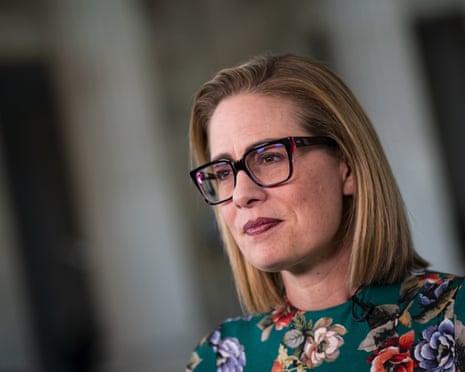
    Kyrsten Sinema now works for the Washington-based legal and lobbying firm Hogan Lovells.

    # Former Senator Kyrsten Sinema Faces “Alienation of Affection” Lawsuit: What California Families Should Know About This Rare Legal Claim

    ## Understanding the Lawsuit Against Former Arizona Senator Kyrsten Sinema

    Former U.S. Senator Kyrsten Sinema is facing a lawsuit filed by Heather Ammel, the ex-wife of Matthew Ammel, who served as part of Sinema’s security detail. The lawsuit, filed in Moore County, North Carolina, seeks at least $75,000 in damages under North Carolina’s “alienation of affection” law—a legal claim that allows former spouses to sue third parties they believe caused the breakdown of their marriage.

    Source: The Guardian – Kyrsten Sinema sued by former bodyguard’s ex-wife over ‘alienation of affection’

    ## What Is an “Alienation of Affection” Lawsuit?

    If you’re wondering “what is alienation of affection?” or “can I sue someone for breaking up my marriage?”—you’re not alone. This type of lawsuit is one of the rarest in U.S. family law today.

    North Carolina is one of only a handful of states that still recognize “alienation of affection” claims, which permit a former spouse to pursue legal action against someone they believe intentionally interfered with their marriage.The lawsuit must demonstrate:

  • The marriage had genuine love and affection
  • A third party’s actions destroyed that affection
  • The third party acted with malicious intent or knew the person was married
  • ## Key Details of the Ammel v. Sinema Case

    According to court documents, Heather Ammel alleges that:

  • Matthew Ammel was hired as part of Sinema’s security team after retiring from the U.S. Army in 2022
  • He traveled with Sinema to multiple destinations including Napa Valley, Las Vegas, and Saudi Arabia
  • In early 2024, Heather discovered “romantic and lascivious” messages between her husband and Sinema via the Signal messaging app
  • Matthew stopped wearing his wedding ring and received a position as a national security fellow in Sinema’s Senate office
  • Sinema allegedly paid for psychedelic treatment for Matthew, who has struggled with PTSD, substance abuse, and traumatic brain injuries from his military service
  • The lawsuit was filed in late 2025, and Sinema has since requested that the case be moved from state court to federal court.Neither Sinema nor her attorney have responded to requests for comment.

    ## Why This Case Matters for California Residents

    While this lawsuit was filed in North Carolina, it raises important questions for California families dealing with marital breakdowns, infidelity, and estate planning concerns.

    California does not recognize alienation of affection claims. However, the case highlights broader issues that California residents frequently face:

  • Marital dissolution and asset protection: When marriages end—especially unexpectedly—families need clear plans to protect assets and ensure financial stability
  • Estate planning after divorce or remarriage: Changes in family dynamics require immediate updates to wills, trusts, and healthcare directives
  • Protecting vulnerable family members: Matthew Ammel’s struggles with PTSD and traumatic brain injuries underscore the importance of healthcare directives and powers of attorney for those dealing with mental health or substance abuse issues
  • ## How California Probate and Trust Can Help You Navigate Family Legal Challenges

    At California Probate and Trust, PC, we understand that family dynamics can change suddenly—through divorce, remarriage, loss, or unexpected legal disputes. If you’re a California resident facing uncertainty about how to protect your family and assets, we offer:

  • Comprehensive estate planning services: From simple wills to complex trusts, we help you create legally sound plans that reflect your current family situation
  • Post-divorce estate plan updates: Ensure your ex-spouse is removed from critical legal documents and that your new wishes are clearly documented
  • Healthcare directives and powers of attorney: Protect yourself and loved ones dealing with PTSD, mental health challenges, or other vulnerabilities
  • Probate administration: Navigate the California probate process with experienced guidance when a loved one passes away
  • We’ve helped thousands of California families protect what matters most. Our compassionate team takes the time to understand your unique situation and provides transparent, affordable solutions.

    ## What Happened to Kyrsten Sinema After Leaving the Senate?

    Sinema left Congress after the 2024 election, declining to seek re-election following a tumultuous term in which she left the Democratic Party to become an independent.She now works for the Washington-based legal and lobbying firm Hogan Lovells, where she has lobbied for data center development and research funding for the psychedelic drug ibogaine.

    ## Schedule Your Free Estate Planning Consultation Today

    Whether you’re dealing with the aftermath of a divorce, planning for your family’s future, or need to update your estate plan after a major life change, California Probate and Trust, PC is here to help.

    Call us at (866) 674-1130 or visit cpt.law to schedule your FREE consultation.

    Our experienced Sacramento-based attorneys serve clients throughout California with compassion, transparency, and personalized legal solutions.

    ## Legal Disclaimer

    This article is provided for informational purposes only and does not constitute legal advice. The information contained herein is based on publicly available court documents and news reports and should not be construed as legal guidance specific to your situation. Laws vary by state, and California does not recognize alienation of affection claims. For personalized legal advice regarding estate planning, probate, divorce, or family law matters, please consult with a qualified attorney. California Probate and Trust, PC is licensed to practice law in California only. Past results do not guarantee future outcomes.