
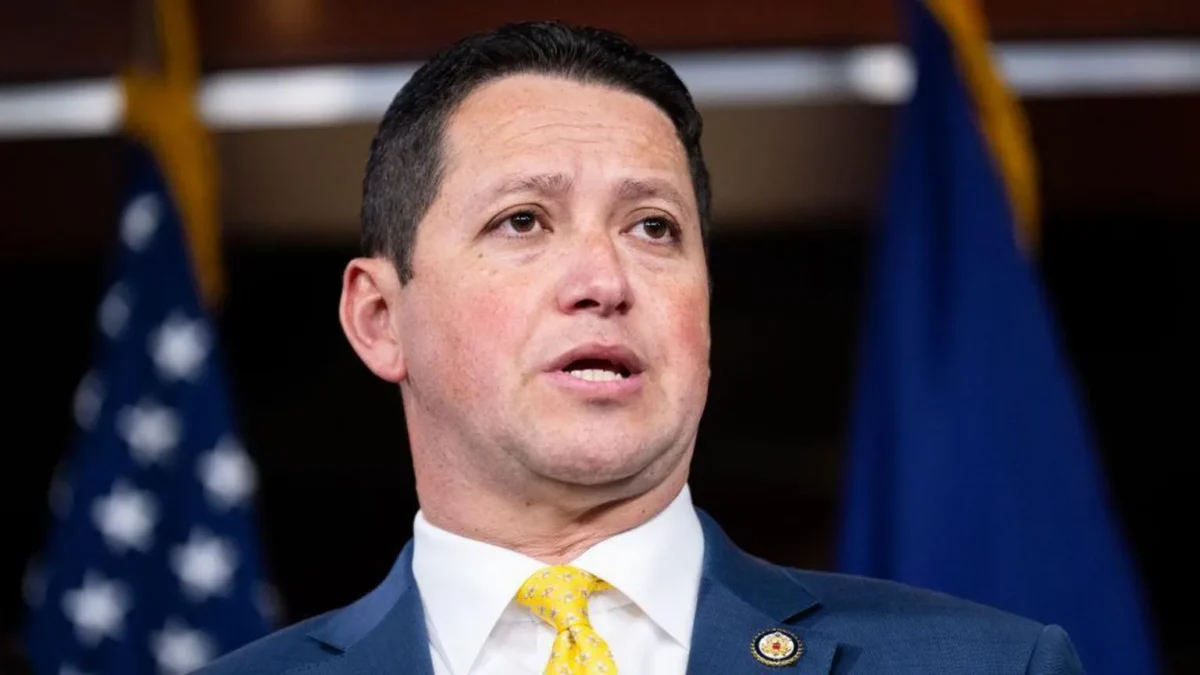
Getty Images Gonzales, seen speaking at an event in Congress
California Estate Planning Lessons From the Tony Gonzales Resignation and Staffer Death (What Families Should Do Now)
If you are a California resident managing family responsibilities, property, or caregiving, sudden and painful events can expose how quickly a family can be pushed into crisis decision-making.
A recent BBC report describes Texas Congressman Tony Gonzales ending a re-election bid after admitting an affair with a staff member who later died by suicide, alongside an ethics investigation and political fallout.BBC report
This story is not a California probate case. But it is a real-world reminder that when life turns unexpectedly, families often need legal authority and a clear plan immediately. The goal of this article is to explain practical, California-focused steps that can reduce confusion, conflict, and delays when a family faces incapacity or death.
Quick answer: key takeaways for California families
Who this is for (and when to get legal help)
This is for:
Speak with a lawyer sooner rather than later if any of these are true:
California Probate and Trust, PC focuses on probate, trust administration, and estate planning for California families, and can help translate “what should happen” into documents and practical steps that actually work when stress is high.
What happened in the news story (and why it matters as a planning lesson)
The BBC report describes:
When a tragedy is intertwined with complicated relationships, public attention, and conflict, it highlights a planning truth that applies to everyday families:
A good California estate plan is not only about taxes or “who gets what.” It is also about reducing the number of emergencies that require a judge, a bank’s legal department, or a family fight to solve.
If someone becomes incapacitated in California: what documents avoid a crisis
Incapacity planning is often the most urgent part of an estate plan because it is needed while the person is alive.
1) Durable Power of Attorney (finances)
A California durable power of attorney can authorize an agent to handle financial tasks such as:
Without authority, family members may be stuck. Banks often cannot talk to an adult child or spouse without documentation, even in emergencies.
2) Advance Health Care Directive (medical decisions)
A California advance health care directive can:
3) HIPAA authorization (information access)
Even when someone is trying to help, medical providers may be limited in what they can share. A HIPAA authorization can help the right people get information quickly.
When conservatorship may be necessary
If there is no valid planning, or there are disputes about who should act, the family may need a conservatorship in California. Conservatorships can be time-consuming and stressful, and they create ongoing court supervision.
If someone dies owning property in California: how to reduce probate exposure
California probate can be slow and expensive, especially when real estate is involved. Many families aim to reduce probate risk with advance planning.
Revocable living trust: a common probate-avoidance tool
A revocable living trust can help avoid probate for assets that are properly titled in the trust.
Practical reality:
Pour-over will (a backstop, not the main plan)
Many trust-based plans include a pour-over will, which is designed to capture assets outside the trust and move them into the trust at death. Depending on the assets, probate may still be required.
Beneficiary designations and “set it and forget it” mistakes
Retirement accounts and life insurance often pass by beneficiary designation, not by the will.
Common problems include:
Mini-scenarios (anonymized): what we see in real California matters
Scenario A: A Los Angeles homeowner becomes suddenly incapacitated
A parent has a stroke. Adult children need to pay bills, manage property, and coordinate care. There is no power of attorney.
Typical outcome without planning:
Scenario B: A San Diego blended family faces disputes after death
A person dies owning a home and accounts. The surviving partner and adult children from a prior relationship disagree about who should control the process.
Typical risk areas:
What to do now: a practical California checklist
Step 1: Identify the “decision-makers”
Step 2: Cover the core documents
Step 3: Make sure the plan matches the assets
Step 4: Reduce conflict by documenting intent
FAQs
How can I avoid probate in California if I own a home?
Many California homeowners use a properly funded revocable living trust to help avoid probate for the home. The right approach depends on how the property is titled and the full asset picture.
What happens if someone is incapacitated and there is no power of attorney in California?

About the Author: Dustin MacFarlane, Esq.
California Licensed Attorney | Estate Planning Specialist
Dustin MacFarlane is the founder of California Probate and Trust, PC, with over 15 years of experience in estate planning, probate administration, and trust law. Licensed by the California State Bar, Dustin has helped thousands of California families protect their assets and plan for the future.
CA Bar License: Active | Practice Areas: Estate Planning, Probate, Trust Administration | Location: Granite Bay, CA