
California Legal Implications: Don’t Outsource Your Future to a Prediction
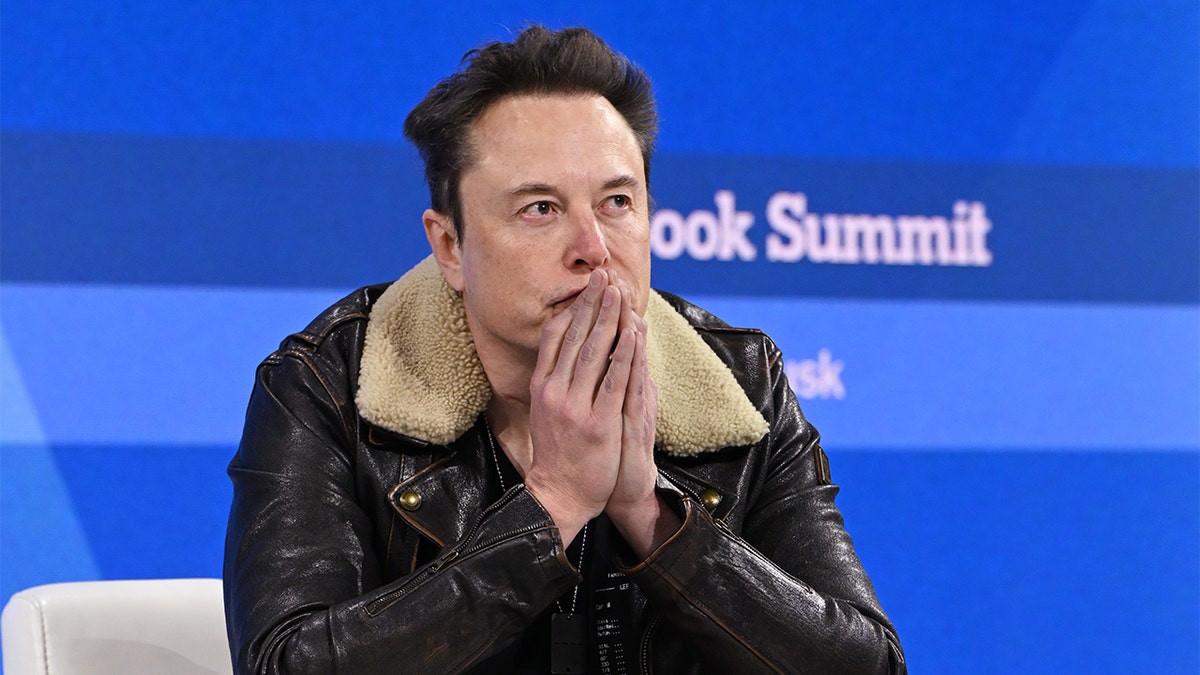
A recent opinion piece from Fox News highlights comments from billionaire Elon Musk suggesting that people can stop saving for retirement due to a future where artificial intelligence creates universal abundance. While this vision of the future is intriguing, relying on it as a financial strategy is incredibly risky. For California families, this serves as a powerful reminder that securing your future and legacy requires proactive, concrete planning, not passive optimism. highlights comments from billionaire Elon Musk suggesting that people can stop saving for retirement due to a future where artificial intelligence creates universal abundance. While this vision of the future is intriguing, relying on it as a financial strategy is incredibly risky. For California families, this serves as a powerful reminder that securing your future and legacy requires proactive, concrete planning, not passive optimism.
Estate planning is the definitive counter-argument to a “wait and see” approach. It is the process of taking absolute control over your assets and well-being, ensuring your wishes are followed regardless of technological advancements or economic shifts. Hoping that a utopian future will solve financial challenges is not a strategy; creating a legally sound estate plan is. Just as financial advisors warn against delaying retirement savings, legal professionals caution against delaying the creation of foundational estate planning documents. The consequences of inaction in both arenas can be devastating for your family.
Why Hope is Not an Estate Planning Strategy
Relying on a speculative future is akin to having no plan at all. In California, the absence of a plan means the state has one for you through its laws of intestacy. This default plan involves a public, often lengthy, and expensive court process called probate, where a judge, not you, determines how your assets are distributed and who cares for your minor children., where a judge, not you, determines how your assets are distributed and who cares for your minor children.
A comprehensive estate plan replaces this uncertainty with your clear, legally enforceable instructions. It empowers you to protect your assets, provide for your loved ones, and maintain your dignity. Key documents for California residents include:
– Revocable Living Trust: This is the cornerstone of many California estate plans. A trust allows you to transfer your assets into a legal entity that you control during your lifetime. Upon your incapacity or death, your chosen successor trustee steps in to manage and distribute the assets according to your precise instructions, completely avoiding the probate court process.
– Pour-Over Will: This type of will works with your living trust, ensuring any assets accidentally left out of the trust are “poured over” into it upon your death. It is also the legal document where you nominate guardians for your minor children.
– Durable Power of Attorney: This document allows you to appoint an agent to manage your financial affairs if you become incapacitated. Without it, your family may need to petition a court for a conservatorship, a costly and burdensome process.
– Advance Health Care Directive: This legally appoints an agent to make medical decisions on your behalf if you cannot. It also allows you to state your wishes regarding life-sustaining treatment, providing clear guidance to your family and medical providers during difficult times.: This legally appoints an agent to make medical decisions on your behalf if you cannot. It also allows you to state your wishes regarding life-sustaining treatment, providing clear guidance to your family and medical providers during difficult times.
Integrating Retirement Accounts into Your California Estate Plan
The news story focuses on retirement savings, a critical asset for most families. However, simply saving is not enough; you must also plan for how these assets are passed on. Retirement accounts like 401(k)s and IRAs do not automatically pass through a will or trust. They are transferred via beneficiary designations.
Naming beneficiaries directly can sometimes create problems. For example, leaving a large IRA to a young adult outright gives them immediate, unrestricted access. If you have a beneficiary with special needs, a direct inheritance could disqualify them from essential government benefits.
A well-drafted trust can be named as the beneficiary of your retirement accounts, offering far greater control and protection. A trust allows your successor trustee to manage the funds, distribute them over time according to your wishes, protect the assets from creditors or a beneficiary’s divorce, and preserve eligibility for public benefits. This strategy ensures your hard-earned retirement savings serve your family as you intended. to manage the funds, distribute them over time according to your wishes, protect the assets from creditors or a beneficiary’s divorce, and preserve eligibility for public benefits. This strategy ensures your hard-earned retirement savings serve your family as you intended.
The Danger of Delay
The original article correctly points out that delaying retirement savings means losing the immense power of compound interest. The same principle applies to estate planning. The cost of delaying is uncertainty, family conflict, and the potential for significant financial loss through the probate process. process.
Establishing your estate plan now provides immediate peace of mind and protection. It is a living plan that can be reviewed and updated as your life circumstances, finances, and family dynamics change. Waiting for a crisis or a predicted technological revolution is a gamble no family should take. By acting now, you ensure that you, not a court or a futuristic prediction, are in control of your legacy.
About This Case
Source: Elon Musk says you can skip retirement savings in the age of AI. Not so fast
California Probate and Trust, PC Can Help
– Free consultations: (866)-674-1130
– Experienced California estate planning
– Schedule consultation
– Learn more: cpt.law
– Free consultations: (866)-674-1130
– Experienced California estate planning
– Schedule consultation
– Learn more: cpt.law
Legal Disclaimer
This article is for informational purposes only. Consult with a qualified California estate planning attorney for advice specific to your situation.

About the Author: Dustin MacFarlane, Esq.
California Licensed Attorney | Estate Planning Specialist
Dustin MacFarlane is the founder of California Probate and Trust, PC, with over 15 years of experience in estate planning, probate administration, and trust law. Licensed by the California State Bar, Dustin has helped thousands of California families protect their assets and plan for the future.
CA Bar License: Active | Practice Areas: Estate Planning, Probate, Trust Administration | Location: Granite Bay, CA