
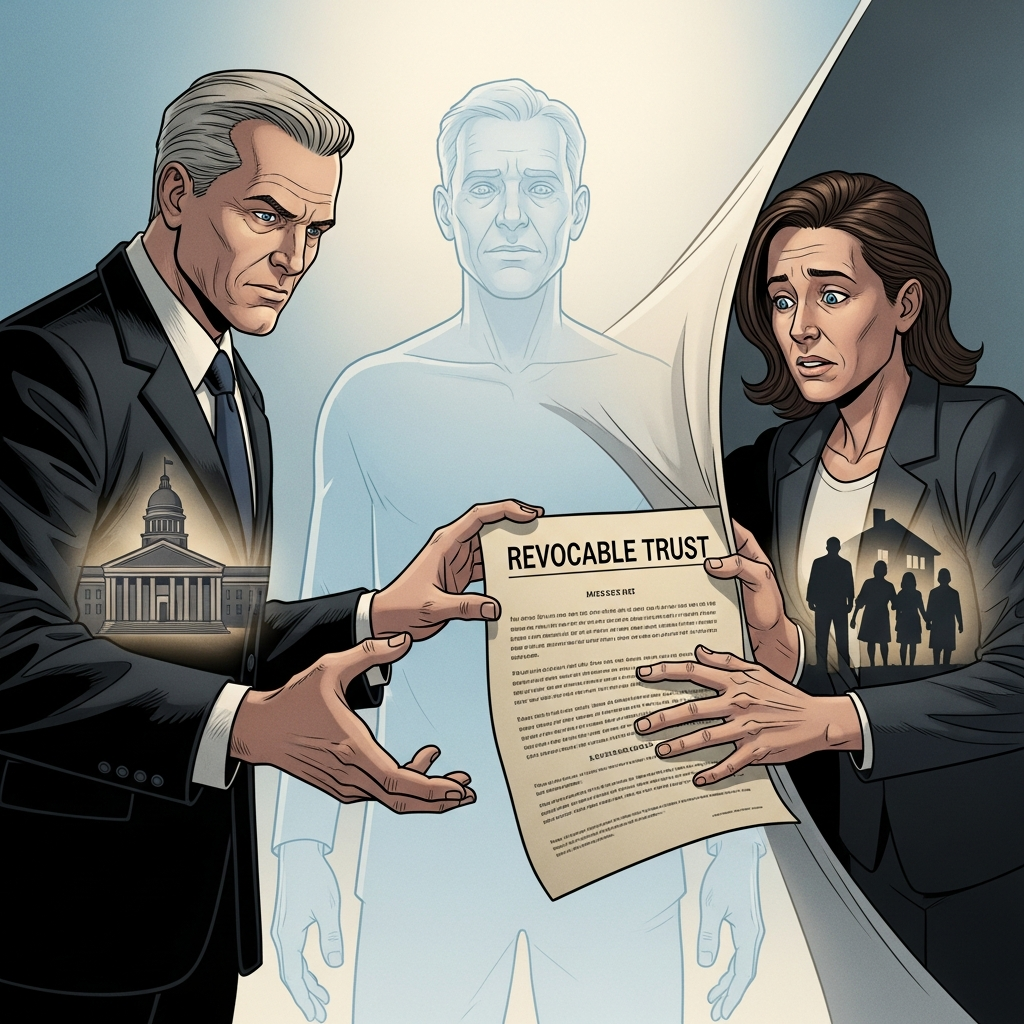
California Legal Implications: Medi-Cal Recovery and Trust Assets
A recent appellate court ruling highlights the complex and changing landscape of Medi-Cal Estate Recovery in California. In the case of *Riverside County Public Guardian v. Snukst*, the court determined that the assets in a Revocable Living Trust were subject to reimbursement for Medi-Cal benefits because the decedent passed away in 2016, prior to significant legislative changes. You can read the full opinion here..
For California families today, this case serves as a crucial reminder of how estate planning laws evolve and the importance of shielding assets from potential government recovery. While the laws have become more favorable for heirs since 2017, understanding the distinction between the “probate estate” and trust assets remains vital for preserving generational wealth.
The Evolution of Medi-Cal Recovery Rules
The *Snukst* case turned on the date of the decedent’s death. Under the law applicable prior to January 1, 2017, California utilized a broad federal definition of “estate” for Medi-Cal recovery purposes. This definition included assets conveyed to heirs through living trusts, effectively making trust assets fair game for the Department of Health Care Services (DHCS) to recoup costs paid for medical care.
However, on January 1, 2017, California Senate Bill 833 (SB 833) dramatically changed these rules. For individuals who pass away on or after this date, Medi-Cal Estate Recovery is generally limited only to the “probate estate.” is generally limited only to the “probate estate.”
Why a Revocable Living Trust is Powerful Today
Because current law limits recovery to the probate estate, assets held within a properly funded Revocable Living Trust typically avoid the probate process entirely. Consequently, for many Californians, placing a home or other significant assets into a trust can legally shield those assets from Medi-Cal recovery claims after death. typically avoid the probate process entirely. Consequently, for many Californians, placing a home or other significant assets into a trust can legally shield those assets from Medi-Cal recovery claims after death.
Had the decedent in the *Snukst* case passed away just a few months later, in 2017, the outcome likely would have been different, and the trust assets might have passed to the beneficiary intact. This highlights the necessity of:
1. Creating a Comprehensive Estate Plan: Relying on a Will alone often leads to probate, which subjects assets to mandatory creditor claims, including Medi-Cal.
2. Updating Estate Plans: Laws change frequently. What was true a decade ago regarding asset protection may not be true today.
3. Proper Trust Funding: A trust only works if assets are properly retitled in the name of the trust.: A trust only works if assets are properly retitled in the name of the trust.
About This Case
In *Riverside County Public Guardian v. Snukst*, the decedent received approximately $480,000 in Medi-Cal benefits before dying in 2016. His assets were held in a revocable trust. The appellate court ruled that because he died before the 2017 law change, the old rules applied, subjecting the trust assets to reimbursement claims by the state.
California Probate and Trust, PC Can Help
– Free consultations: (866)-674-1130
– Experienced California estate planning
– Schedule consultation
– Learn more: cpt.law
Legal Disclaimer
This article is for informational purposes only. Consult with a qualified California estate planning attorney for advice specific to your situation.

About the Author: Dustin MacFarlane, Esq.
California Licensed Attorney | Estate Planning Specialist
Dustin MacFarlane is the founder of California Probate and Trust, PC, with over 15 years of experience in estate planning, probate administration, and trust law. Licensed by the California State Bar, Dustin has helped thousands of California families protect their assets and plan for the future.
CA Bar License: Active | Practice Areas: Estate Planning, Probate, Trust Administration | Location: Granite Bay, CA
Why Estate Planning Matters in California
California has unique estate planning laws that differ significantly from other states. Without proper planning, your assets may not pass according to your wishes, and your family could face unnecessary probate court proceedings.
A comprehensive California estate plan typically includes:
- A revocable living trust to avoid probate
- Pour-over will as a safety net
- Advance health care directive
- Durable power of attorney for finances
- Beneficiary designations on retirement accounts and life insurance
How Trusts Work in California
California’s trust law (Probate Code Division 9) governs how trusts are created, administered, and terminated. Understanding these rules is essential for effective estate planning.
Key benefits of California trusts:
- Avoid probate: Assets in a properly funded trust bypass California’s lengthy probate process
- Privacy: Unlike wills (which become public in probate), trusts remain private
- Control: You maintain control during your lifetime and direct distribution after death
- Incapacity planning: Your successor trustee manages assets if you become incapacitated
- Tax planning: Trusts can help minimize estate and income taxes
Need Expert Estate Planning Guidance?
California estate planning law is complex and constantly evolving. Don’t navigate it alone.
California Probate and Trust, PC has helped thousands of California families protect their assets and plan for the future.
📞 Call us today:
- Main Office: 866-400-0058
- Direct: 916-963-9968