
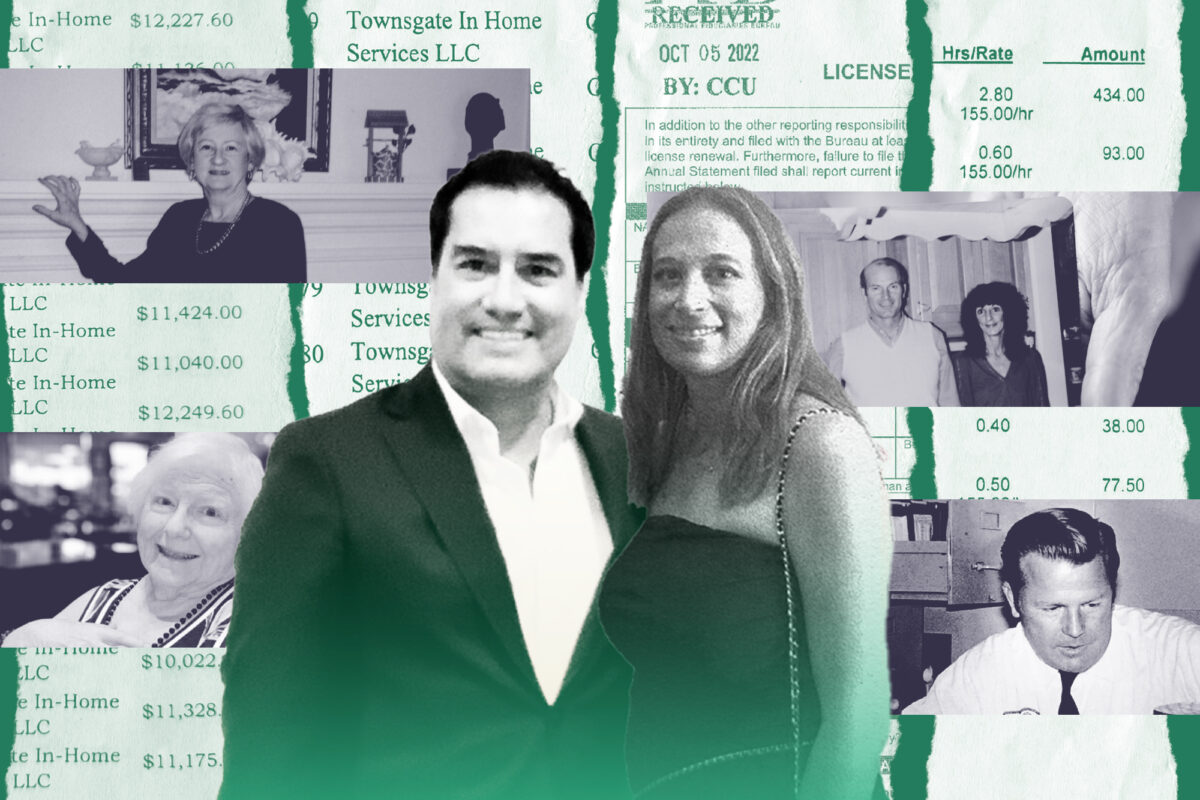
Illustration by Gabe Hongsdusit for CalMatters, based on images from Facebook and court records, and provided by family members.
Conservatorship Conflicts of Interest in California: What Families Should Know and What to Do
If you are a California resident helping an aging parent, or you have been pulled into a conservatorship case for a loved one, you already know how overwhelming the process can feel. In a conservatorship, a court-appointed conservator can control major life and money decisions. That level of power makes transparency and accountability essential.
A recent CalMatters investigation highlights concerns about potential conflicts of interest and court oversight in certain conservatorship matters.CalMatters investigation
This article uses that reporting as a starting point to explain, in plain language, how California conservatorships work, what the rules are around conflicts of interest, and the practical steps families can take to protect a conservatee and reduce the risk of financial abuse.
Quick answer: key takeaways
Who this is for
This is for:
What is a conservatorship in California (and why it can go wrong)
A conservatorship is a court proceeding where a judge appoints a conservator to manage the conservatee’s:
Conservatorships often involve vulnerable people. That vulnerability can attract conflict. Problems tend to arise when:
Conflicts of interest and self-dealing: the issue at the heart of many disputes
A conflict of interest is any situation where a conservator’s personal, family, or business interests could reasonably affect decision-making for the conservatee.
Self-dealing is a common related concept. It generally means the conservator benefits financially from decisions they make in their fiduciary role.
Examples that frequently raise red flags:
Even when something is legally disclosed, it may still be inappropriate if a reasonable person would view it as unfair or not truly necessary.
What California expects from conservators (fiduciary duties in plain English)
Conservators are fiduciaries. In practical terms, that means:
A conservator should be prepared to explain, in writing and with supporting documents:
Court approval and disclosures: what families should understand
In many conservatorship matters, major actions require a petition and a court order. Depending on the situation, that can include:
A common misconception is that “the judge approved it” automatically means “it was fair.” Courts handle heavy calendars and often rely on the paperwork submitted. If information is missing, unclear, or misleading, a harmful arrangement can still be approved.
Warning signs of financial abuse in a conservatorship
Families often sense that something is wrong before they can prove it. Common warning signs include:
What you can do right now if you are concerned
1. Get organized and request documentation
Start with a timeline and document file:
If you are entitled to receive notices in the case, keep a folder of every notice and hearing date.
2. Review accountings carefully
Accountings are where many problems appear. Watch for:
3. Object, request limits, or seek a different conservator
Depending on the facts, your attorney may help you:
4. Report concerns to appropriate agencies
Depending on the issue, reporting channels may include:
A lawyer can help coordinate reporting so you preserve evidence and avoid unintended consequences in the court case.
How good estate planning can reduce conservatorship risk
Many conservatorships happen because there is no effective plan in place. Strong planning can reduce the likelihood of a contested, expensive court process.
Common tools include:
For California homeowners, trust funding is a frequent failure point. A trust that is not funded with real estate and key accounts may not prevent court involvement.
Why families should speak with a California probate and conservatorship attorney early
You should get legal advice sooner rather than later if:

About the Author: Dustin MacFarlane, Esq.
California Licensed Attorney | Estate Planning Specialist
Dustin MacFarlane is the founder of California Probate and Trust, PC, with over 15 years of experience in estate planning, probate administration, and trust law. Licensed by the California State Bar, Dustin has helped thousands of California families protect their assets and plan for the future.
CA Bar License: Active | Practice Areas: Estate Planning, Probate, Trust Administration | Location: Granite Bay, CA