
California Legal Implications: Unique Real Estate and Estate Planning
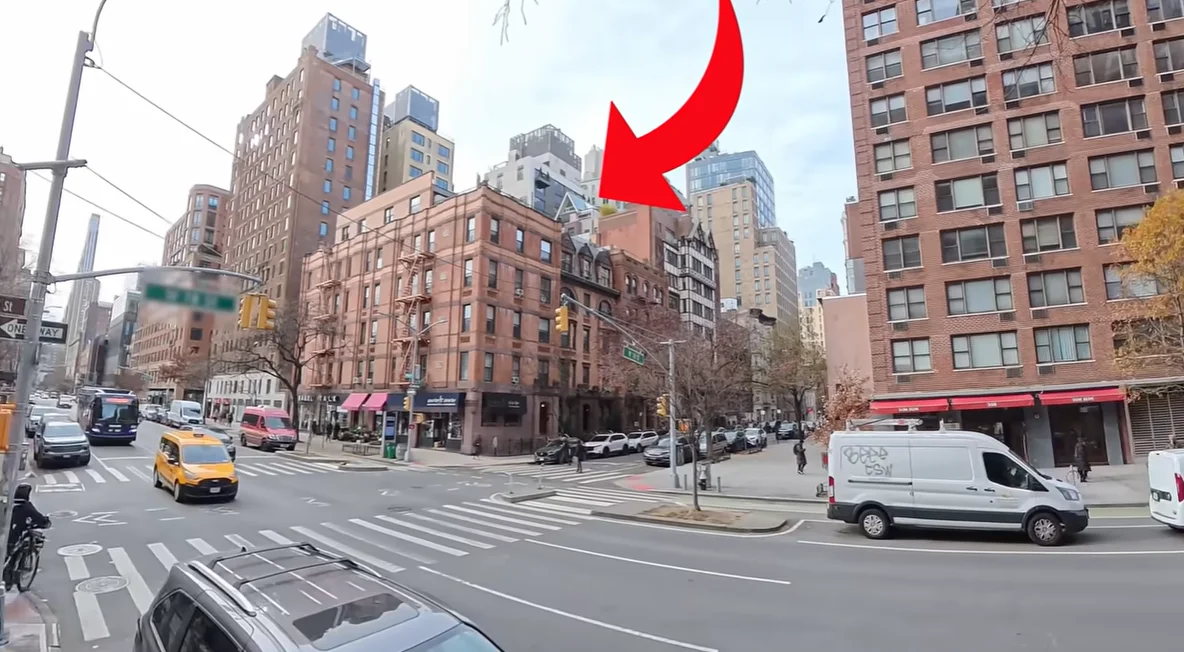
Architect Andrew Tesoro’s story of transforming a janitor’s closet into a sprawling rooftop chalet highlights the incredible potential of real estate development rights. As detailed in a recent Supercar Blondie article, Tesoro purchased a small unit for $150,000 and utilized the building’s air rights to construct a custom $200,000 home on top of a Manhattan skyscraper. For California homeowners, this story illustrates critical concepts regarding property value, capital improvements, and how unique real estate assets must be handled during estate planning., Tesoro purchased a small unit for $150,000 and utilized the building’s air rights to construct a custom $200,000 home on top of a Manhattan skyscraper. For California homeowners, this story illustrates critical concepts regarding property value, capital improvements, and how unique real estate assets must be handled during estate planning.
Development Rights and Property Value
Tesoro’s investment wasn’t just in the physical apartment; it was in the “development rights” that allowed him to build upward. In California, similar concepts apply, particularly with the rise of Accessory Dwelling Units (ADUs). When planning an estate, it is vital to understand that the potential to build or expand on a property adds significant value. If you own property with unused development rights or potential for subdivision, this value must be accurately captured in your estate plan to ensure equitable distribution among beneficiaries.. When planning an estate, it is vital to understand that the potential to build or expand on a property adds significant value. If you own property with unused development rights or potential for subdivision, this value must be accurately captured in your estate plan to ensure equitable distribution among beneficiaries.
Capital Improvements and the Step-Up in Basis
Tesoro bought his unit for roughly $150,000 and spent $200,000 on improvements. Decades later, that property is likely worth millions. In California, if a property is sold during the owner’s lifetime, they may face substantial Capital Gains Taxes on the appreciation. on the appreciation.
However, through proper estate planning using a Revocable Living Trust, property left to beneficiaries receives a Step-Up in Basis. This means the tax basis of the property is adjusted to its current market value at the time of the owner’s death. If Tesoro’s son were to inherit the rooftop home, the taxable gain would wipe away the decades of appreciation, potentially saving the heir hundreds of thousands of dollars in taxes if he chooses to sell.. This means the tax basis of the property is adjusted to its current market value at the time of the owner’s death. If Tesoro’s son were to inherit the rooftop home, the taxable gain would wipe away the decades of appreciation, potentially saving the heir hundreds of thousands of dollars in taxes if he chooses to sell.
Transferring Unique Assets via Trust
The article notes that the home features eccentric elements, such as a temporary construction staircase and exposed water towers. Unique, “passion project” homes can be difficult to value and challenging to sell. A Will or Trust should provide clear instructions on how to handle such specific assets. should provide clear instructions on how to handle such specific assets.
Without a comprehensive plan, a unique property might force a family into Probate Court, where a judge would oversee the administration of the estate. This process is public, expensive, and time-consuming. By placing the home in a Trust, the owner can dictate whether the home should be maintained for the family, sold by the Successor Trustee, or donated, bypassing the courts entirely., or donated, bypassing the courts entirely.
About This Case
California Probate and Trust, PC Can Help
– Experienced California estate planning
– Schedule consultation
– Learn more: cpt.law
Legal Disclaimer
This article is for informational purposes only. Consult with a qualified California estate planning attorney for advice specific to your situation.
Why Estate Planning Matters in California
California has unique estate planning laws that differ significantly from other states. Without proper planning, your assets may not pass according to your wishes, and your family could face unnecessary probate court proceedings.
A comprehensive California estate plan typically includes:
- A revocable living trust to avoid probate
- Pour-over will as a safety net
- Advance health care directive
- Durable power of attorney for finances
- Beneficiary designations on retirement accounts and life insurance
How Trusts Work in California
California’s trust law (Probate Code Division 9) governs how trusts are created, administered, and terminated. Understanding these rules is essential for effective estate planning.
Key benefits of California trusts:
- Avoid probate: Assets in a properly funded trust bypass California’s lengthy probate process
- Privacy: Unlike wills (which become public in probate), trusts remain private
- Control: You maintain control during your lifetime and direct distribution after death
- Incapacity planning: Your successor trustee manages assets if you become incapacitated
- Tax planning: Trusts can help minimize estate and income taxes
Need Expert Estate Planning Guidance?
California estate planning law is complex and constantly evolving. Don’t navigate it alone.
California Probate and Trust, PC has helped thousands of California families protect their assets and plan for the future.
📞 Call us today:
- Main Office: 866-400-0058
- Direct: 916-963-9968

About the Author: Dustin MacFarlane, Esq.
California Licensed Attorney | Estate Planning Specialist
Dustin MacFarlane is the founder of California Probate and Trust, PC, with over 15 years of experience in estate planning, probate administration, and trust law. Licensed by the California State Bar, Dustin has helped thousands of California families protect their assets and plan for the future.
CA Bar License: Active | Practice Areas: Estate Planning, Probate, Trust Administration | Location: Granite Bay, CA