
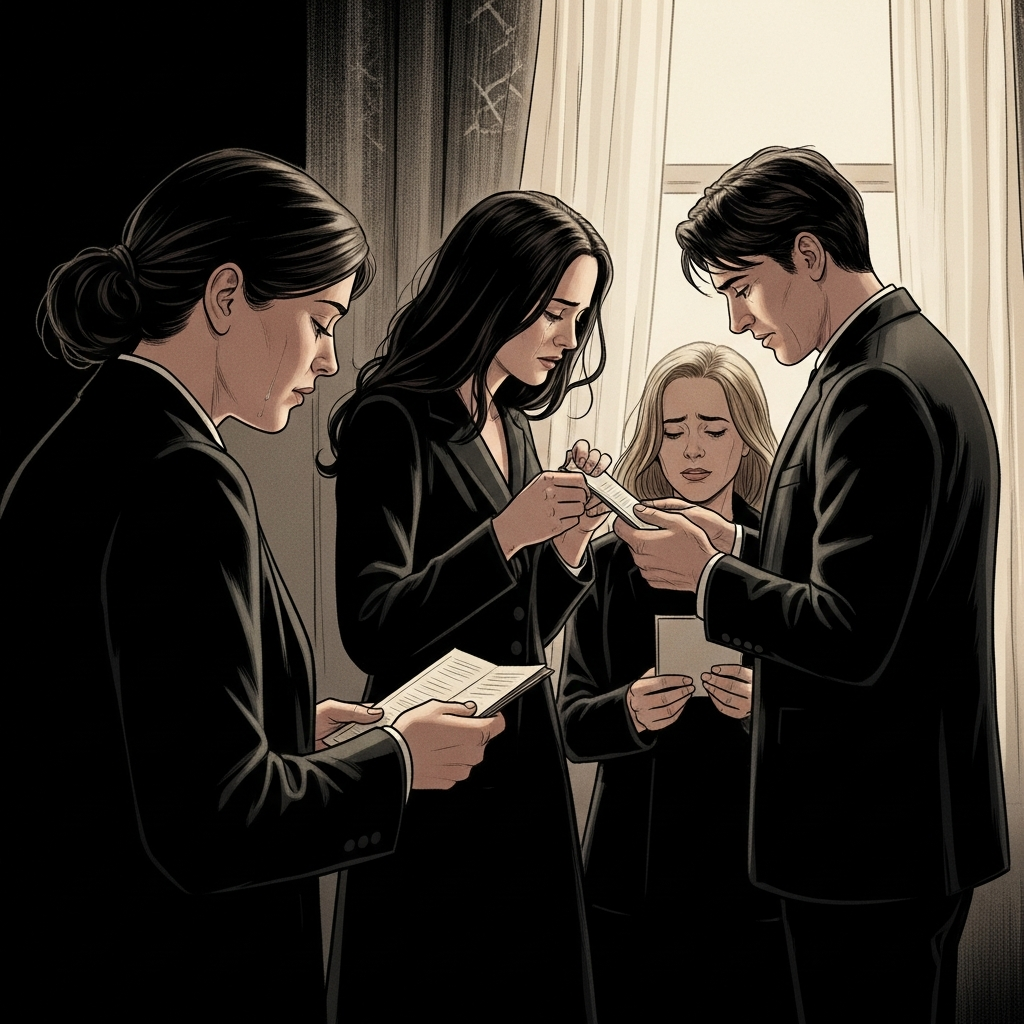
Losing a spouse is one of life’s most difficult experiences. But for some California residents, the grieving process becomes even more complicated when hidden secrets surface after a husband or wife passes away—secrets about finances, relationships, or undisclosed assets that can leave surviving family members feeling confused, betrayed, and uncertain about their legal rights.
If you’re a California resident navigating the aftermath of a spouse’s death and have recently uncovered unexpected information, you’re not alone. This guide explains what legal steps you should take, how California probate law addresses these situations, and why having a comprehensive estate plan can prevent these painful surprises for your own family.
Source: This article references a recent advice column from MassLive’s Dear Abby: Unraveling Secrets After a Husband’s Death.
Common Secrets That Surface After a Spouse’s Death
When a husband or wife dies, surviving spouses often discover information that was intentionally hidden or simply never discussed. These revelations can include:
Each of these situations raises important legal questions about asset distribution, creditor claims, and the validity of existing estate planning documents.
How Does California Probate Law Handle Undisclosed Assets?
California is a community property state, which means that most assets acquired during a marriage are considered jointly owned by both spouses—regardless of whose name appears on the title or account. When one spouse dies, the surviving spouse is typically entitled to their half of the community property, plus whatever portion the deceased spouse left them through a will or trust.
However, when hidden assets are discovered after death, several legal issues can arise:
The probate process in California requires a full accounting of all assets and debts. If you discover hidden assets after your spouse’s death, it’s essential to work with an experienced California probate attorney who can help you understand your rights and ensure proper asset distribution.
What Should You Do If You Discover Secrets After Your Spouse Dies?
If you’re dealing with unexpected discoveries after losing your spouse, here are the steps you should take:
How Can Estate Planning Prevent These Problems for Your Family?
The emotional pain of discovering secrets after a spouse’s death is often compounded by legal uncertainty and family conflict. If you want to protect your own family from this experience, comprehensive estate planning is essential.
Here’s how proper planning prevents these issues:
Why California Residents Choose California Probate and Trust, PC
California Probate and Trust, PC serves California residents who value transparency and family protection. Whether you’re currently navigating probate after a spouse’s death or want to create an estate plan that prevents these problems for your own family, our experienced attorneys provide the comprehensive legal guidance you need.
Our firm handles both sides of estate planning:
We understand that dealing with secrets after a spouse’s death creates both emotional and legal challenges. Our compassionate approach combines legal expertise with sensitivity to your situation, helping you navigate this difficult time with confidence.
Common Questions California Residents Ask About Hidden Assets and Probate
What if my spouse had a secret bank account—am I entitled to that money?
In most cases, yes. California’s community property laws mean that assets acquired during marriage are jointly owned, regardless of whose name is on the account. You’re typically entitled to at least half of that account, and possibly more depending on your spouse’s will or trust.
Can I challenge my spouse’s will if I discover they left assets to someone I didn’t know about?
California law provides surviving spouses with certain protections, including the right to a minimum portion of the estate. If you believe the will was created under duress, fraud, or when your spouse lacked mental capacity, you may have grounds to contest it. An experienced probate attorney can evaluate your specific situation.
What happens if my spouse had debts I didn’t know about?
Community debts incurred during marriage are generally the responsibility of both spouses in California. However, your personal liability depends on several factors, including whether you co-signed for the debt and what assets are available in the estate. California law limits creditors’ ability to pursue surviving spouses in certain circumstances.
How long do I have to discover hidden assets after my spouse dies?
There’s no absolute deadline for discovering assets, but timing matters. Probate cases typically close within 12-18 months, and creditor claims have specific deadlines. If you discover assets after probate closes, reopening the estate is possible but more complicated. Act quickly when you discover new information.
Should I hire a probate attorney even if my spouse had a trust?
Yes, especially if you’ve discovered hidden assets or unexpected information. Even with a trust in place, undisclosed assets, creditor claims, or beneficiary disputes can create legal complications. An attorney ensures that all assets are properly accounted for and distributed according to law.
Protect Your Family’s Future with Comprehensive Estate Planning
Whether you’re currently navigating the painful discovery of secrets after a spouse’s death or want to ensure your own family never faces this situation, California Probate and Trust, PC provides the experienced legal guidance California residents need.
Our attorneys understand both the emotional and legal complexities of these situations. We’ve helped thousands of California families through probate administration and estate planning, providing clarity during uncertain times and creating comprehensive plans that protect what matters most.
Take the Next Step
Don’t navigate these complex legal issues alone. Contact California Probate and Trust, PC today to schedule a consultation with one of our experienced estate planning and probate attorneys. We’ll review your situation, explain your options, and develop a strategy that protects your interests and your family’s future.
Call (866) 674-1130 or visit cpt.law to schedule your consultation.
Our offices serve clients throughout California, with convenient locations in Fair Oaks, Sacramento, and San Francisco.
Legal Disclaimer: This article is provided for informational purposes only and does not constitute legal advice. Every estate situation is unique, and California probate and estate planning laws are complex. The information in this article should not be relied upon as a substitute for consultation with a qualified attorney. California Probate and Trust, PC makes no representations or warranties regarding the accuracy or completeness of this information. For specific legal guidance regarding your situation, please contact our firm to schedule a consultation with one of our attorneys.

About the Author: Dustin MacFarlane, Esq.
California Licensed Attorney | Estate Planning Specialist
Dustin MacFarlane is the founder of California Probate and Trust, PC, with over 15 years of experience in estate planning, probate administration, and trust law. Licensed by the California State Bar, Dustin has helped thousands of California families protect their assets and plan for the future.
CA Bar License: Active | Practice Areas: Estate Planning, Probate, Trust Administration | Location: Granite Bay, CA