
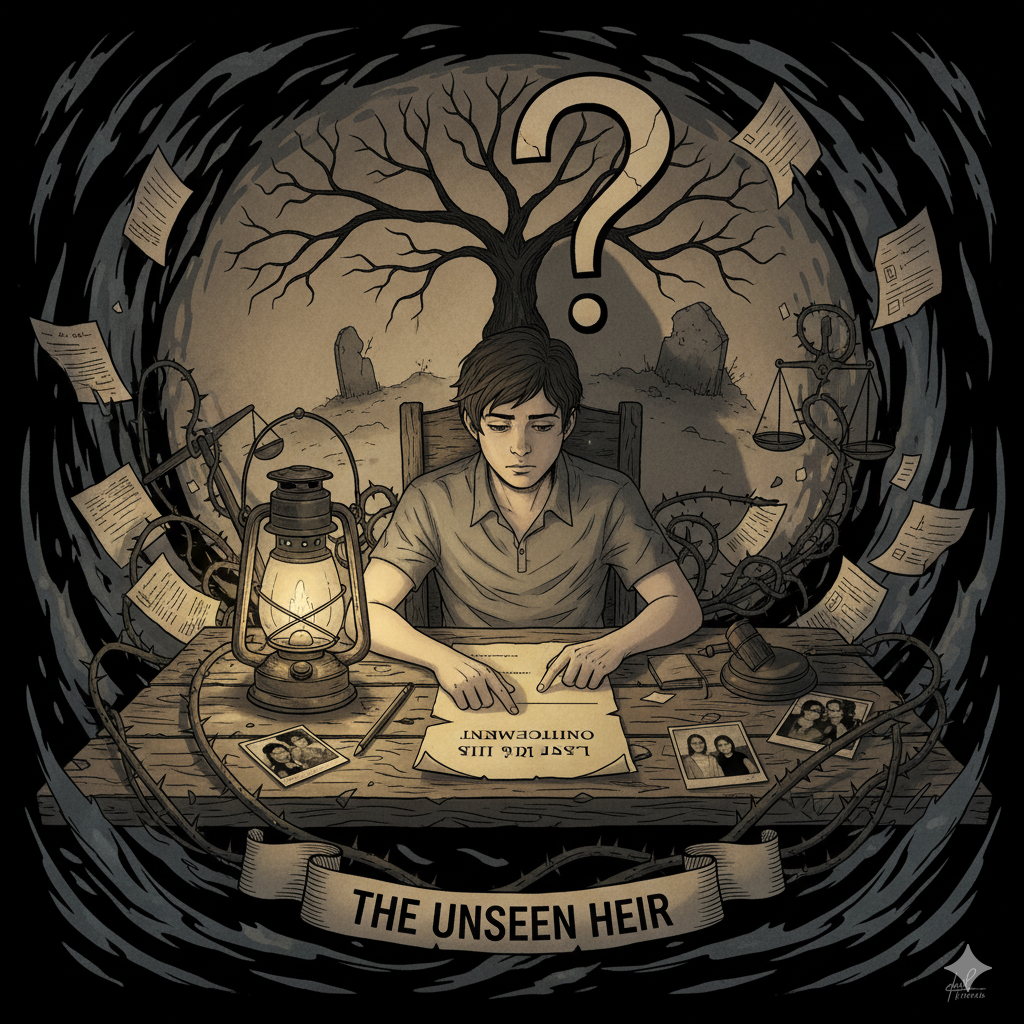
To inherit a share of a parent’s estate as an omitted child, the child must show that the sole reason for omission was that the testator was unaware of the child’s birth.
Source: California Lawyers Association – Estate of Williams
Can a Child Inherit From a Parent’s Estate If They Were Unintentionally Omitted From the Will?
If you’re managing a California estate or worried that a child may have been left out of a will unintentionally, understanding the legal rights of omitted children is critical. Under California probate law, a child who can prove they were excluded solely because the parent (testator) did not know about their birth may be entitled to inherit a share of the estate.
This article explains what the Estate of Williams case means for California families, how omitted child claims work, and what steps you should take to protect your loved ones.
Who Is This Article For?
This guide is for:
- Adult children who believe they were unintentionally left out of a parent’s estate plan
- Parents and blended families concerned about ensuring all children are accounted for in estate documents
- Executors and trustees navigating probate when questions arise about omitted heirs
- California residents seeking clarity on probate rights and estate planning protections
What Does “Omitted Child” Mean in California Probate Law?
An omitted child is a child who was not included in a parent’s will or trust, either intentionally or unintentionally. California Probate Code sections provide legal protections for children who were left out due to oversight—especially when the parent was unaware of the child’s existence at the time the estate plan was created.
According to the ruling in Estate of Williams, to successfully claim a share of the estate, the omitted child must demonstrate that the sole reason for their exclusion was that the testator did not know about their birth.
How Can an Omitted Child Prove Their Case?
To inherit under California law as an omitted child, you must show:
- The testator (parent) created a will or trust
- You were born before or after the will was executed
- You were not mentioned or provided for in the will
- The reason you were omitted was solely because the testator was unaware of your birth
This is a fact-intensive determination. Courts will review:
- Timing of the will’s creation and the child’s birth
- Communication records or acknowledgment of paternity/maternity
- Whether the testator later learned of the child and chose not to update the estate plan
Real-World Example: When Does This Apply?
Imagine a father creates a will in 2010, naming his two known children as beneficiaries. In 2015, he learns he has a third child from a previous relationship but passes away in 2018 without updating his will. The third child may have a claim—but only if they can prove the father had no knowledge of their existence when the will was originally drafted in 2010.
If the father knew about the child in 2015 and still chose not to update his will, the child may not qualify as “omitted” under the statute.
What Happens If You Qualify as an Omitted Child?
If the court finds in favor of the omitted child, they will typically receive:
- A share of the estate equivalent to what they would have inherited under California’s intestacy laws (if the parent had died without a will)
- This share comes from the estate’s residual assets and may reduce distributions to other named beneficiaries
How to Prevent Omitted Child Issues in Your Estate Plan
If you’re creating or updating your estate plan in California, here’s how to avoid unintentional omissions:
- Name all your children explicitly in your will or trust, even if you choose to leave them unequal shares or disinherit them intentionally (with clear language)
- Include an “all-children” clause that accounts for any children born or adopted after the document is signed
- Update your plan after major life events such as marriage, divorce, remarriage, or the birth of a child
- Work with an experienced California estate planning attorney who understands omitted heir statutes and can help you draft language that protects your intentions
Why Work With California Probate and Trust, PC?
At California Probate and Trust, PC, we help California families navigate the complexities of estate planning and probate with transparency and care. Whether you’re concerned about protecting all your heirs or you’re facing a probate dispute as an omitted child, our experienced attorneys provide:
- Free consultations to assess your situation and goals
- Clear, compassionate guidance through probate and trust administration
- Customized estate plans that prevent future family conflict
- Representation in probate litigation when disputes arise
We’ve helped thousands of clients across Sacramento, Fair Oaks, and San Francisco protect their families and legacies. Our mission is to give you confidence and control over your future.
Take Action Today
If you’re dealing with an omitted child situation—either as a parent planning your estate or as a child seeking your rightful inheritance—don’t wait. California probate law has strict deadlines, and early action can make all the difference.
Schedule your free consultation with California Probate and Trust, PC today. Call (866) 674-1130 or visit cpt.law to get started.
Source: California Lawyers Association – Estate of Williams

About the Author: Dustin MacFarlane, Esq.
California Licensed Attorney | Estate Planning Specialist
Dustin MacFarlane is the founder of California Probate and Trust, PC, with over 15 years of experience in estate planning, probate administration, and trust law. Licensed by the California State Bar, Dustin has helped thousands of California families protect their assets and plan for the future.
CA Bar License: Active | Practice Areas: Estate Planning, Probate, Trust Administration | Location: Granite Bay, CA