
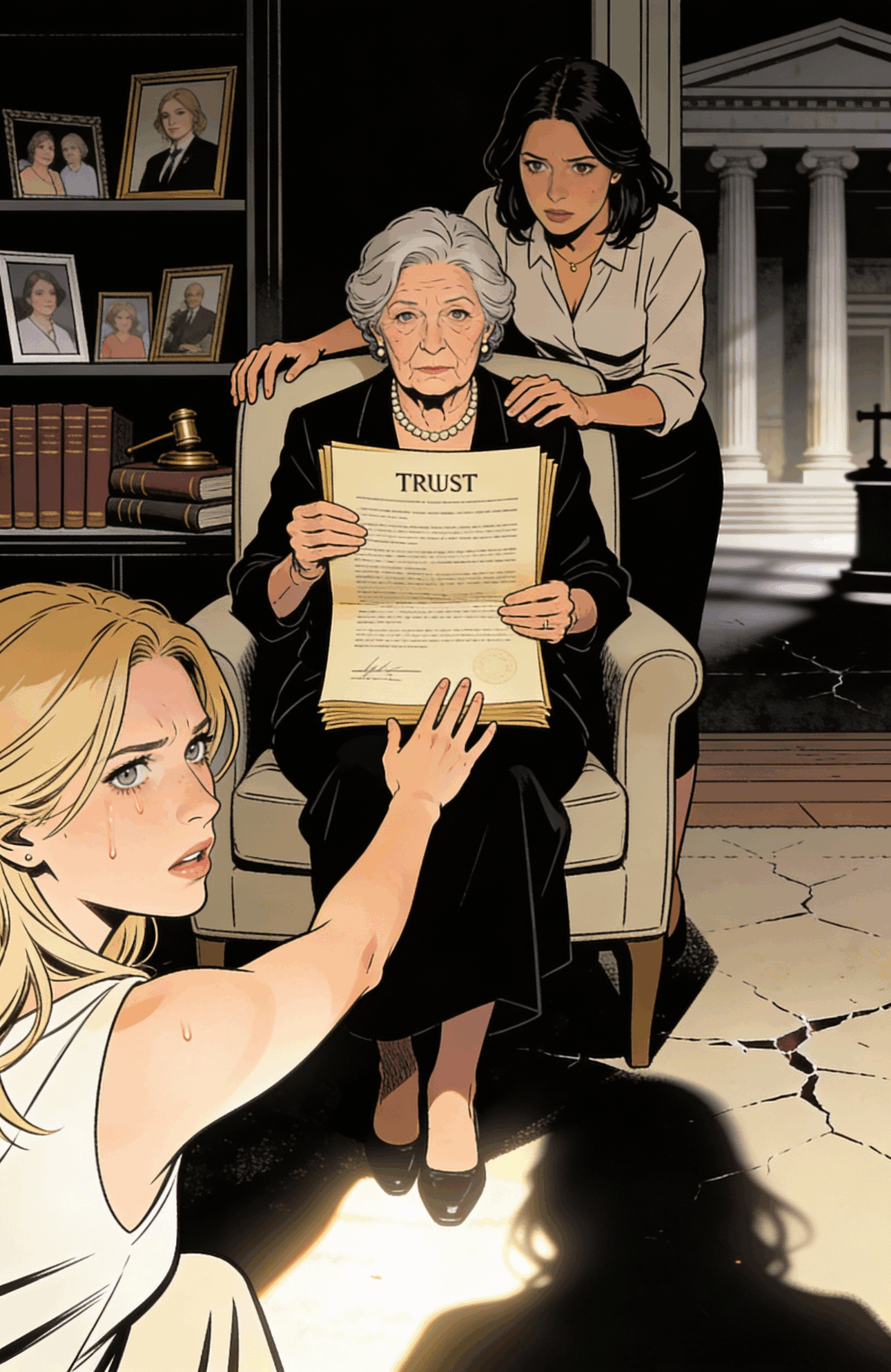
What California Families Must Know About Trust Contest Standing: Lessons from Barefoot v. Jennings
If you’re a California resident managing a trust dispute or concerned about protecting your family’s inheritance, understanding who has the legal right to challenge trust amendments can be critical. The California Supreme Court case Joan Mauri Barefoot v. Jana Susan Jenningsprovides essential guidance on “standing” in trust contests—a legal concept that determines whether you can even bring your case to court.
Who This Article Is For
This information is designed for California residents and trustees who are:
The Core Legal Principle: What Is “Standing” in Trust Contests?
To challenge a trust or trust amendment in California, you must have “standing”—meaning you must be an “interested person” who would directly benefit if your challenge succeeds.This isn’t just a technicality; it’s the foundation that determines whether a court will even hear your case.
What Happened in the Barefoot Case?
Marie Barefoot created a trust that originally distributed her estate equally among her three children.Before her death in 2010, she amended the trust multiple times to leave everything to her youngest daughter, Jana Susan Jennings, as the sole beneficiary.
After Marie’s death, her daughter Joan contested these amendments.Here’s what unfolded:
Why the Court Said Joan Had Standing
The California Supreme Court clarified that Joan had standing under Probate Code section 17200(a) because she would have received property from the trust if her petition had been successful.The key factor: she could directly benefit from the relief she requested.
Joan’s attempt to claim “after-discovered evidence of lack of standing” was rejected because she had already conceded she had standing when filing the original petition.The court found her petition for review was improperly framed and denied it.
What This Means for Your Family Trust
This ruling reinforces several practical realities for California families:
Common Questions California Families Ask About Trust Contests
Can I challenge my parent’s trust amendments after they pass away?
Yes, if you are an “interested person” who would benefit from the trust under an earlier version or if the amendments were invalid. However, you must demonstrate that you have standing by showing direct financial benefit from your challenge.
What happens if the trust has a no contest clause?
No contest clauses can disqualify beneficiaries who unsuccessfully challenge trust provisions. In the Barefoot case, the original clause was removed, but if it had remained, Joan could have lost her entire inheritance by contesting the amendments.
How much does it cost to contest a trust in California?
Trust litigation can be expensive. In this case, the Court of Appeal imposed $95,000 in sanctions against Joan—a reminder that unsuccessful challenges can result in significant financial consequences.
Protecting Your Family’s Legacy: Why Proper Estate Planning Matters
The Barefoot case demonstrates why clear, well-documented estate planning is essential for California families. Ambiguous trust amendments, removed no contest clauses, and contested beneficiary designations can tear families apart and drain estate assets through costly litigation.
How California Probate & Trust, PC Can Help
Whether you’re creating an estate plan to protect your family or facing a trust dispute, California Probate & Trust, PC provides comprehensive legal guidance tailored to California residents. Our experienced attorneys help with:
We’ve represented thousands of clients from our offices in Sacramento, Fair Oaks, and San Francisco, offering transparent pricing and compassionate guidance through every step of the estate planning and trust administration process.
Take Action to Protect Your Family’s Future
Don’t wait until a trust dispute arises. Schedule a free consultation with California Probate & Trust, PC to review your estate plan, discuss your family dynamics, and ensure your wishes are clearly documented and legally enforceable.
Contact us today:
Case Reference
Legal Disclaimer
This article is provided for informational purposes only and does not constitute legal advice. The information presented is based on a specific California Supreme Court case and general legal principles, but every trust dispute involves unique facts and circumstances. Reading this article does not create an attorney-client relationship. For specific legal advice regarding your trust, estate planning needs, or potential trust contest, please consult with a qualified California estate planning attorney. Laws and court interpretations may change over time. California Probate & Trust, PC offers free consultations to discuss your individual situation.

About the Author: Dustin MacFarlane, Esq.
California Licensed Attorney | Estate Planning Specialist
Dustin MacFarlane is the founder of California Probate and Trust, PC, with over 15 years of experience in estate planning, probate administration, and trust law. Licensed by the California State Bar, Dustin has helped thousands of California families protect their assets and plan for the future.
CA Bar License: Active | Practice Areas: Estate Planning, Probate, Trust Administration | Location: Granite Bay, CA