
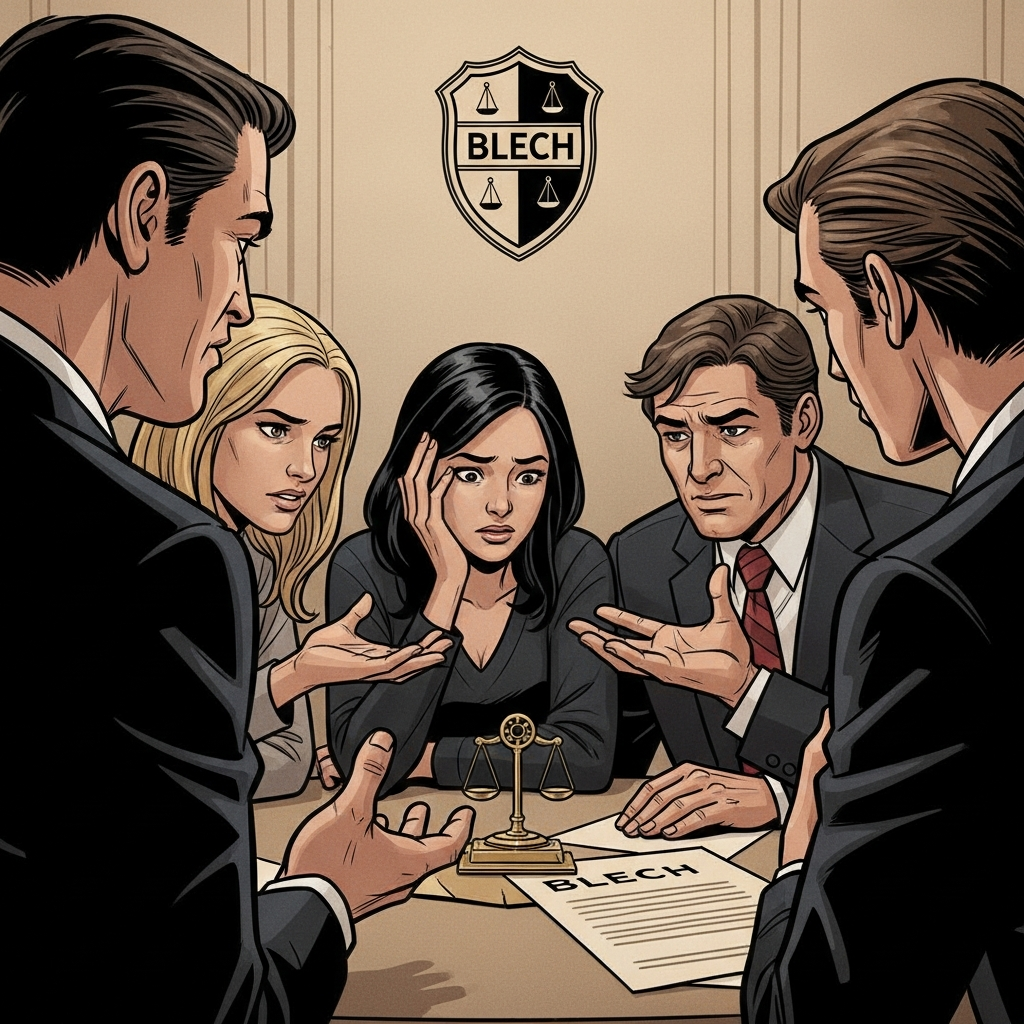
California Legal Implications: The Critical Importance of Clarity in California Trusts
A recent California appellate court decision, *Blech v. Blech*, serves as a powerful cautionary tale about the high stakes of ambiguous language in estate planning documents. According to the court opinion published in the Second District Court of Appeal, a family dispute arose from a trust after a major asset, a ranch, appreciated significantly in value after the creator’s death. The conflict centered on how the proceeds and the resulting $2.3 million tax bill should be allocated among the beneficiaries. One son, Raymond, believed he was entitled to the full net proceeds from the ranch sale in addition to his 35% share of the trust. The trustee, and ultimately the court, disagreed. The court found that the trust document intended for the ranch to be a funding source for the son’s percentage share of the trust residue, not a separate, specific gift., a family dispute arose from a trust after a major asset, a ranch, appreciated significantly in value after the creator’s death. The conflict centered on how the proceeds and the resulting $2.3 million tax bill should be allocated among the beneficiaries. One son, Raymond, believed he was entitled to the full net proceeds from the ranch sale in addition to his 35% share of the trust. The trustee, and ultimately the court, disagreed. The court found that the trust document intended for the ranch to be a funding source for the son’s percentage share of the trust residue, not a separate, specific gift.
This case underscores why precision and clarity are paramount in California estate planning. For families in California, this legal battle highlights several critical lessons about drafting a revocable living trust..
Specific Gifts vs. Residual Gifts: A Costly Distinction
The core of the Blech family dispute was whether the gift of the ranch was a specific gift or part of a residual gift. Understanding this distinction is essential for anyone creating a trust.. Understanding this distinction is essential for anyone creating a trust.
* Specific Gift: This is a gift of a particular, identifiable piece of property. For example, “I give my home located at 123 Oak Street, Anytown, CA to my daughter, Jane.” The beneficiary receives that exact asset, regardless of its value relative to the rest of the estate.
* Residual Gift: This is a gift of all or a portion of what remains in the trust estate after all specific gifts, debts, taxes, and administrative expenses have been paid. For example, “I give the rest, residue, and remainder of my trust estate in equal shares to my children.”: This is a gift of all or a portion of what remains in the trust estate after all specific gifts, debts, taxes, and administrative expenses have been paid. For example, “I give the rest, residue, and remainder of my trust estate in equal shares to my children.”
In the Blech case, Raymond argued the gift of the ranch was specific. The court, however, interpreted the trust’s overall structure to mean the ranch was simply the designated asset to help fund his 35% share of the trust’s residue. This misinterpretation by the beneficiary led to expensive and divisive litigation. A well-drafted trust would have used unambiguous language to define the nature of the gift, potentially avoiding the conflict entirely.
The Power of a Clear Tax Apportionment Clause
Another key takeaway is the importance of tax allocation. The Blech trust contained a clear provision stating that any income tax liability of a subtrust was to be paid by that subtrust’s beneficiary. Because of this clause, the court had no trouble affirming that Raymond was solely responsible for the $2.3 million in capital gains taxes generated by the sale of the ranch allocated to his share.
Without such a clause, state and federal laws provide default rules for how taxes are paid, which may not align with the trust creator’s wishes. By including a specific tax apportionment clause, you retain control and direct your trustee on how the tax burden should be shared among beneficiaries. This can prevent disputes over whether taxes should be paid from a specific gift or from the trust’s residue., you retain control and direct your trustee on how the tax burden should be shared among beneficiaries. This can prevent disputes over whether taxes should be paid from a specific gift or from the trust’s residue.
The Trustee’s Duty to Interpret and Act
The trustee in this case fulfilled their fiduciary duty by interpreting the trust document as a whole and making allocations they believed were consistent with the creator’s intent. The court’s decision to uphold the trustee’s accounting affirms the critical role a trustee plays in administering an estate. Choosing a trustee who is capable, trustworthy, and able to make difficult decisions is one of the most important aspects of creating a trust. It is also vital that the trust document gives them clear, unambiguous instructions to follow. by interpreting the trust document as a whole and making allocations they believed were consistent with the creator’s intent. The court’s decision to uphold the trustee’s accounting affirms the critical role a trustee plays in administering an estate. Choosing a trustee who is capable, trustworthy, and able to make difficult decisions is one of the most important aspects of creating a trust. It is also vital that the trust document gives them clear, unambiguous instructions to follow.
The *Blech v. Blech* case is a stark reminder that the words used in an estate plan matter immensely. Ambiguity creates conflict, and family disputes can deplete assets and destroy relationships. Working with an experienced California estate planning attorney can help ensure your wishes are documented with the legal precision necessary to protect your assets and your loved ones.
About This Case
Source: Blech v. Blech (B268326) Court of Appeal of California, Second Appellate District, Division Three
California Probate and Trust, PC Can Help
– Free consultations: (866)-674-1130
– Experienced California estate planning
– Schedule consultation
– Learn more: cpt.law
– Free consultations: (866)-674-1130
– Experienced California estate planning
– Schedule consultation
– Learn more: cpt.law
Legal Disclaimer
This article is for informational purposes only. Consult with a qualified California estate planning attorney for advice specific to your situation.

About the Author: Dustin MacFarlane, Esq.
California Licensed Attorney | Estate Planning Specialist
Dustin MacFarlane is the founder of California Probate and Trust, PC, with over 15 years of experience in estate planning, probate administration, and trust law. Licensed by the California State Bar, Dustin has helped thousands of California families protect their assets and plan for the future.
CA Bar License: Active | Practice Areas: Estate Planning, Probate, Trust Administration | Location: Granite Bay, CA