
California Legal Implications: Balancing Retirement Spending and Inheritance Expectations
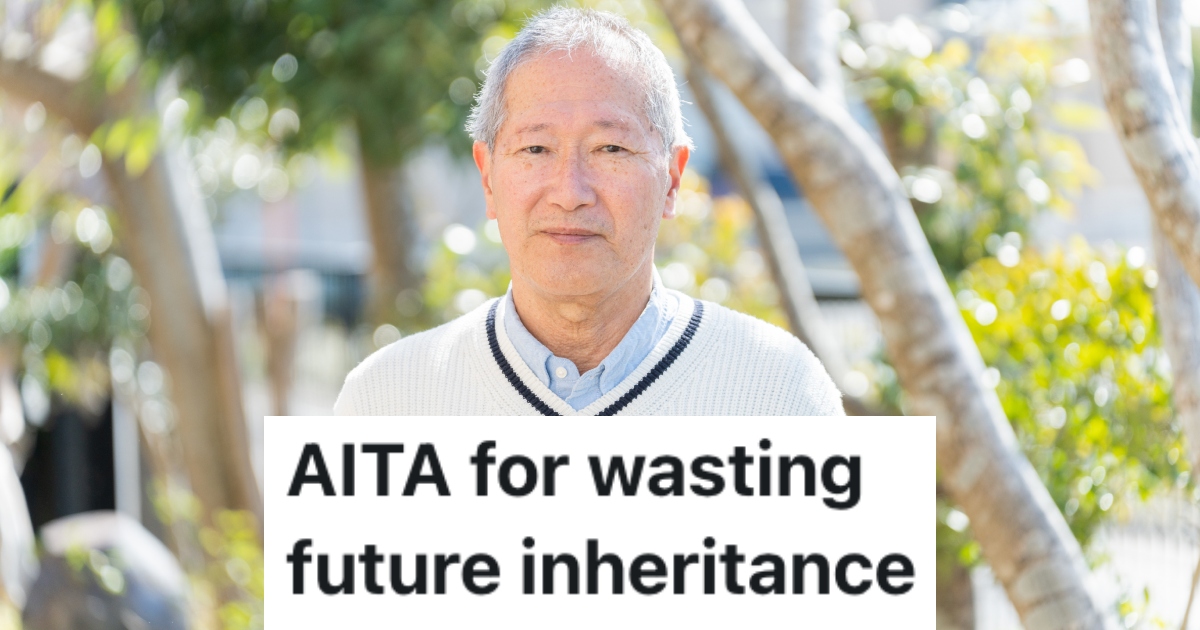
A recent family conflict highlights a common source of tension in estate planning: the rights of a parent to spend their assets versus the expectations of adult children waiting for an inheritance. As detailed in a story from TwistedSifter, a father diagnosed with cancer decided to use his retirement funds to enjoy his remaining time, purchasing an electric bike and a Porsche. While one son encouraged this spending, the daughter—who faces financial instability—argued that he was “wasting” her future inheritance., a father diagnosed with cancer decided to use his retirement funds to enjoy his remaining time, purchasing an electric bike and a Porsche. While one son encouraged this spending, the daughter—who faces financial instability—argued that he was “wasting” her future inheritance.
This scenario transitions directly into critical lessons for California families. It raises important legal questions regarding the rights of the Grantor (the person who creates the estate plan), the definition of capacity, and how to handle beneficiaries who rely on potential inheritances for their livelihood. (the person who creates the estate plan), the definition of capacity, and how to handle beneficiaries who rely on potential inheritances for their livelihood.
The Legal Right to Spend Assets
Under California law, a parent generally has no legal obligation to preserve their estate for their adult children. As long as the individual retains mental capacity, they have the absolute right to spend, gift, or use their assets as they see fit during their lifetime., they have the absolute right to spend, gift, or use their assets as they see fit during their lifetime.
Beneficiaries often mistakenly believe they have a vested interest in a parent’s property while the parent is still alive. However, with a Revocable Living Trust, the Grantor typically acts as their own trustee, retaining full control to buy, sell, or deplete assets for their own benefit. The “inheritance” is merely an expectancy—it only exists if assets remain upon the Grantor’s passing., the Grantor typically acts as their own trustee, retaining full control to buy, sell, or deplete assets for their own benefit. The “inheritance” is merely an expectancy—it only exists if assets remain upon the Grantor’s passing.
Undue Influence and Capacity Risks
In the news story, the son mentions he is “pushing” his father to buy expensive items like a Porsche. While this appears to be a gesture of love, in a legal context, it could open the door to claims of undue influence, especially if the father’s health declines., especially if the father’s health declines.
If the daughter decides to contest the estate later, she might argue that the father was vulnerable due to his illness and that the son manipulated his financial decisions. To prevent such litigation, California estate planning attorneys often recommend:
– Certificates of Independent Review: If a major gift or change in estate distribution occurs.
– Capacity Declarations: Documenting that the senior is of sound mind when making significant financial decisions.: Documenting that the senior is of sound mind when making significant financial decisions.
Planning for Financially Instable Beneficiaries
The daughter in the story relies on alimony and child support and views the inheritance as her financial safety net. When a beneficiary is unable to manage money or faces creditor issues, leaving them a lump-sum inheritance (if any remains) can be risky.
California residents in similar situations can utilize a Spendthrift Trust. This provision allows the inheritance to be held in trust and distributed in small increments or paid directly to third parties (like landlords) for the beneficiary’s benefit. This protects the assets from:
– The beneficiary’s poor spending habits
– Creditors and lawsuits
– Divorce settlements. This provision allows the inheritance to be held in trust and distributed in small increments or paid directly to third parties (like landlords) for the beneficiary’s benefit. This protects the assets from:
– The beneficiary’s poor spending habits
– Creditors and lawsuits
– Divorce settlements
Communication and No Contest Clauses
Disputes over spending often lead to disputes over the final Will or Trust. To protect the estate plan from litigation, California law allows for No Contest Clauses. If a beneficiary challenges the validity of the trust without probable cause and loses, they may be disinherited entirely.. If a beneficiary challenges the validity of the trust without probable cause and loses, they may be disinherited entirely.
While a parent has the right to spend their money, communicating these intentions clearly—or formalizing them in an updated estate plan—can help manage expectations and reduce the likelihood of probate litigation among siblings.
About This Case
California Probate and Trust, PC Can Help
– Free consultations: (866)-674-1130
– Experienced California estate planning
– Schedule consultation
– Learn more: cpt.law
Legal Disclaimer
This article is for informational purposes only. Consult with a qualified California estate planning attorney for advice specific to your situation.

About the Author: Dustin MacFarlane, Esq.
California Licensed Attorney | Estate Planning Specialist
Dustin MacFarlane is the founder of California Probate and Trust, PC, with over 15 years of experience in estate planning, probate administration, and trust law. Licensed by the California State Bar, Dustin has helped thousands of California families protect their assets and plan for the future.
CA Bar License: Active | Practice Areas: Estate Planning, Probate, Trust Administration | Location: Granite Bay, CA