
California Legal Implications: The Importance of Restrictions and Oversight in Trusts
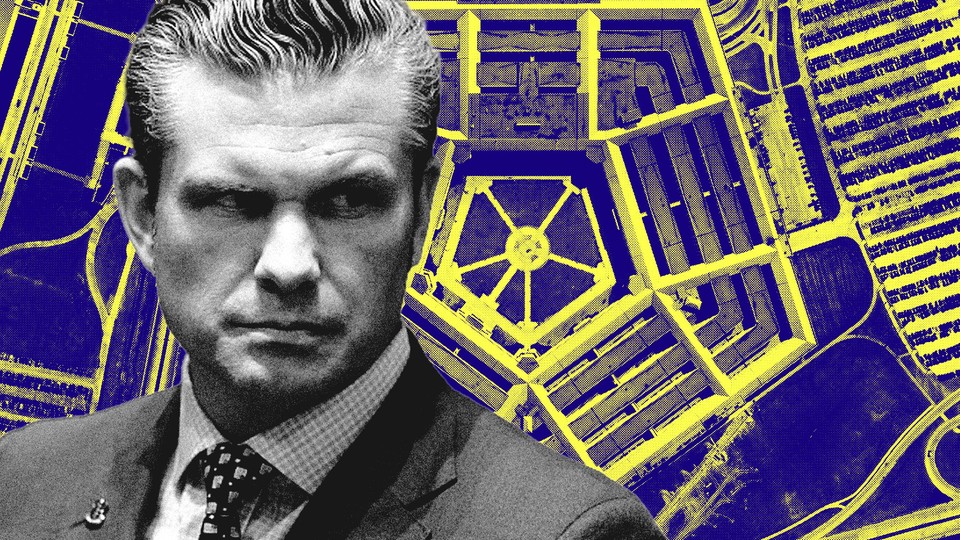
A recent conflict regarding the deployment of Artificial Intelligence offers a compelling metaphor for California estate planning: the necessity of “guardrails.” As reported by The Atlantic, a standoff occurred between the Department of Defense and AI company Anthropic. The Pentagon demanded the removal of safety protocols from AI models to allow “all lawful uses,” while Anthropic refused, citing the risks of mass surveillance and the unpredictable nature of autonomous systems without human oversight., a standoff occurred between the Department of Defense and AI company Anthropic. The Pentagon demanded the removal of safety protocols from AI models to allow “all lawful uses,” while Anthropic refused, citing the risks of mass surveillance and the unpredictable nature of autonomous systems without human oversight.
While this news story concerns national security and technology, the core concept—that powerful assets require strict governance, oversight, and limitations to prevent misuse—is the foundation of effective Trust administration in California. Just as Anthropic argues that ungoverned AI can lead to unintended and disastrous consequences, a California estate left without a comprehensive Trust can lead to family conflict, asset waste, and legal battles.
Defining ‘Guardrails’ in California Trusts
In the context of the Anthropic news, “guardrails” refer to software restrictions that prevent AI from performing harmful tasks. In estate planning, your Revocable Living Trust serves a similar function. It acts as the “source code” for how your assets are managed during your lifetime and distributed after your death.
Without a Trust, your estate is subject to California’s intestate succession laws, which distribute assets automatically to next of kin without regard for their maturity, financial stability, or special needs. By creating a Trust, you install necessary guardrails, such as:
* Spendthrift Clauses: These provisions protect a beneficiary’s inheritance from their own creditors or poor spending habits.
* Age-Based Distributions: Rather than giving an 18-year-old a lump sum, a Trust can stagger distributions (e.g., at ages 25, 30, and 35) to ensure maturity.
* Sub-Trusts for Special Needs: These ensure that an inheritance does not disqualify a beneficiary from receiving essential government benefits. These ensure that an inheritance does not disqualify a beneficiary from receiving essential government benefits.
The ‘Human in the Loop’: Trustee Selection and Powers of Attorney
Anthropic’s hesitation to allow fully autonomous weapons stems from the belief that AI is not yet reliable enough to operate without a “human in the loop.” Similarly, relying on informal agreements or failing to update estate documents removes the “human” element of legal authority when it is needed most.
If you become incapacitated due to illness or injury, a Durable Power of Attorney ensures that a trusted agent—a human you selected—can step in to manage your finances. Without this document, your family may be forced to petition the court for a Conservatorship, a costly and public process where a judge decides who controls your assets. ensures that a trusted agent—a human you selected—can step in to manage your finances. Without this document, your family may be forced to petition the court for a Conservatorship, a costly and public process where a judge decides who controls your assets.
Furthermore, selecting a Trustee is akin to choosing who holds the “override codes” for your estate. California law requires fiduciaries to act in the best interest of beneficiaries, but the specific powers granted to them are defined by the Trust instrument. A well-drafted Trust ensures your Successor Trustee has the authority to manage digital assets, real estate, and investments while adhering to your specific moral or financial instructions.
Managing Digital Assets and ‘Black Box’ Risks
The news report highlights that even AI creators do not fully understand the “black box” nature of how these models evolve. In modern estate planning, digital assets (cryptocurrency, online accounts, intellectual property) can become a “black box” for executors if proper access is not granted.
Under California’s *Revised Uniform Fiduciary Access to Digital Assets Act* (RUFADAA), simply having a password is not always legally sufficient for an executor to manage a deceased person’s digital property. Your estate plan must explicitly grant your fiduciary the authority to access, manage, or delete digital assets to prevent them from being locked away permanently or managed contrary to your wishes.
About This Case
Source: The Real Reason Anthropic Wants Guardrails – The Atlantic
California Probate and Trust, PC Can Help
Ensuring your legacy has the proper guardrails requires experienced legal guidance. We assist California families in drafting comprehensive Trusts that protect assets and provide clear instructions for the future.
– Free consultations: (866)-674-1130
– Experienced California estate planning
– Schedule consultation
– Learn more: cpt.law
Legal Disclaimer
This article is for informational purposes only. Consult with a qualified California estate planning attorney for advice specific to your situation.
Why Estate Planning Matters in California
California has unique estate planning laws that differ significantly from other states. Without proper planning, your assets may not pass according to your wishes, and your family could face unnecessary probate court proceedings.
A comprehensive California estate plan typically includes:
- A revocable living trust to avoid probate
- Pour-over will as a safety net
- Advance health care directive
How Trusts Work in California
California’s trust law (Probate Code Division 9) governs how trusts are created, administered, and terminated. Understanding these rules is essential for effective estate planning.
Key benefits of California trusts:
- Avoid probate: Assets in a properly funded trust bypass California’s lengthy probate process
- Privacy: Unlike wills (which become public in probate), trusts remain private
- Control: You maintain control during your lifetime and direct distribution after death
Need Expert Estate Planning Guidance?
California estate planning law is complex and constantly evolving. Don’t navigate it alone.
California Probate and Trust, PC has helped thousands of California families protect their assets and plan for the future.
📞 Call us today:
- Main Office: 866-400-0058
- Direct: 916-963-9968

About the Author: Dustin MacFarlane, Esq.
California Licensed Attorney | Estate Planning Specialist
Dustin MacFarlane is the founder of California Probate and Trust, PC, with over 15 years of experience in estate planning, probate administration, and trust law. Licensed by the California State Bar, Dustin has helped thousands of California families protect their assets and plan for the future.
CA Bar License: Active | Practice Areas: Estate Planning, Probate, Trust Administration | Location: Granite Bay, CA